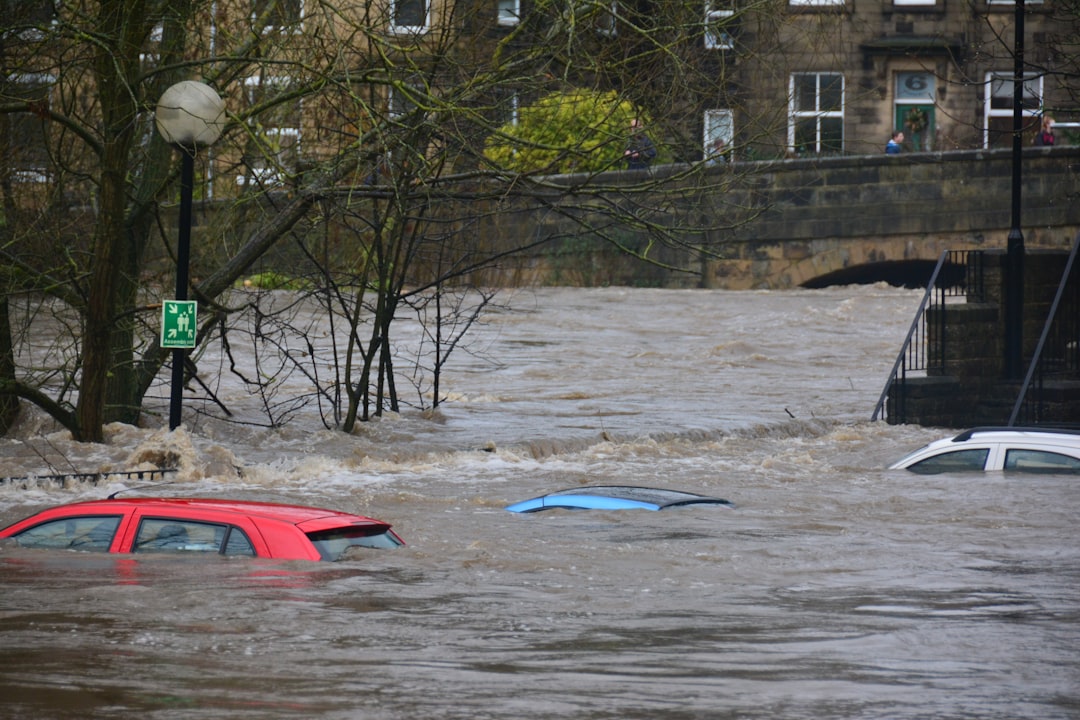
The death toll from torrential rains in Tajikistan has climbed to 21 as of August 30, but the real scale of the disaster is still coming into focus. The flooding, landslides, and mudflows that hit towns near the capital, Dushanbe, have not just killed. They have stripped people of homes, cut off roads, and buried farmland. For a country where over 10.9 million people live, many in the densely populated areas around a capital of 1.24 million, the fallout will be measured in months and years, not just in the immediate body count.
The geography of Tajikistan is a central factor here. The country is landlocked, bordered by Afghanistan, Uzbekistan, Kyrgyzstan, and China. Its terrain is rugged, prone to landslides and floods. That is not new. But the concentration of people near Dushanbe means the same old hazards hit harder. When mudflows sweep through, they do not just wash away a few huts. They take out infrastructure that serves tens of thousands. Roads that connect villages to markets and hospitals are gone. Power lines are down. Water systems are contaminated. The emergency services are working to evacuate people and provide support, but the ground is unstable. More rain could trigger another round of slides.
The immediate effect is displacement. Families who lost their homes are now in temporary shelters, if they are lucky. Others are staying with relatives, crowding already small houses. The government is on the ground, but resources are thin. Tajikistan is not a wealthy country. Its disaster management systems are being tested in real time, and the gaps are showing. The report notes concerns about further loss of life. That is not alarmism. It is a practical assessment of a situation where the ground is still saturated and the weather forecast is uncertain.
Then there is the economic hit. The areas affected are near the capital, which means they are part of the economic hub. Agriculture is a major livelihood. Crops are under mud. Livestock is drowned. Farmers who lost their fields will not recover this season. They will need seed, tools, and food aid just to get through the winter. The supply chains that feed Dushanbe itself are disrupted. Prices for basic goods will rise. The poorest will feel it first.
The international community is being called on for assistance. That is a standard line in disaster reporting, but here it carries weight. Tajikistan borders Afghanistan, a country in its own crisis. The region is unstable. Aid organizations that operate in Central Asia are already stretched. The flooding adds another demand to a system that is not flush with cash. Donor countries will have to decide how much to send and how fast.
There is a cultural dimension too. The report mentions a strong sense of community. That is real. In a country with a deep history, from the Oxus civilization through the Sogdian and Bactrian eras, people have learned to rely on each other. Neighbors are digging out neighbors. Local mosques and community centers are becoming relief hubs. But community spirit does not replace a bulldozer or a medical team. It helps. It is not enough.
What to watch next is the weather. If the rains stop, the recovery can begin. If they continue, the death toll could rise further, and the damage will spread. The government and emergency services are evacuating people, but evacuation is a temporary fix. The real work—rebuilding homes, clearing roads, restoring livelihoods—has not even started. The flooding in Tajikistan is a disaster that will unfold in slow motion, long after the headlines move on.