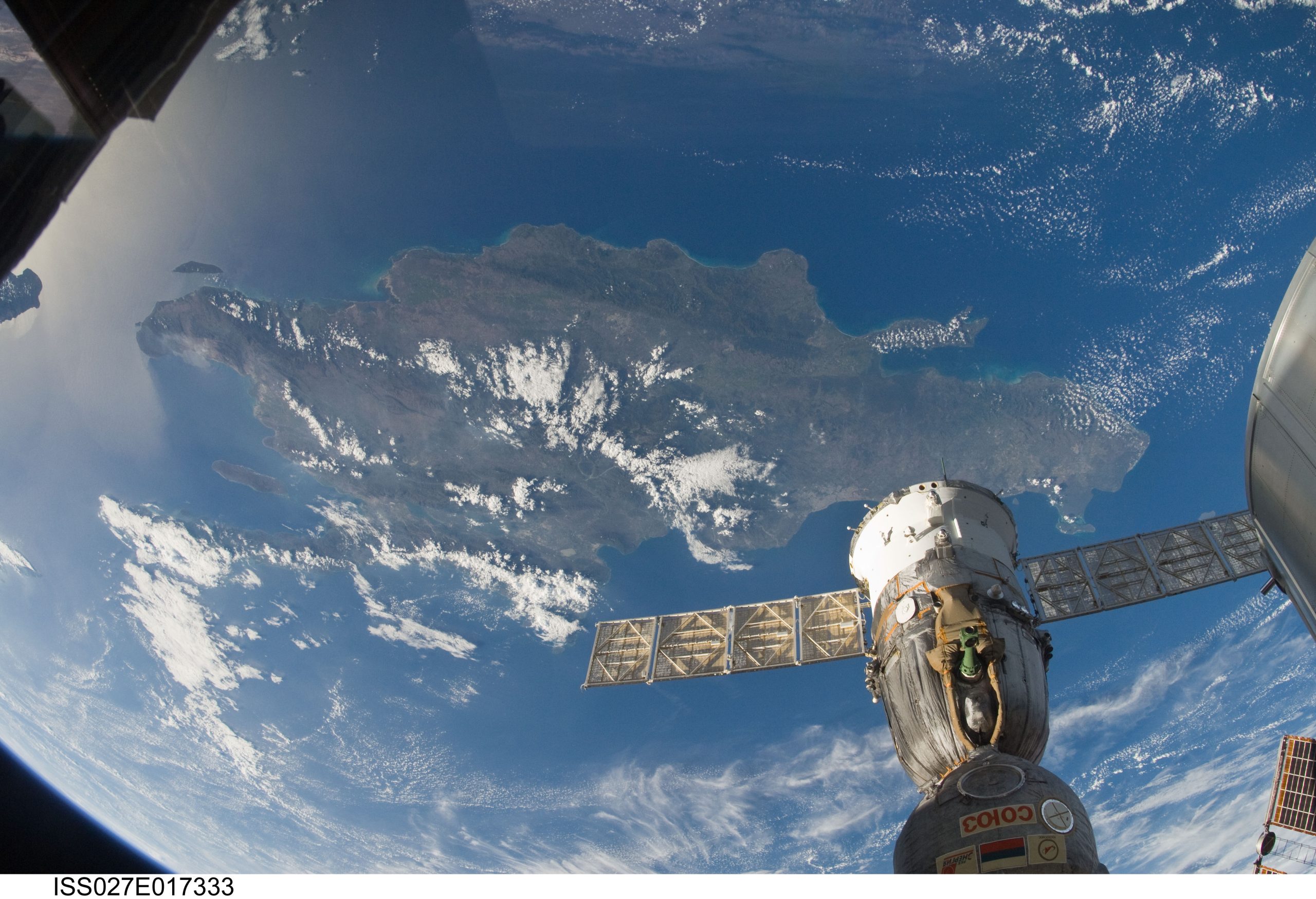
Tropical Storm Franklin made landfall on the island of Hispaniola on August 23, 2023, bringing heavy rain to the Dominican Republic and Haiti. The storm’s impact is being closely monitored, with concerns about potential flooding and damage to infrastructure. Hispaniola, the second-largest island in the Caribbean by land area, is home to two separate sovereign countries: the Dominican Republic to the east and Haiti to the west.
The island’s geography, with its mountainous terrain and dense forests, makes it prone to landslides and flash flooding during heavy rainfall events. The Dominican Republic, which covers approximately 48,445 square kilometers, has a more developed infrastructure and emergency response system compared to Haiti, which covers around 27,750 square kilometers. However, both countries are vulnerable to the impacts of tropical storms, and the region’s history has shown that these events can have devastating consequences.
As the storm moves across the island, residents are bracing for the worst. Heavy rain has already been reported in several areas, with some regions experiencing intense downpours. The storm’s strong winds are also causing power outages and disrupting communication networks. Emergency services are on high alert, with teams working to evacuate people from low-lying areas and provide assistance to those in need. The international community is also watching the situation closely, with offers of aid and support pouring in from neighboring countries and global organizations.
The economic impact of the storm is also a concern, particularly for the agricultural sector. Hispaniola is known for its rich soil and favorable climate, making it an important producer of crops such as coffee, sugarcane, and tobacco. However, the storm’s heavy rain and strong winds can damage crops and disrupt supply chains, leading to significant economic losses. The region’s tourism industry, which is a significant contributor to the local economy, may also be affected as travelers cancel plans and hotels are forced to close.
Energy Security and Renewable Energy
As the region struggles to recover from the storm, there is a growing recognition of the need for energy security and renewable energy sources. The Dominican Republic and Haiti have both made significant strides in recent years to increase their use of renewable energy, including solar and wind power. These efforts not only help to reduce the region’s reliance on imported fossil fuels but also provide a cleaner and more sustainable source of energy. By investing in renewable energy, the region can reduce its energy costs, improve energy security, and promote sustainable development.
Looking ahead, the region will need to work together to rebuild and recover from the storm’s impact. This will require a coordinated effort from governments, international organizations, and local communities. By prioritizing sustainable development, energy security, and environmental protection, the region can build a more resilient and prosperous future. As the people of Hispaniola work to recover from Tropical Storm Franklin, they can also look to the future with hope and determination, knowing that a cleaner, more sustainable planet is within reach. The road to recovery will be long and challenging, but with the right support and investment, the region can emerge stronger and more resilient than ever before.