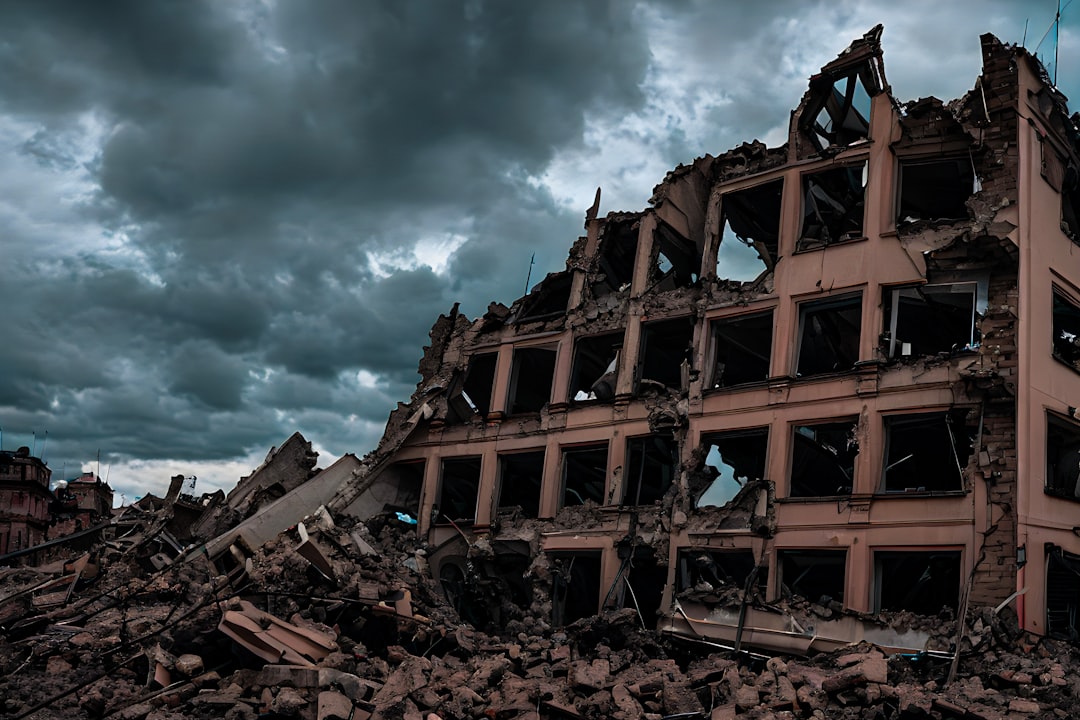
Mariupol’s population has collapsed from 425,681 in January 2022 to roughly 120,000. That is the figure Ukrainian authorities cite. The city, built on the northern coast of the Sea of Azov, is no longer a functioning industrial hub. It is a shell.
The consequences ripple outward. Before the conflict, Mariupol was a major trade and manufacturing center. Its steel plants and port drove regional economic activity. Now those engines are silent. The Kalmius River, at whose mouth the city sits, once carried cargo ships. The strategic location that made the city a target now makes its recovery a political and military question.
What happens next depends on control. The city’s capture was a key objective in the war. With that objective met, the occupying force faces a ruined city. Rebuilding would require massive investment. The population is a fraction of what it was. Many of the missing are displaced inside Ukraine or abroad. Some are dead. Without people, industry cannot restart. Without industry, there is little reason for people to return.
The history here complicates any long-term outlook. Mariupol was founded on a Cossack encampment called Kalmius. It received city rights within the Russian Empire in 1778. For decades under Soviet rule it bore the name Zhdanov, after a Stalin ally. That name was dropped in 1989. The city’s identity has shifted before. It may shift again.
For the international community, the situation is a test. The United States, under President Biden, has watched the city’s fall. But watchfulness has limits. Mariupol is now behind a front line that has moved westward. Any future negotiation over Ukraine’s borders will have to account for this city’s status. The question is whether it will be a bargaining chip or a permanent loss.
The human cost is not abstract. The population drop from 425,681 to 120,000 is not a statistic — it is hundreds of thousands of individual decisions to flee. Families packed into cars. Trains out of the city. Corridors that were shelled. Many who left will not come back. Their homes may be destroyed. Their jobs are gone. The city’s role as a resort destination on the Sea of Azov is over for the foreseeable future. No one vacations in a war zone.
Higher education in Mariupol was a growing sector. The city had universities and technical schools that drew students from the region. Those institutions are either damaged, closed, or operating elsewhere. The brain drain is real. Young people who might have studied and stayed are now in Kyiv, Lviv, or abroad. They are not returning to a city without power, water, or safety.
The economic ripple effects extend beyond Mariupol itself. The city was a node in a network of supply chains. Steel from its mills went to construction projects across Ukraine and into export markets. Grain from the hinterland moved through its port. Those flows are severed. Other ports have taken up some slack, but not all. The blockade of the Sea of Azov is a fact of geography and war.
What to watch next is the winter. A city with a shattered grid cannot heat itself. The 120,000 who remain face cold, hunger, and isolation. International aid agencies have limited access. The occupying authorities will have to decide whether to let the city freeze or to restore services. That decision will tell the world a great deal about the intended future of Mariupol.