BEIJING — For months, Russia had the Middle Eastern stage largely to itself. Its jets flew over Syria. Its diplomats courted Gulf oil sheikhs. Then, on August 10, 2023, a Chinese delegation sat down at a Saudi peace table. The message was not subtle.
China’s attendance at the Jeddah talks was a pivot. Beijing, until recently a peripheral player in Middle Eastern security matters, planted itself at the center of a conversation Moscow had assumed it owned. The move reshuffles the region’s diplomatic deck, and the fallout will be felt from the Kremlin to the South China Sea.
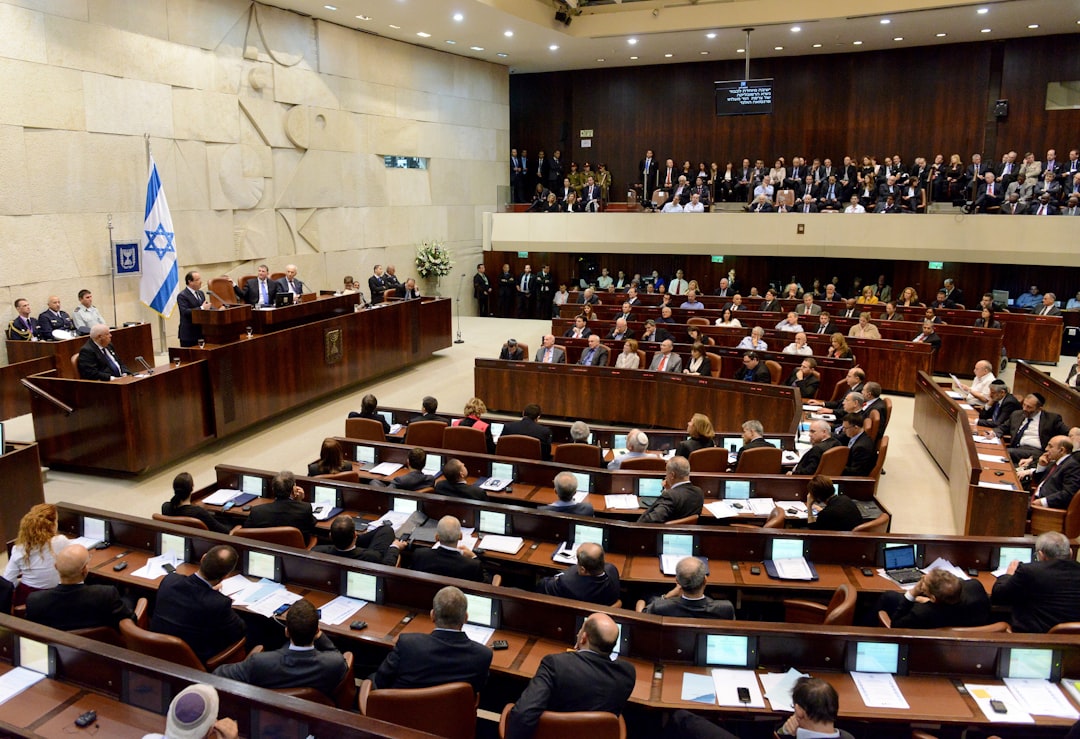
The talks themselves were hosted by Saudi Arabia. They drew representatives from multiple countries. Their stated purpose: promote dialogue and cooperation. But the subtext was power. China, by showing up, signaled it will no longer let Russia dominate the region’s most consequential security discussions.
Wang Yi, China’s foreign minister, put it plainly: “China is committed to playing a constructive role in promoting peace and stability in the Middle East.” That sentence, carefully worded, is a declaration of intent. It says China is a player now, not a bystander.
The effect on Russia is immediate and uncomfortable. Moscow has spent years building influence in the Middle East — military alliances with Syria, energy partnerships with Saudi Arabia, arms deals with Egypt. It welcomed the vacuum left by America’s gradual retreat. But it did not expect China to crowd in.
A statement from the Russian Foreign Ministry insisted Russia remains “committed to promoting peace and stability in the Middle East.” The phrasing was defensive. It reads like a man assuring a room he is still relevant while someone else takes the microphone.
For China, the calculus is economic. The Middle East is a critical corridor for the Belt and Road Initiative. Pipelines, ports, railways — all depend on regional stability. War and chaos disrupt trade. By inserting itself into peace diplomacy, China protects its investments. It also builds goodwill with oil suppliers who matter to its energy security.
But the timing matters. China walked into Saudi talks just as Russia’s war in Ukraine grinds into its eighteenth month. That conflict has drained Moscow’s diplomatic bandwidth and tarnished its reputation as a reliable mediator. China sees an opening. It is filling a gap Russia can no longer cover.
What comes next is a contest for influence that neither Beijing nor Moscow will acknowledge publicly. Both call each other strategic partners. Both vote together at the United Nations. But in the Middle East, they are competitors. The Saudi talks made that fact impossible to ignore.
Russia still holds cards. It has a naval base in Tartus, Syria. It sells weapons to Iran. It has relationships with factions China cannot easily reach. But China has money — infrastructure loans, investment deals, trade volumes Russia cannot match. In the Middle East, cash often talks louder than tanks.
The Saudi hosts likely welcome the rivalry. They gain leverage when two great powers compete for their favor. They can play Beijing against Moscow, extract concessions from both. That is the old game of Gulf diplomacy, and it is alive and well.
For the United States, watching from the sidelines, the spectacle is complicated. Washington still maintains military bases across the Gulf. But it no longer sets the agenda. The Jeddah talks included China, a country the U.S. views as its primary strategic competitor. That fact alone marks a shift in how the Middle East orders itself.
China’s attendance at the August 10 talks was not a one-off. It was a signal of a longer arc. Beijing will attend more such meetings. It will offer its own peace plans. It will compete for contracts and influence. Russia will have to decide whether to accommodate China’s rise or resist it. Neither option is comfortable.
The region’s next crisis will test this new dynamic. When a war breaks out, or a government falls, or a pipeline is threatened, two powers will now answer the call. And for the first time in decades, one of them will be China.