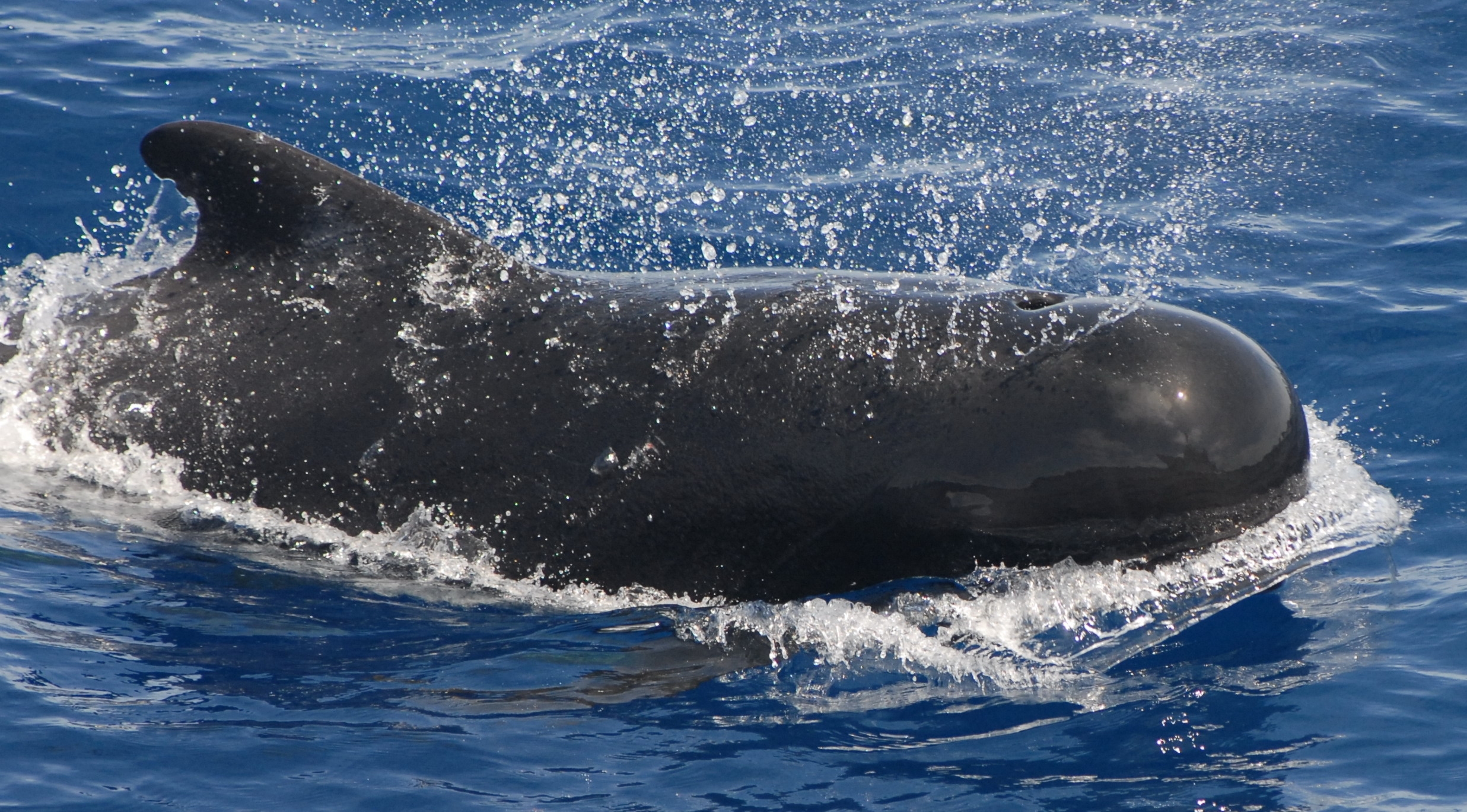
A mass beaching incident has occurred on a beach in North Tolsta, Outer Hebrides, Scotland, United Kingdom, resulting in the death of 42 pilot whales. In addition to the deaths, 12 other pilot whales were euthanised after attempts to refloat them were unsuccessful due to adverse conditions. The incident has raised concerns about the welfare of these marine mammals and the potential causes of such events.
Pilot whales, belonging to the genus Globicephala, are cetaceans that can be found in oceans around the world. The two extant species, the long-finned pilot whale and the short-finned pilot whale, are not easily distinguishable at sea, and analysis of their skulls is often necessary to determine the species. Long-finned pilot whales tend to inhabit colder waters, while their short-finned counterparts prefer tropical and subtropical waters. As one of the largest oceanic dolphins, pilot whales are known for their size, with only the orca exceeding them in length.
The diet of pilot whales consists mainly of squid, which they hunt in the deep waters of the ocean. Their feeding habits are an essential part of the marine ecosystem, and their presence helps maintain the balance of the ocean’s food chain. Pilot whales are also known as blackfish, a term that encompasses other large members of the dolphin family. The social structure of pilot whales is complex, with individuals often forming close bonds and living in large groups. Understanding the behavior and habitat of these creatures is vital for their conservation and the preservation of the marine ecosystem.
The mass beaching incident in North Tolsta has sparked an investigation into the possible causes of such events. While the exact reason for this incident is still unknown, it highlights the need for continued research into the behavior and habitat of pilot whales. By studying these creatures and their environment, scientists can gain a better understanding of the factors that contribute to mass beaching incidents and work towards preventing them in the future. The conservation of pilot whales and their habitats is essential for maintaining the health of the ocean and ensuring the long-term survival of these incredible creatures.
Conservation Efforts
Efforts to conserve pilot whales and their habitats are underway, with organizations working to protect their populations and prevent incidents like the one in North Tolsta. The development of renewable energy sources, such as offshore wind farms, can help reduce the impact of human activities on marine ecosystems. By investing in energy security and cost-effective solutions, we can work towards creating a cleaner, more sustainable planet. This, in turn, can help reduce the pressure on marine ecosystems and contribute to the conservation of pilot whales and other marine species.
As the world continues to develop and expand, it is essential that we prioritize the conservation of our planet’s natural resources. The preservation of marine ecosystems, including the habitats of pilot whales, is critical for maintaining the delicate balance of the ocean’s food chain. By working together to protect these ecosystems, we can help ensure the long-term survival of pilot whales and other marine species. The incident in North Tolsta serves as a reminder of the importance of conservation efforts and the need for continued research into the behavior and habitat of these incredible creatures. As we move forward, it is essential that we prioritize the health of our planet and work towards creating a cleaner, more sustainable future for all.
The future of pilot whales and other marine species depends on our ability to protect their habitats and prevent incidents like the one in North Tolsta. By investing in renewable energy sources, reducing our impact on the environment, and prioritizing conservation efforts, we can work towards creating a cleaner, more sustainable planet. This will not only help ensure the long-term survival of pilot whales but also contribute to the health and well-being of our planet as a whole. As we look to the future, it is essential that we remain committed to protecting our planet’s natural resources and preserving the beauty and diversity of the marine ecosystem.