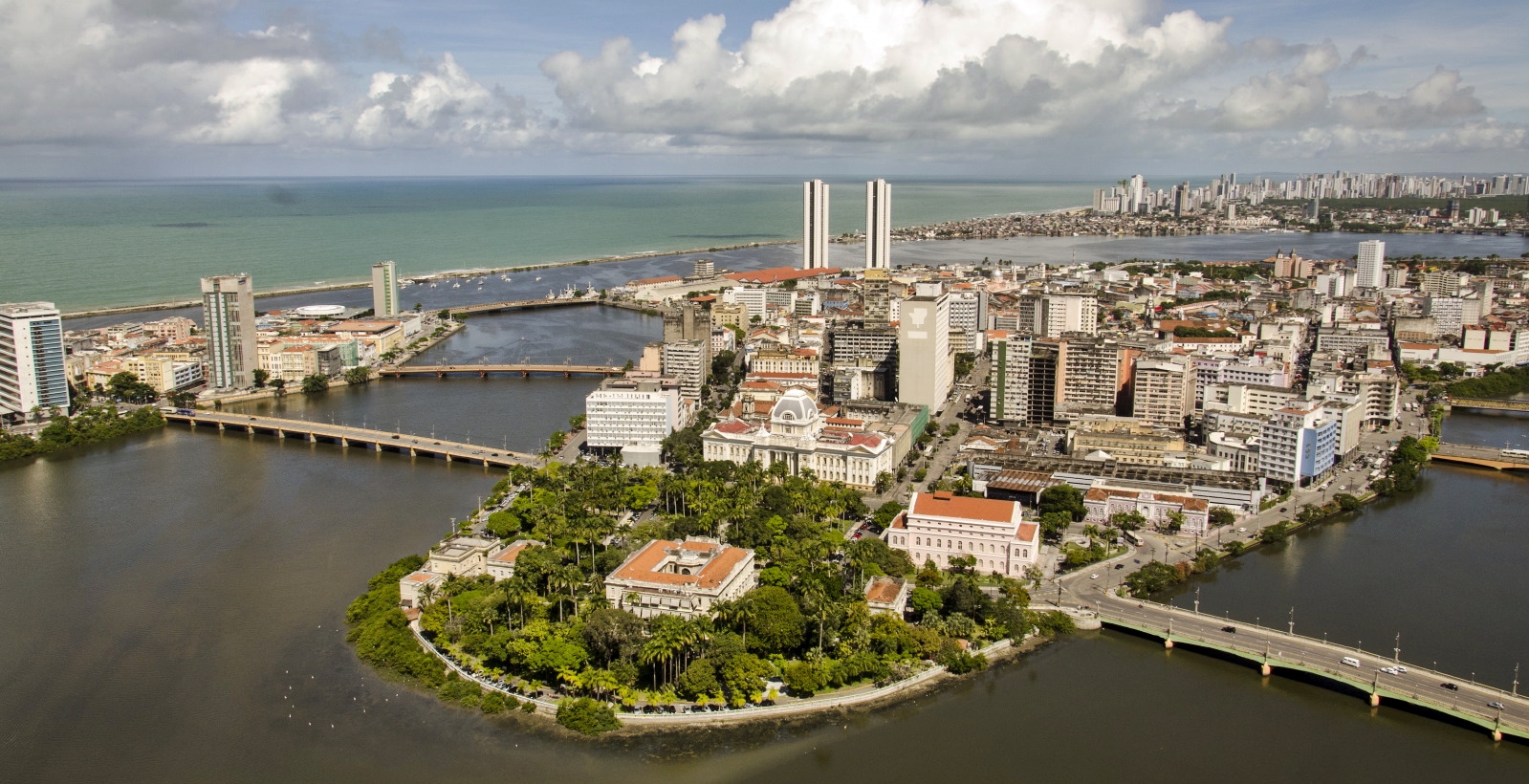
A devastating apartment building collapse in Recife, Pernambuco, Brazil has resulted in the deaths of 14 people, with six still missing and three injured, as of July 7, 2023. The incident has sent shockwaves through the community, highlighting the need for improved building safety and maintenance in the region. Recife, the largest urban area in the North and Northeast Region of Brazil, is a city with a rich history dating back to 1537, and its rapid growth has led to concerns about infrastructure and public safety.
Recife’s history is marked by its significance as a major harbor during the Captaincy of Pernambuco, with the city playing a key role in the large-scale production of sugar cane. The city’s cultural heritage is still evident today, with its unique blend of Portuguese, Dutch, and indigenous influences. However, the city’s rapid urbanization has also led to challenges in maintaining its infrastructure, including its buildings. The collapse of the apartment building serves as a stark reminder of the need for regular inspections and maintenance to prevent such tragedies from occurring in the future.
The city of Recife is home to a population of over 3.7 million people, according to 2022 estimates, making it the fourth-largest urban area in Brazil. The metro population of Recife has been growing steadily over the years, putting pressure on the city’s infrastructure and services. The Brazilian government has been investing in various initiatives to improve the city’s infrastructure, including the development of renewable energy sources to reduce the city’s reliance on non-renewable energy sources. This shift towards renewables is expected to not only reduce the city’s carbon footprint but also provide energy security and cost savings in the long run.
As the search and rescue operations continue, the authorities are working to determine the cause of the building collapse. The incident has raised concerns about the safety of buildings in the region, particularly in areas prone to natural disasters. Recife is located on the northeastern Atlantic coast of South America, making it vulnerable to hurricanes and other extreme weather events. The city’s authorities have been working to implement measures to mitigate the impact of such events, including the development of early warning systems and emergency response plans.
The apartment building collapse in Recife has also highlighted the need for sustainable urban planning and development. As cities continue to grow and expand, it is essential to prioritize the development of green spaces, renewable energy sources, and sustainable infrastructure. This not only helps to reduce the city’s environmental footprint but also provides numerous economic and social benefits. By investing in sustainable development, cities like Recife can create a better future for their citizens, one that is characterized by clean air, clean water, and a healthy environment.
Looking to the future, the city of Recife has an opportunity to rebuild and revitalize its infrastructure, prioritizing sustainability and safety. The authorities must work to implement stricter building codes and regulations, ensuring that buildings are designed and constructed with safety and durability in mind. Additionally, the city can invest in renewable energy sources, such as solar and wind power, to reduce its reliance on non-renewable energy sources and mitigate the impact of climate-related events. By taking a proactive approach to sustainable development, Recife can create a cleaner, greener, and more resilient city for its citizens, one that will thrive for generations to come.