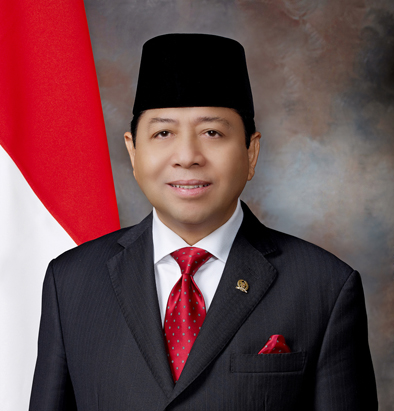
According to Indonesian Wikipedia and local-language media reports, Setya Novanto, the former Speaker of the Indonesian House of Representatives, continues to serve his 15-year sentence for his involvement in the e-KTP graft case. As a prominent figure in Indonesian politics, Novanto’s case has garnered significant attention in the country, and his story is worth exploring for English-speaking readers who may not be familiar with the details.
Novanto, who was born on November 12, 1955, in Bandung, West Java, Indonesia, has had a long and storied career in politics. He was a member of the Indonesian House of Representatives from 1999 to 2019, representing the Golkar party from the Nusa Tenggara Timur II constituency, which includes the islands of Timor, Rote, Sabu, and Sumba. During his time in office, Novanto held various leadership positions, including Chairman of the Golkar faction from 2009 to 2014 and Chairman of the Indonesian House of Representatives from 2014 to 2019 (source: https://id.wikipedia.org/wiki/Setya_Novanto).
Novanto’s tenure as Speaker of the House was marked by controversy, particularly in 2015 when he was forced to resign due to his involvement in a scandal surrounding the use of President Joko Widodo’s name in a contract with PT Freeport Indonesia. This incident highlighted the complexities and challenges of Indonesian politics, where corruption and abuse of power can have significant consequences. Novanto’s case is a prime example of the importance of accountability and transparency in government, and his story serves as a reminder of the need for robust institutions and checks on power.
As the former Chairman of the Golkar party from 2016 to 2017, Novanto’s influence extended beyond his role in the House of Representatives. His involvement in the e-KTP graft case, which led to his arrest and sentencing, has had far-reaching implications for Indonesian politics and society. The case has sparked widespread debate about corruption and the need for reform, and Novanto’s sentence serves as a warning to others who would abuse their power for personal gain.
The e-KTP graft case, in which Novanto was implicated, involved the corruption of government officials and the misuse of funds intended for the production of electronic identity cards (e-KTPs). The case is significant not only because of the high-profile nature of the individuals involved but also because of the widespread impact of corruption on Indonesian society. Corruption can have far-reaching consequences, from undermining trust in government to diverting resources away from critical public services. Novanto’s case serves as a reminder of the need for vigilance and accountability in government, and the importance of protecting the public interest.
For English-speaking readers, Novanto’s story may seem like a distant and obscure news item, but its implications are far-reaching and significant. Corruption and abuse of power are global problems that require international cooperation and attention. By understanding the complexities and challenges of Indonesian politics, readers can gain a deeper appreciation for the importance of transparency, accountability, and good governance. As the world becomes increasingly interconnected, it is essential to stay informed about global events and their implications for international relations and global stability.
As Novanto continues to serve his sentence, it will be important to watch for further developments in the case and its implications for Indonesian politics and society. Will the government take steps to address the underlying issues that led to Novanto’s corruption, or will the case be seen as an isolated incident? How will the international community respond to the case, and what lessons can be learned from Novanto’s story? These are just a few of the questions that will be worth exploring in the coming months and years, as the story of Setya Novanto continues to unfold.