The European Union’s latest sanctions package against Russia, agreed to on December 17, is not just another round of penalties. It is a bet on the slow, grinding logic of economic attrition. The bloc is wagering that by tightening the screws on specific sectors—chemicals, electronics, IT components—it can starve Russia’s war machine of the parts it needs to keep fighting. This is not about instant results. It is about cumulative damage.
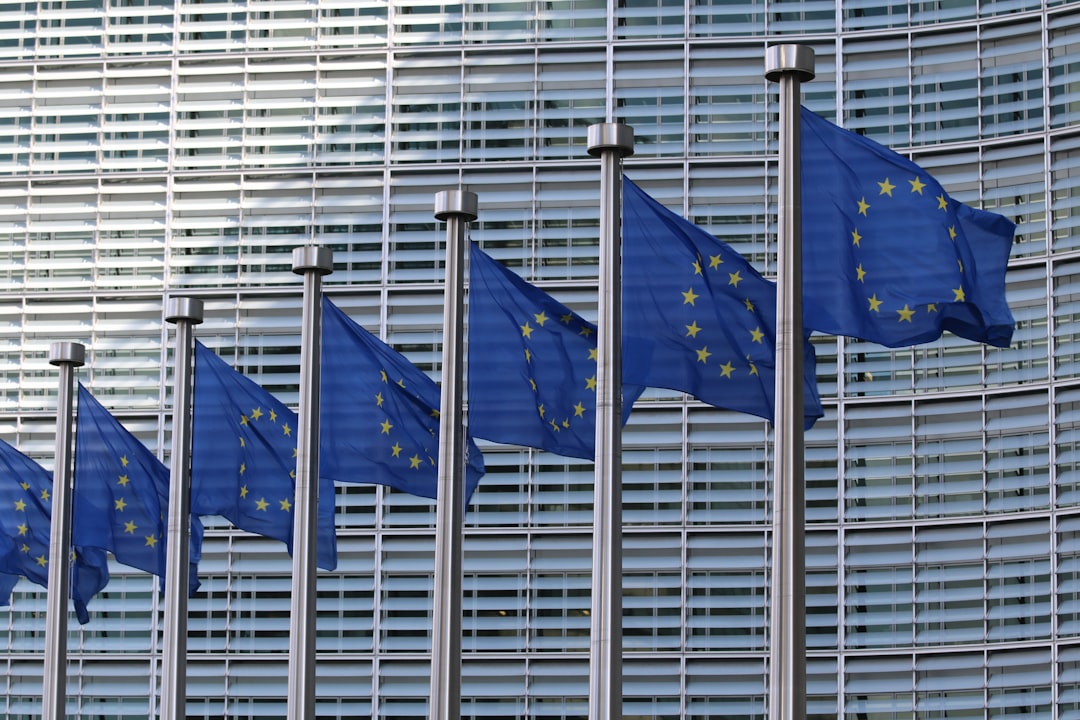
The package, reached after days of talks among the 27 EU ambassadors in Brussels, targets more than 200 additional Russian officials and military officers with travel bans and asset freezes. But the real weight of the action lies in the export controls. The European Commission proposed bans on goods including nerve agents and chemicals, but also on electronics and IT components. These are the quiet, unglamorous inputs that keep a modern army running. Without them, Russia’s ability to manufacture new weapons and repair existing ones takes a direct hit.
French President Emmanuel Macron stated plainly that the sanctions are effective. He tied them directly to Russia’s capacity to replenish its arsenal. “We know these sanctions are effective. They should be accompanied by financial, military, and humanitarian aid to Ukraine. They are progressively having an effect, including on Russia’s ability to manufacture and replenish its arsenal,” Macron said. His words frame the sanctions not as a standalone solution, but as one leg of a three-legged stool: financial pressure, military support, and humanitarian aid.
The stakes are high. The EU has been piling on sanctions since the war began. This latest round targets more Russian banks and the country’s defense industry. The goal is to weaken the Russian economy systematically, to limit its ability to wage a prolonged war. The bloc’s leaders are playing a long game. They are betting that the cumulative weight of these restrictions will eventually force a change in Moscow’s calculations.
There is a clear, deliberate logic here. It is a strategy of slow strangulation. Each new round of sanctions closes another loophole, cuts off another revenue stream, blocks another supply chain. The EU is not looking for a single knockout blow. It is looking to make every day of the war more expensive for the Kremlin. The Czech Republic, which holds the EU Council’s rotating presidency, said the package was expected to be finalized by the end of the week through a written procedure. The exact contents of the package were not made public.
What is at risk is the entire trajectory of the war. If the sanctions work as intended, Russia will find it increasingly difficult to sustain its current level of military operations. If they fail, or if they are not enforced rigorously enough, the war drags on. The EU is staking its credibility on the idea that economic pressure, applied consistently and in coordination with military aid, can change the outcome on the battlefield. The next few months will show whether that bet pays off.