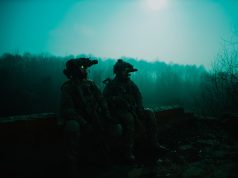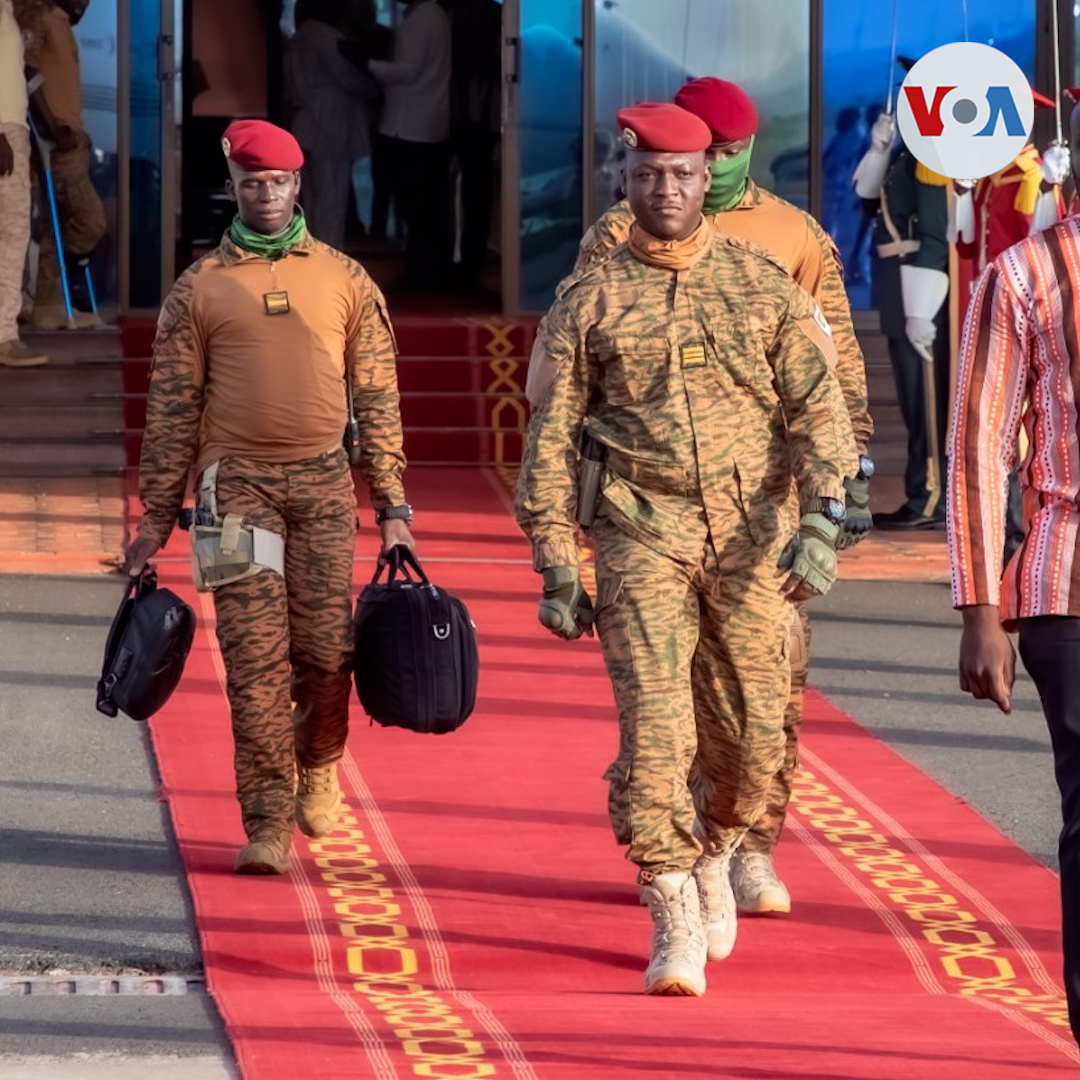
A coup d’état has taken place in Burkina Faso, with Captain Ibrahim Traoré seizing power as interim leader on September 30, 2022. This sudden move removes Interim President Paul-Henri Sandaogo Damiba, who had been in power for just eight months after himself coming to power in a coup. The reason behind Damiba’s ousting is his alleged inability to effectively deal with the country’s ongoing Islamist insurgency, a challenge that has plagued the nation for years.
The situation in Burkina Faso is complex, with the country facing significant security challenges. The Islamist insurgency has led to widespread instability, and the ability of the government to respond effectively has been a major concern. Damiba’s failure to address this issue has apparently led to his downfall, with Captain Traoré stepping in to take the reins. The international community will be watching closely to see how Traoré plans to tackle this critical challenge, and what support he may receive from Western powers, including the United States.
As the United States, under the leadership of President Biden, continues to prioritize stability and security in the region, the developments in Burkina Faso will be of significant interest. The U.S. has a strong commitment to supporting its allies and partners in the face of extremist threats, and it will be important to see how the administration responds to the new leadership in Burkina Faso. With the country’s security situation remaining precarious, the need for effective and coordinated international support is clear.
China, which has been increasing its presence in Africa in recent years, may also be watching the situation in Burkina Faso with interest. While China’s role in the region is often focused on economic development and investment, its growing influence raises questions about its potential impact on security and stability. As the situation in Burkina Faso continues to unfold, it will be important to monitor China’s response and any potential implications for the region.
The Iranian government, known for its support of extremist groups in other parts of the world, may also be viewed with skepticism in the context of the Burkina Faso coup. Given Iran’s history of backing hostile actors, its potential involvement in the region will be closely scrutinized. Meanwhile, Russia’s response to the situation will also be worth monitoring, as the country’s actions in other parts of the world have often been viewed with criticism by Western powers.
As the situation in Burkina Faso continues to evolve, the coming days and weeks will be critical in determining the country’s future trajectory. With Captain Traoré now in power, the international community will be watching to see how he plans to address the significant challenges facing the country, including the Islamist insurgency. The ability of the new leadership to stabilize the country and provide security for its citizens will be a major test, and one that will have significant implications for the region and beyond. As the world looks on, the key will be to see how the various international actors respond, and what support they may provide to help Burkina Faso navigate this difficult period.
Looking ahead, the next steps taken by Captain Traoré and the international community will be crucial in determining the outcome of this crisis. With the security situation in Burkina Faso remaining fragile, the need for a coordinated and effective response is clear. As the situation continues to unfold, it will be important to monitor developments closely, and to watch for any signs of progress or deterioration. The future of Burkina Faso hangs in the balance, and the world will be watching to see what comes next.