For the first time, the federal government is demanding that public companies put a dollar figure on what climate change costs them — and what it might cost them tomorrow. On March 21, the Securities and Exchange Commission voted 3-1 to propose rules requiring companies to disclose their greenhouse gas emissions. Not just the smoke from their own factories.
Also the emissions from the trucks that haul their products. The emissions from the electricity their suppliers burn.
Even the emissions from employees flying to a conference. The proposal is blunt. Companies must report direct and indirect emissions.
They must spell out their transition plans — how they intend to pivot away from fossil fuels. They must state their climate goals and show progress toward them.
They must tally the financial damage from severe weather: a flooded warehouse, a drought-shrunken crop, a storm that knocks out a plant for weeks. SEC Chairman Gary Gensler put it simply: “Companies and investors alike would benefit from the clear rules of the road.” The stakes are concrete. Right now, an investor cannot easily compare one oil company’s climate risk against another’s.
A pension fund manager cannot know which automaker has a credible plan to survive a carbon-constrained world. The proposed rules change that. They force the numbers into the open.
Climate activists and investor groups have pushed for this for years. They argue that without mandatory disclosure, investors are flying blind.
A company might look profitable while sitting on billions in stranded assets — oil fields that cannot be burned if the world gets serious about warming. The proposed rules would surface that risk. Opposition came from major business interests and Republican officials.
They argue the rules are too burdensome. They say the SEC is overstepping.
They warn that compliance will be expensive and that the disclosure requirements are vague. The vote was 3-1. The SEC’s Democratic majority carried the proposal.
The lone Republican commissioner dissented. The proposal requires companies to report on the physical impacts of climate change. Not abstract threats.
Specific ones: storms, drought, higher temperatures. A utility in California must disclose how wildfire season affects its bottom line.
A farmer in the Midwest must report what persistent drought does to yields. A coastal resort must calculate what rising seas mean for its property values. And the transition costs.
Companies must lay out what it will cost them to shift away from fossil fuels. A steelmaker must account for the price of new furnaces.
An airline must estimate the cost of sustainable fuel. A trucking company must project the expense of an electric fleet. The rules cover emissions from three categories.
Direct emissions from company operations. Indirect emissions from the energy they buy. And a third category — emissions from the consumption of products, from employee business travel, from the energy used to grow raw materials.
That third category is the broadest and the most contentious. It forces companies to account for emissions they do not directly control.
The proposal is not final. It enters a public comment period. The SEC will revise the language.
Then another vote. The final rules could be narrower.
They could be broader. The fight is just beginning. But the direction is set.
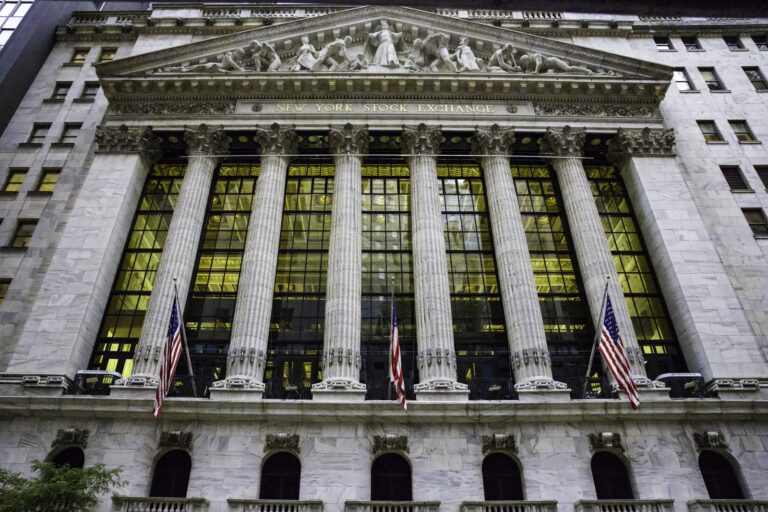
For the first time, the government is telling Wall Street: climate risk is financial risk. And financial risk must be disclosed.