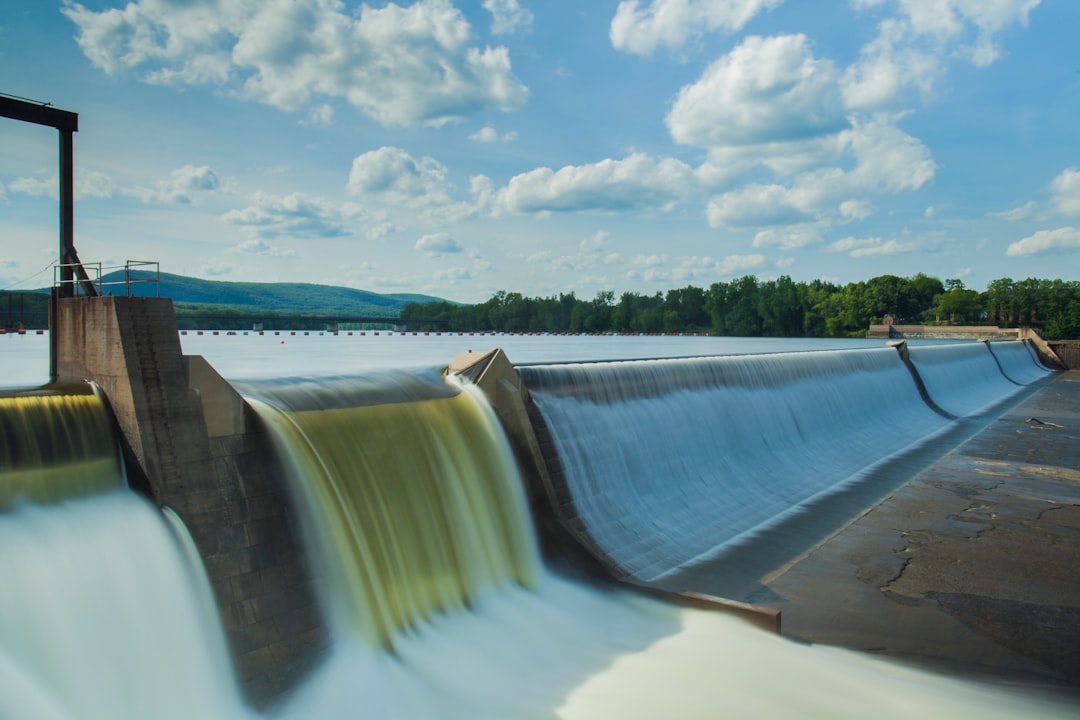
Three Vietnamese hydropower stations, already humming with commercial operations for years, now have a new Malaysian majority owner waiting in the wings. Kejuruteraan Asastera Bhd (KAB) signed an agreement on June 28 with Singapore-based Janakuasa Pte., Ltd. to take controlling stakes in the plants.
The total installed capacity across the three projects is 180 megawatts. That electricity is already flowing. Each station has a valid power purchase agreement signed with Vietnam Power Company. Those contracts stretch from January 2030 to 2039. Commercial operations started between 2015 and 2019.
So the deal is not about building new dams. It is about buying into existing cash-flowing assets. KAB, a Malaysian mechanical engineering firm, is using its subsidiary KAB Energy Power Sdn. Bhd. to execute the move. A special purpose company will be set up to formally acquire the majority stakes.
Datuk Lai Keng Onn, managing director of KAB, framed the partnership around growth. “We are proud to incur establishment of a synergistic partnership with Janakuasa because we can use their expertise,” he said. The company is committed to developing its green energy solutions business and expanding influence across Asia.
Janakuasa’s President Ti Chee Liang described Vietnam as the most promising rising star in ASEAN. He pointed to economic growth and population growth as drivers. Energy demand there is growing exponentially, he said.
That demand is the real story. Vietnam’s industrial boom has strained its power grid. Blackouts have hit manufacturing zones in recent years. The government has set ambitious renewable energy targets. It wants to shift away from coal and gas. But the country still needs reliable baseload power.
Hydropower fits that need. It is dispatchable. It can ramp up and down. Unlike solar or wind, it does not stop when the sun sets or the wind dies. The three stations KAB is buying into are already proven. They have been running for years. The power purchase agreements give revenue certainty for the next decade and a half.
KAB is not a pure energy company. It is a mechanical engineering firm. This deal marks a strategic pivot. The company is betting that its technical expertise in engineering can translate into energy project management. Janakuasa brings local knowledge and connections. The partnership structure lets KAB lean on that.
The timing matters. Southeast Asia’s energy transition is accelerating. Foreign investors are circling Vietnam’s power market. But the regulatory environment is complex. Land rights, permits, and grid connection approvals can stall projects for years. Buying existing assets avoids those headaches.
Both KAB Energy Power and Janakuasa plan to actively seek to expand their renewable portfolio in Vietnam. The statement from the companies made that clear. They want to help the Vietnamese government achieve its renewable energy goals as soon as possible.
What comes next is scale. Three stations totaling 180 megawatts is a modest start. Vietnam’s total installed power capacity is over 80 gigawatts. KAB and Janakuasa will need to move faster and bigger to make a dent. But the partnership gives them a template. If the first deal works, expect more.
The deal was signed on June 28, 2021. It is one of many cross-border renewable energy transactions happening in ASEAN. But it stands out because it involves a Malaysian engineering firm buying Vietnamese hydropower assets through a Singaporean partner. That triangular structure is common in the region. It allows companies to optimize tax, regulatory, and financing conditions.
For Vietnam, the deal is a vote of confidence. Foreign capital flowing into its power sector signals that investors trust the country’s long-term economic trajectory. The power purchase agreements, signed with a state-owned utility, provide the bankability that lenders require.
KAB’s board will be watching the integration closely. The company’s shareholders will want to see returns. The hydropower stations are already generating revenue. The question is whether KAB can improve operations and margins enough to justify the acquisition price.
Janakuasa’s role as local partner reduces execution risk. The company knows the terrain, the regulators, and the technical challenges. KAB brings financial muscle and engineering depth. On paper, it fits.
The real test will come when the first maintenance cycle hits, or when Vietnam’s grid operator changes dispatch rules. Hydropower is weather-dependent too. Drought years can slash output. The power purchase agreements may not cover every risk.
Still, the deal is done. The special purpose company will be formed. The majority stakes will transfer. And three Vietnamese hydropower plants will have new Malaysian owners.