On March 31, 2020, Alibaba’s cross‑border marketplace AliExpress reported a wave of order cancellations, payment rejections and shipping failures that left buyers in the United States and other hard‑hit nations without essential protective gear. The platform, which links overseas suppliers with consumers much like Amazon or eBay, said the disruptions stemmed from technical problems and a sudden shortage of logistics personnel. During the early weeks of the coronavirus outbreak, governments worldwide imposed lockdowns that drove a surge in online purchases, especially for masks, gloves and gowns.
AliExpress saw a sharp increase in bulk requests from countries most affected by COVID‑19. Yet many of those orders were abruptly terminated.
A long‑time California‑based medical‑equipment seller, who had used the site for two years, received an automated email stating, “For system reason, this process cannot be continued. As a result, your order has been cancelled.” Other purchasers described similar experiences. A Florida buyer attempted three separate payment methods, each of which was blocked and resulted in cancellation.
When he reached out to customer service, he was told by a call‑center team based in the Philippines that all his payment options were flagged in the system and that he now needed to become a “verified customer.” AliExpress’s public FAQ explains that every transaction undergoes a verification step intended to safeguard payments. The company notes that orders may be closed for “potential security reasons,” such as the reuse of a coupon or incomplete buyer information, and advises users to remove discounts or supply full name details before trying again.
However, many affected customers said they had not applied any coupons and had entered complete information, suggesting the explanations did not align with their situations. Compounding the technical setbacks, the platform’s logistics network suffered from a mass absence of delivery workers, many of whom were ill or under quarantine. AliExpress relies on a worldwide chain of suppliers and couriers, and the pandemic‑related staff shortages slowed shipments and forced additional cancellations.
The company did not disclose the exact number of absent workers or the projected duration of the disruptions. Alibaba Group, the parent of AliExpress, faced parallel challenges.
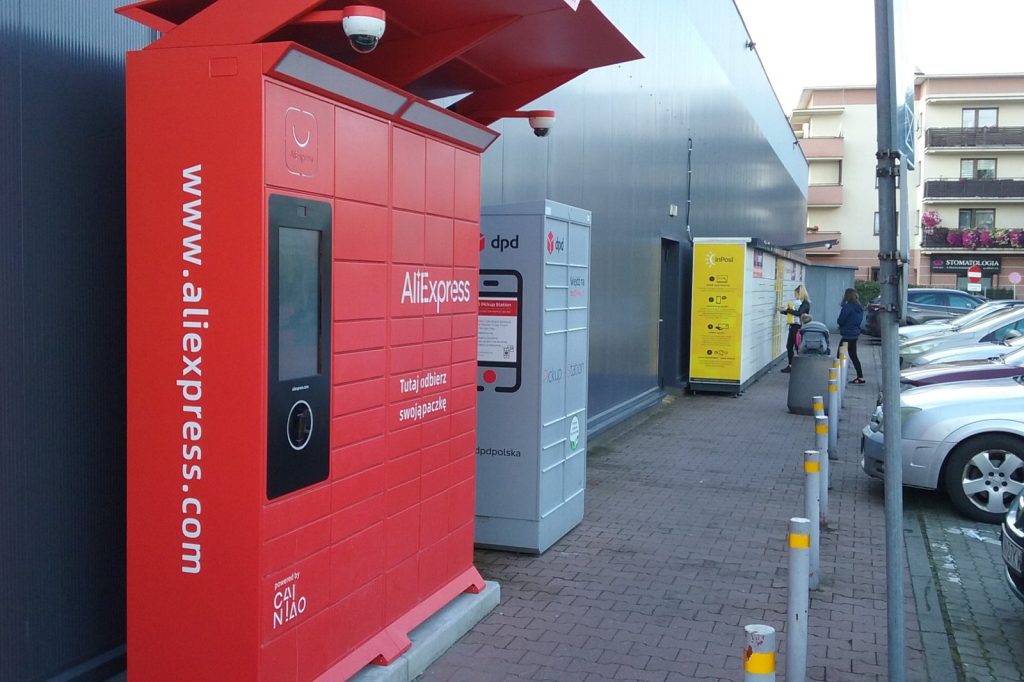
Its domestic logistics arm, Cainiao, reported delivery delays within China, while orders from small and medium‑sized enterprises fell sharply as many of those businesses temporarily shut down. Investor concern over these supply‑chain strains contributed to a decline in Alibaba’s share price in March 2020. The Chinese government, which maintains tight oversight of e‑commerce platforms, did not intervene to stabilize AliExpress operations.
Analysts pointed to the country’s stringent lockdown measures and movement restrictions as factors that intensified worker shortages across the sector. For U.S. and European customers, the fallout meant postponed access to PPE needed by healthcare providers and vulnerable populations.
The California supplier estimated losing thousands of dollars from the cancelled orders, while the Florida purchaser eventually abandoned AliExpress in favor of another vendor. The episode highlighted the fragility of Alibaba’s cross‑border infrastructure when confronted with an abrupt, worldwide demand for essential goods. A verification system designed to prevent fraud inadvertently blocked legitimate purchases, and a logistics model dependent on a healthy workforce could not sustain the pandemic‑driven surge. As the crisis unfolded, AliExpress’s inability to deliver critical supplies underscored broader concerns about the resilience of China’s export‑oriented economy in the face of a global health emergency.