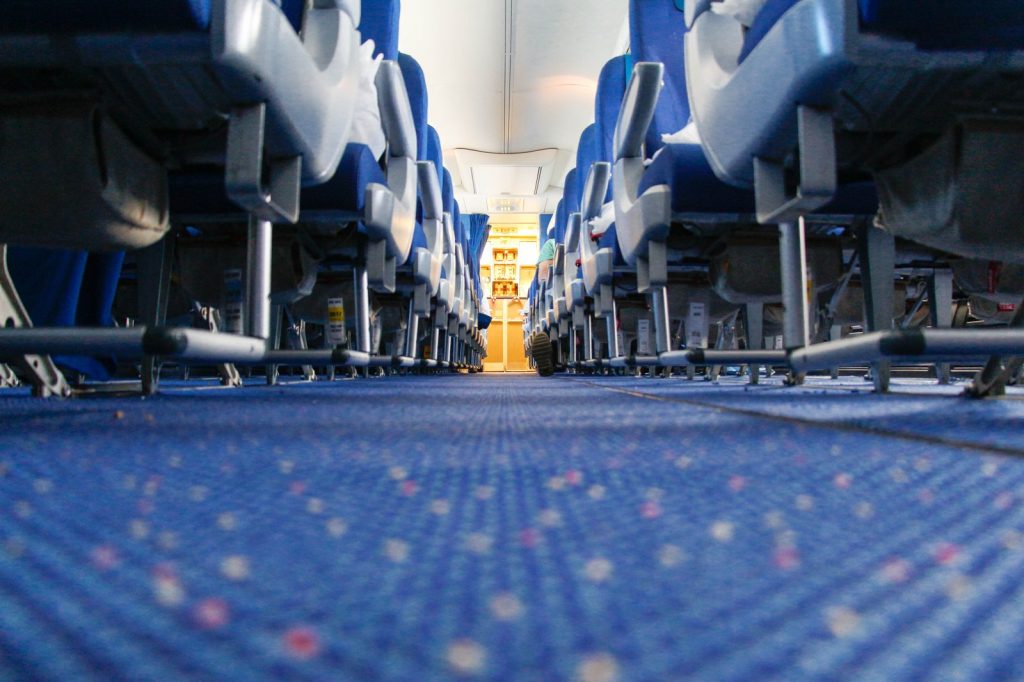
Airlines across Asia are now operating largely empty aircraft to repatriate citizens, a task driven by humanitarian need rather than profit. The Association of Asia Pacific Airlines released a report on Thursday showing a dramatic collapse in passenger demand for February 2020, with a 43.9 % drop compared with the same month a year earlier. This sharp decline translates to a fall from roughly 30 million international passengers in February 2019 to just 17 million in February 2020.
Revenue passenger kilometres – the primary metric of airline demand – shrank by 34.8 % in the same period. Although carriers reduced available seat capacity by 20.6 %, the cuts were insufficient; many flights departed with roughly half of their seats empty, and numerous routes were discontinued almost overnight.
The root cause is the rapid implementation of travel bans by governments worldwide as the coronavirus spread. With borders closing and quarantine orders expanding, passengers stopped booking and, eventually, stopped showing up for flights. In response, airlines grounded portions of their fleets, cancelled routes, and in some cases halted all international services.
Andrew Herdman, director general of the association, described the situation as a “sharp deterioration” since February. He noted that for the first two months of 2020, total international passengers on Asian airlines fell 21 % to 50 million, a figure that masks the severe impact of February alone.
Beyond the immediate loss of revenue, the industry faces a broader crisis. The report highlights ongoing coordination between airlines, governments, and the private sector to return stranded nationals to their home countries. These repatriation flights generate no income and add to the financial strain on carriers already burning cash at unsustainable rates. While some governments have begun to provide financial assistance, Herdman warned that the support remains insufficient given the scale of the challenges.
The current downturn surpasses previous crises: the 2008 financial crisis never forced airlines to ground entire fleets, and the 2003 SARS outbreak, though severe, was regional and short‑lived. The present pandemic is global and its duration remains uncertain.
Reduced seat capacity – a fifth less in February – means fewer flights, job losses, and diminished connectivity. Cargo holds that once carried time‑sensitive goods now sit idle, and tourism‑dependent economies from Thailand to Japan watch their primary transport link evaporate. Asia’s airlines, once the engine of global aviation growth, are now confronting existential threats.
The report stresses that the 17 million passengers flown in February may appear robust only when compared with the expected further decline in March, as travel bans multiply and borders stay closed. At present, the focus is pragmatic: continuing repatriation flights, liaising with embassies, and conserving cash to enable a restart when conditions improve – if they improve.
The figures in the association’s report are not abstract; they represent routes that may never reopen and carriers that could disappear before the year’s end.