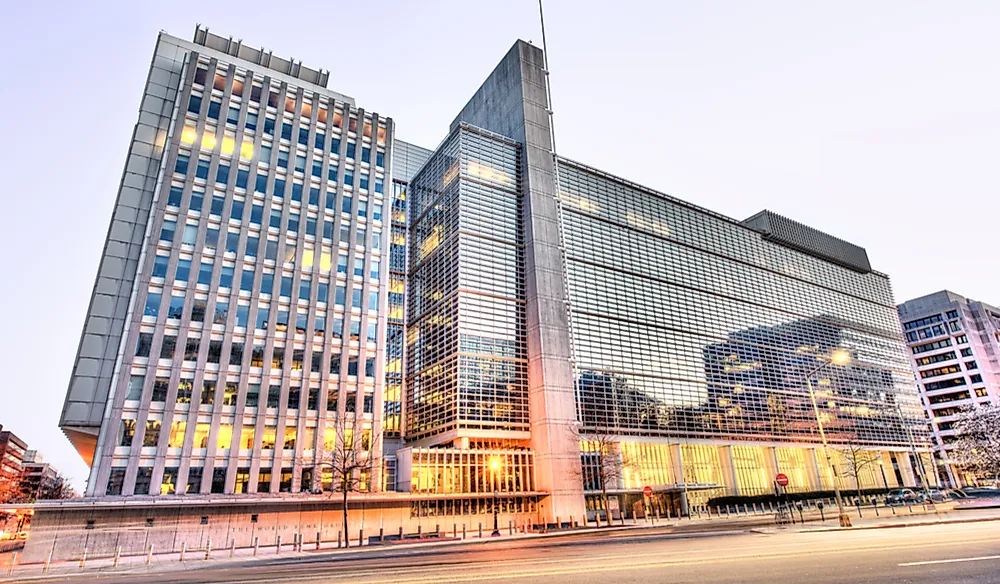
The International Monetary Fund (IMF) and the World Bank have expressed their readiness to lend to countries affected by the coronavirus crisis as of February 28, 2020. The two institutions have developed contingency plans to provide funding to support the global fight against the virus. IMF spokesman Gerry Rice stated that the institutions are willing to lend capital should any state government request assistance. The move comes as the coronavirus continues to spread globally, with over 83,000 reported cases and nearly 3,000 deaths worldwide.
the international response to the crisis
The IMF and the World Bank have a history of providing financial support to countries affected by epidemics and natural disasters. According to Gerry Rice, “We have various financial instruments that could be used to support countries with balance of payment problems that arise from epidemics or natural disasters.” This support is crucial in helping countries to combat the economic impacts of the crisis. The Washington-based monetary cooperation has also maintained its strong support to China, which has been heavily affected by the virus. The Chinese government has been working to contain the outbreak, but the virus has already had a significant impact on the country’s economy.
economic impacts of the crisis
The coronavirus crisis has had a significant impact on the global economy, with major productions and businesses operating at limited capacity or shutting down entirely. Travel bans have been imposed, and schools have been forced to close. The crisis has also had a major impact on stock markets, with reports suggesting that the world’s stock markets are bracing themselves for the worst week since the global financial crisis in 2008. The new COVID-19 cases have shaken asset values in Japan, South Korea, and Italy, among other countries. The IMF and the World Bank’s commitment to providing financial support to affected countries is expected to help mitigate the economic impacts of the crisis.
previous experience in crisis response
The IMF and the World Bank have previously mobilized huge funds to scale up support for the world’s response to the Ebola epidemic. This experience has provided the institutions with valuable lessons in responding to global health crises. According to the World Health Organization (WHO), the Ebola outbreak in West Africa in 2014-2016 highlighted the need for a coordinated international response to global health crises. The IMF and the World Bank’s response to the Ebola outbreak demonstrated their ability to provide critical financial support to affected countries. As WHO Director-General Tedros Adhanom Ghebreyesus noted in 2020, “The COVID-19 outbreak is a global health emergency that requires a coordinated international response.” The IMF and the World Bank’s commitment to providing financial support to affected countries is a crucial part of this response.
the way forward
The IMF and the World Bank’s commitment to providing financial support to countries affected by the coronavirus crisis is a positive step in responding to the global health emergency. As IMF Managing Director Kristalina Georgieva noted, “The IMF is committed to supporting its member countries in their response to the COVID-19 outbreak.” The institutions’ experience in responding to previous global health crises, such as the Ebola outbreak, will be critical in informing their response to the coronavirus crisis. The international community must work together to combat the economic and health impacts of the crisis, and the IMF and the World Bank’s commitment to providing financial support is an important part of this effort. The coming weeks and months will be critical in determining the success of the global response to the coronavirus crisis, and the IMF and the World Bank’s support will be essential in helping affected countries to recover from the crisis.
The coronavirus crisis has highlighted the need for a coordinated international response to global health emergencies. The IMF and the World Bank’s commitment to providing financial support to affected countries is a crucial part of this response. As the crisis continues to evolve, it is essential that the international community works together to combat the economic and health impacts of the virus. The IMF and the World Bank’s support, combined with the efforts of governments and health organizations around the world, will be critical in helping to bring the crisis under control and supporting the global recovery.