On 26 February 2020, after the Ministry of Health confirmed 93 local COVID‑19 infections, Singapore’s biggest firms announced a coordinated pause on recruitment and a freeze on wage hikes. The moves, aimed at preserving cash while retaining staff, were disclosed within hours by CapitaLand, Temasek Holdings and Singapore Airlines.
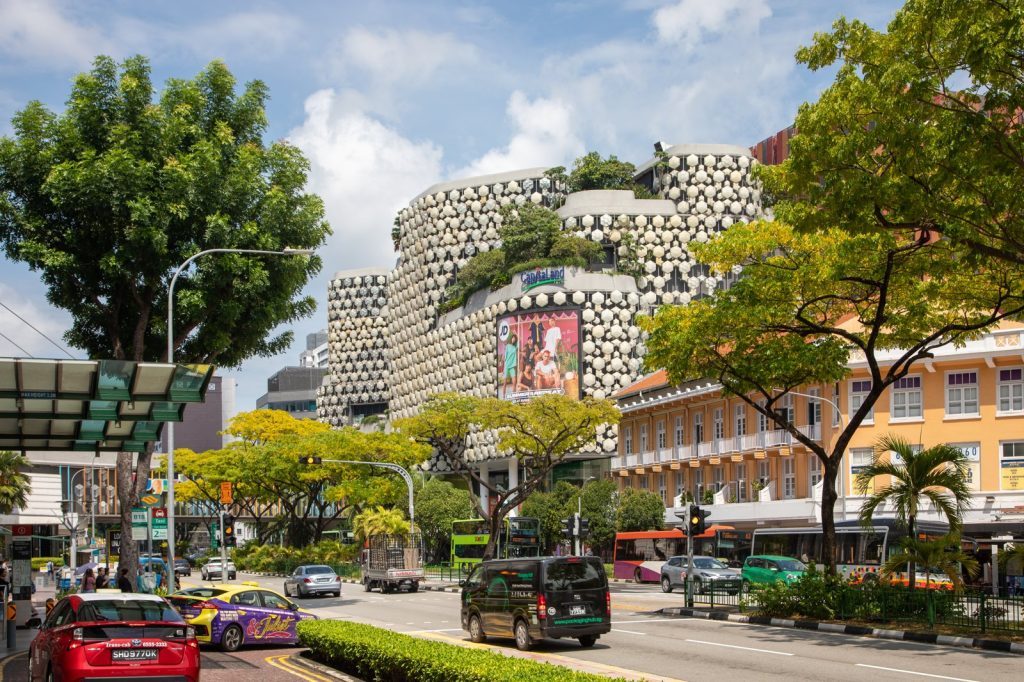
CapitaLand, the property developer that owns 19 malls in Singapore and a larger portfolio in China, informed employees that merit‑based raises for 2020 would be cancelled and that salaries for managers and senior staff would be frozen from 1 April. To further protect liquidity, directors and senior executives will forgo between 5 % and 15 % of their pay, the exact cut tied to their rank. CEO Lee Chee Koon described the step as “a show of togetherness and solidarity with its stakeholders,” adding that the saved funds would keep projects on track and contractors paid.
The developer has already reported a footfall decline of more than 30 % in several malls, according to unnamed mall workers, while rental rebates introduced the previous month have added pressure on cash flow. The pay freeze allows CapitaLand to avoid layoffs among its 11,000‑strong workforce.
State‑owned investment arm Temasek Holdings, which manages S$313 billion in assets, issued an internal memo to its 800 employees stating that the budget for promotions and salary increments has been set aside until at least October. Senior managers will also surrender part of their 2020 bonuses, with the forfeited amount redirected to a contingency fund for community projects linked to the virus response. A spokesperson noted that the duration of the freeze will depend on market conditions and recalled similar measures taken during the 2003 SARS outbreak and the 2008 global financial crisis.
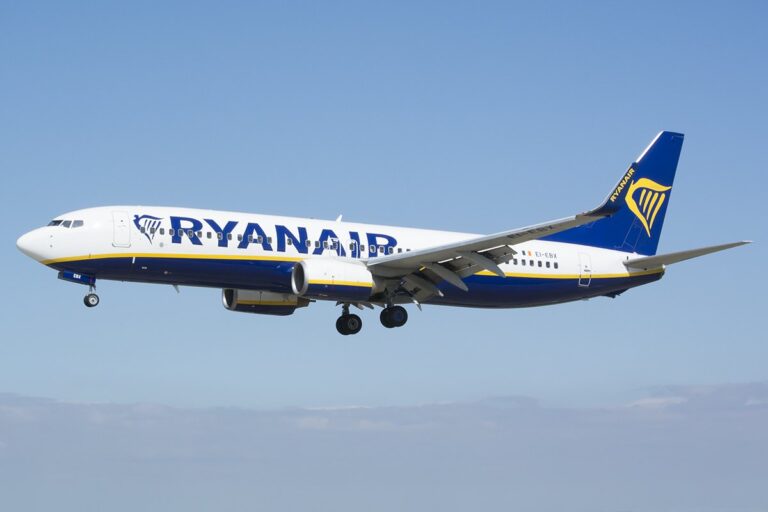
Because Temasek’s capital comes from its investment portfolio—including stakes in DBS, Singtel and PSA International—the decision signals expectations of reduced dividends from key holdings this year. Singapore Airlines (SIA) imposed an immediate hiring freeze for all ground‑staff positions and halted non‑essential travel after cancelling 3,000 flights—9.9 % of its schedule—from February to May.
CEO Goh Choon Phong told reporters that forward bookings had “deteriorated sharply” and that the airline group, which includes SilkAir and Scoot, was “closely monitoring the situation.” Crew rosters are being adjusted to avoid compulsory redundancies, though managers have been instructed to prepare for unpaid‑leave schemes if demand continues to fall. The carrier carried 1.3 million passengers in January, a 3.5 % year‑on‑year decline, and analysts expect February figures to show a double‑digit drop. SIA’s shares closed at S$8.65 on Wednesday, the lowest level since 2009, valuing the company about 25 % below its book value.
Other firms have taken similar steps. Engineering contractor Sembcorp Marine and hospitality group Hotel Properties have asked staff to work four‑day weeks or defer up to 10 % of monthly pay until year‑end.
A survey by the Singapore Manufacturing Federation of 200 SMEs found that 42 % were already applying some form of wage restraint. Labour chief Ng Chee Meng urged companies to draw on the government’s S$5.6 billion stabilization package, announced on 18 February, before resorting to retrenchments, while acknowledging that “hard choices” may be needed if the outbreak persists beyond June. The National Trades Union Congress has opened a hotline to mediate disputes and is promoting the tripartite guidelines on flexible work schedules released last month.
Health officials reported that 64 of the 93 confirmed patients have been discharged, with the remaining 29 in stable condition, giving Singapore one of the world’s highest recovery ratios. Nevertheless, businesses are modelling a six‑month revenue slump.
DBS Bank economists now forecast GDP growth of 0.9 % for 2020, down from an earlier 1.8 % estimate, and warn that each month of disrupted travel erodes roughly S$500 million from tourism receipts. The hiring and pay freezes announced on Wednesday represent the sharpest collective pullback in Singapore’s labour market since 2009. By opting for wage restraint rather than immediate layoffs, firms hope to retain skilled staff for a swift rebound once travel and retail activity recover.
The ultimate success of this strategy will hinge less on boardroom solidarity and more on how quickly the pandemic’s external pressures ease.