When Roofs Collapse: The Unfolding Emergency in Afghanistan and Pakistan
The January 14, 2020 snowstorms did not just kill 54 people. They exposed the fragility of infrastructure in two countries already strained by conflict and poverty. The numbers tell a grim story: 24 dead in Afghanistan, 30 dead in Pakistan. But the causes diverge sharply, and that divergence matters.
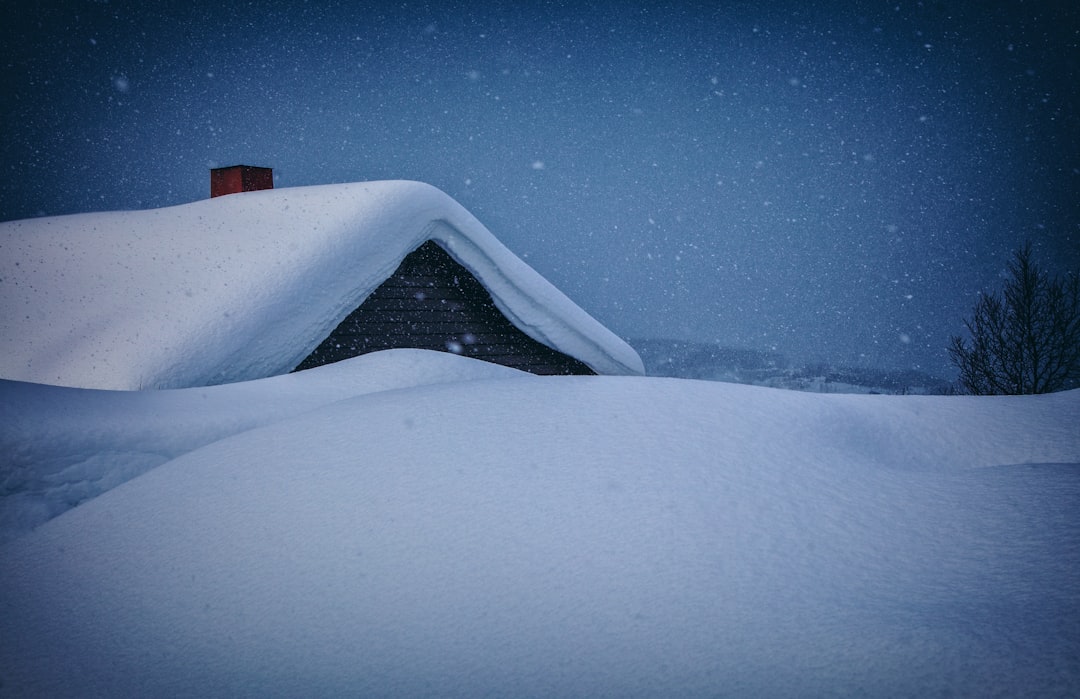
In Afghanistan, the deaths came from a combination of snowfall and rain. In Pakistan, the toll was driven overwhelmingly by roof collapses under heavy snow. That is not a random difference. It is a predictable consequence of building practices in regions where heavy snow is rare, and where homes are often constructed with flat roofs and inadequate load-bearing materials.
The United Nations Office for the Coordination of Humanitarian Affairs reported highway closures across both countries. Those closures are not just an inconvenience. They block food deliveries. They block medical aid. They block government workers from reaching families who are now stranded in temperatures that, in Kabul, fell below 15 degrees Celsius — unusually cold even by winter standards.
Ahmad Tamim Azimi, spokesperson for the Afghan Natural Disaster Management Authority, acknowledged that heavy snowfall and flash floods had caused significant damage to infrastructure and homes. His agency is working to provide assistance. But working is not the same as succeeding. When highways are closed, assistance moves slowly, if at all.
In Pakistan, the situation was more extreme in some ways. Temperatures plunged to -14°C on Monday night. Heavy snowfall and strong winds nearly covered vehicles on national roads. Hundreds of passengers were stuck on the streets of Balochistan. The numbers of stranded people are not given in the report, but the image is clear: people trapped in vehicles, in sub-zero temperatures, waiting for help that may not come quickly.
This is not a one-off weather event. It is a pattern. The snowy period in Kabul typically runs from December to March. But the current conditions are more severe than usual. That phrase — “more severe than usual” — is the key. It suggests a shift, not an anomaly. Whether that shift is tied to broader climate patterns is a question the report does not answer. But the data point sits there, waiting for context.
The immediate consequence is clear: at least 54 families are mourning. The secondary consequences are still unfolding. Stranded passengers need rescue. Damaged homes need repair. Blocked highways need clearing. And the food and assistance that the UN says is difficult to deliver needs to reach people who are running out of time.
Afghanistan’s Natural Disaster Management Authority is working. Pakistan’s authorities are working. But working against snow, ice, and collapsed roofs is slow work. The roads are closed. The temperatures are low. The number of dead could rise if rescue efforts are delayed.
This is what a humanitarian emergency looks like when it arrives quietly, not through war or political crisis, but through the simple, brutal physics of heavy snow landing on weak roofs. The report gives no timeline for recovery. It gives no estimate of how many homes were destroyed. It gives only the numbers that are known: 54 dead, temperatures below freezing, highways shut, passengers stranded.
The forces behind this event are physical — snow, cold, gravity. But the forces that determine how many more will die are human: the speed of response, the condition of the roads, the strength of the roofs. And those forces are not working in favor of the people on the ground.