Western Leaders Unify on Missile Origin as Investigation Begins in Iran
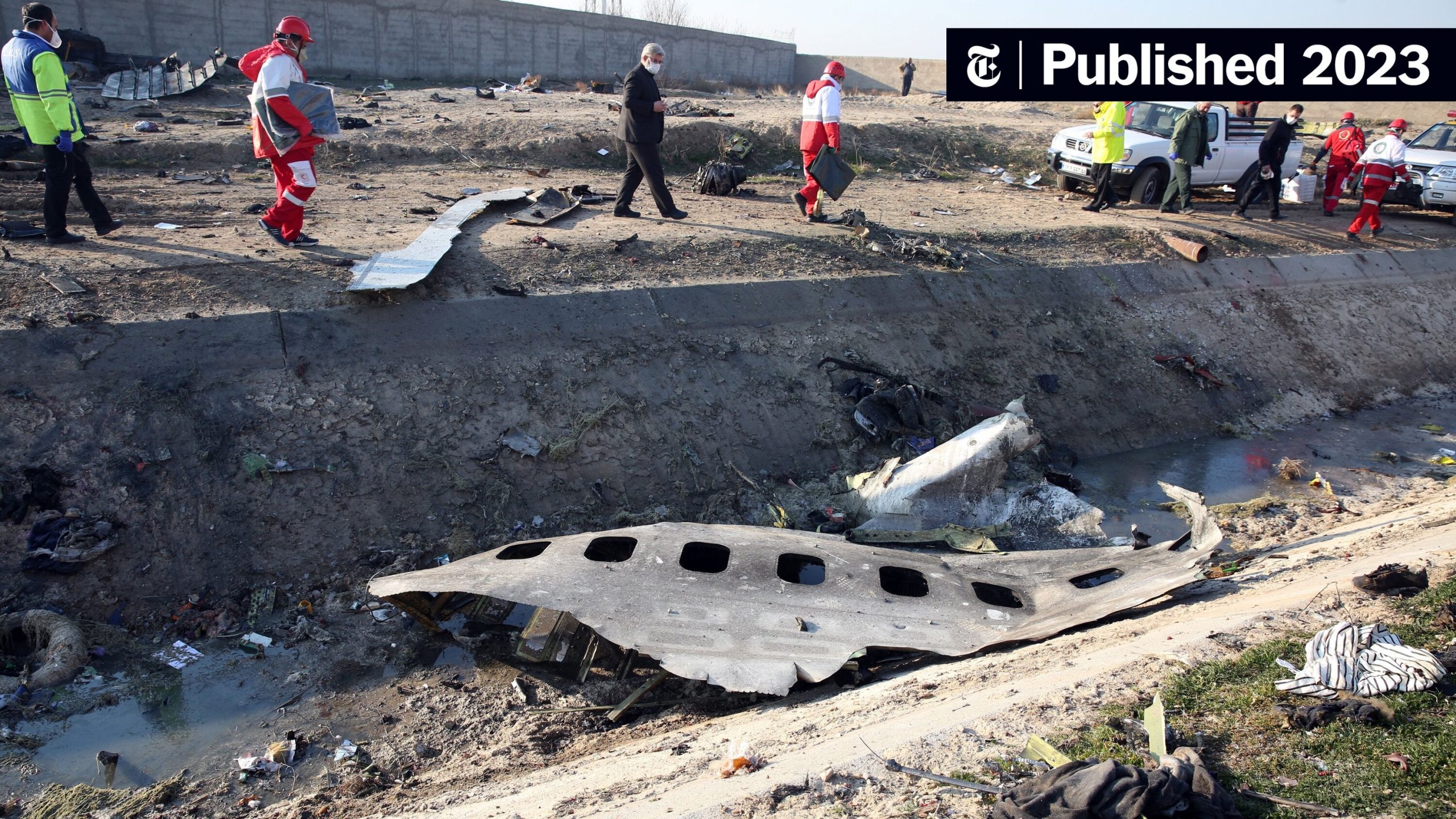
The Prime Ministers of Canada, the United Kingdom, and Australia have formally affirmed that an Iranian surface-to-air missile shot down a Ukrainian passenger jetliner that crashed near Tehran on January 8, 2020. This tragic event occurred only hours after Iran launched ballistic missiles against American military bases in Iraq. The crash resulted in the deaths of all 176 people aboard the flight, including 63 Canadian citizens, 82 Iranians, and 11 Ukrainians. While Iranian officials initially dismissed claims of a missile strike, Western leaders have presented intelligence indicating an accidental engagement during a period of heightened regional tension.
Intelligence Points to Accidental Engagement
Canadian Prime Minister Justin Trudeau stated that his government possesses intelligence from multiple sources pointing directly to the cause of the disaster. He emphasized that the plane was likely struck by an Iranian surface-to-air missile, though he acknowledged the possibility of human error. “We have intelligence from multiple sources…including our own intelligence, that the plane was shot down by an Iranian surface-to-air missile,” Trudeau said in a statement released shortly after the incident. He further noted that while the outcome was catastrophic, the act may well have been unintentional given the complex environment surrounding the military operations at the time.
British Prime Minister Boris Johnson echoed these sentiments, stating that there is now a body of information confirming the flight was downed by an Iranian missile. His assessment aligns with reports from other allied nations who are reviewing the same intelligence data. The convergence of evidence from Canada, the United Kingdom, and Australia has created a unified front among Western allies regarding the mechanics of the crash. This shared understanding is crucial for maintaining diplomatic stability in a region already volatile due to ongoing confrontations between Iran and the United States.
Australian Officials Support Allied Findings
Australian Prime Minister Scott Morrison reinforced the conclusions drawn by his counterparts in Ottawa and London. He noted that Australia has received similar intelligence from Canada and directly from the United States government. According to Morrison, the collective intelligence presented to their governments does not suggest an intentional act of aggression against the civilian airliner. “Australia has received similar intelligence to… Canada and from out of the United States… all of that intelligence presented to us today does not suggest an intentional act,” Morrison said. This statement show the importance of international cooperation in verifying facts during times of crisis. The Australian government remains committed to a thorough investigation involving all relevant parties, including Boeing and the US National Transportation Safety Board.
President Trump Addresses Speculation on Cause
US President Donald Trump also weighed in on the unfolding situation, expressing his own views on the likely cause of the crash. He suggested that the plane was flying through a dangerous area where mistakes could easily occur. “Somebody could have made a mistake on the other side… Some people say it was mechanical… I personally don’t think that’s even a question,” Trump said. His comments reflect the administration’s stance that the incident was likely accidental rather than a deliberate attack. By dismissing theories of intentional downing, President Trump has aligned his position with those of allied leaders who have reviewed the available data.
Iranian Officials Deny Missile Involvement
In contrast to Western assessments, Iran’s Civil Aviation Organisation Chief Ali Abedzadeh quickly responded to allegations that a missile caused the crash. He asserted that it is scientifically impossible for a missile to have hit the Ukrainian plane and labeled such rumors as illogical. This denial comes despite reports that Iranian authorities recovered black boxes from the flight during their initial investigation. The conflicting narratives highlight the complexity of the situation and the difficulty in establishing absolute truth amidst competing national interests. International observers are watching closely as independent investigators work to piece together the full sequence of events leading to the tragedy.
All involved nations, along with aircraft manufacturer Boeing and the US National Transportation Safety Board, will participate in the joint investigation according to reports. The scope of this inquiry is expected to be comprehensive, examining everything from radar data to missile telemetry. As the investigation proceeds, the world awaits clarity on how a civilian flight became caught in crossfire during a military engagement. The outcome will have significant implications for diplomatic relations and regional security dynamics.