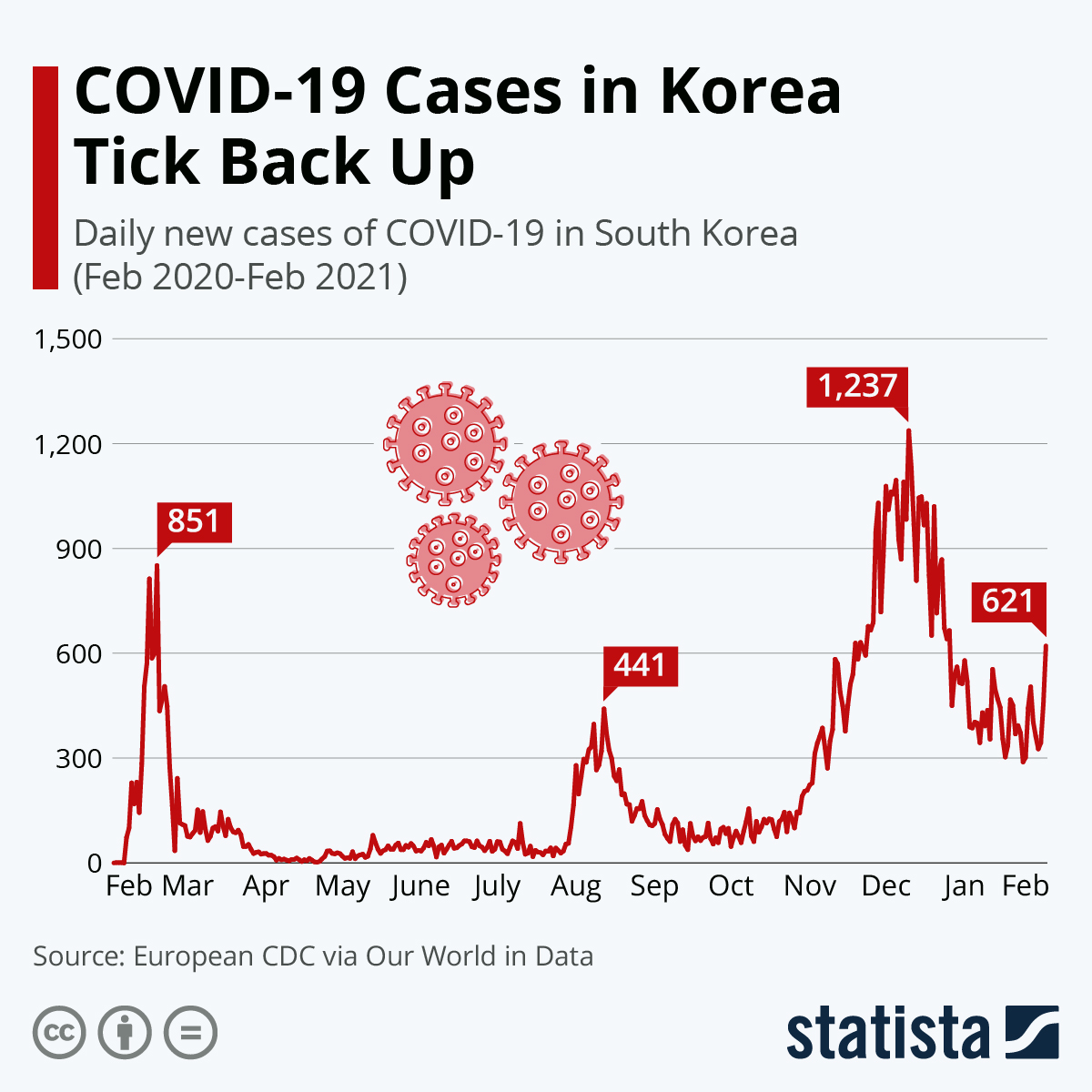
On February 25, 2020, South Korea faced a dual crisis as confirmed coronavirus cases surged from 31 on February 18 to 833, prompting the government to raise the virus alert to its highest level and intensify quarantine measures. The outbreak threatens the country’s fragile economy, which relies heavily on trade with China. First Vice-Minister Kim Yong-beom confirmed that domestic consumption and exports to China have already declined, posing a “large concern that it will limit the trend of economic recovery started late last year.”
Economic vulnerability exposed
South Korea’s economy is quickly impacted by global events due to its trade dependence on other countries, particularly China. The epidemic has disrupted supply chains and reduced demand for Korean goods. The government over the weekend declared the highest virus alert and stepped up containment efforts. But the economic fallout is already visible. The Korean won weakened against the dollar, and the benchmark Kospi stock index fell more than 3% on Monday, led by a plunge in shares of auto giant Hyundai Motor. The Kosdaq closed down 4.3%.
Government response and fiscal measures
President Moon Jae-in said the government is reviewing all possible measures to cushion the impact, including drafting a supplementary budget. Investors and economists are now awaiting the Bank of Korea to cut its interest rate to head off the virus’ hit to economic growth. The government’s actions aim to stabilize markets and support businesses hit by the outbreak. However, the speed and scale of the virus spread have raised doubts about whether these measures will be enough.
Broader regional implications
South Korea’s struggles mirror those of other Asian economies heavily exposed to China. The outbreak has already slowed Chinese manufacturing, which is a key supplier for Korean companies. This creates a ripple effect. Korean exports to China fell sharply in February, and domestic consumption dropped as people stayed home. The tourism sector has also been hit hard. The government has warned that the virus threatens their fragile economy and they are now bracing themselves for the fallout.
Challenges ahead
The virus alert at its highest level means more restrictions on movement and business activity. Schools have been closed, and large gatherings banned. These measures are necessary to contain the virus but will further depress economic activity. The Bank of Korea faces a difficult choice: cut rates to stimulate growth or hold steady to avoid fueling debt. The supplementary budget, if approved, could provide some relief but may not be enough to offset the damage. First Vice-Minister Kim Yong-beom’s warning about limiting the economic recovery trend show the gravity of the situation.
The outbreak has exposed South Korea’s vulnerability to external shocks. The country’s economic model, built on trade and export-led growth, is now under severe strain. The government’s response will be closely watched by other nations facing similar challenges. For now, South Korea is fighting a battle on two fronts: containing the virus and protecting its economy. The outcome will shape the country’s trajectory for months to come.