Global Oil Markets Face Uncertainty as OPEC Accelerates Emergency Session
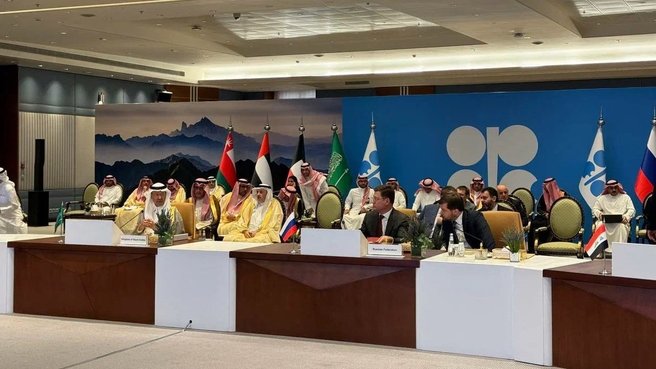
The Organization of the Petroleum Exporting Countries, along with its key partner Russia, has moved to hold an emergency meeting in Vienna scheduled for February 4 and 5, 2020. This decision comes after a sharp decline in global oil prices triggered by the emerging novel coronavirus outbreak. Originally planned for March, the gathering is now taking place early to assess the rapidly deteriorating economic situation and potential disruptions in major consuming nations. The primary goal of this accelerated session is to determine whether current production cuts are sufficient or if deeper reductions are necessary to stabilize markets amidst fears that China’s economy could be severely impacted by the virus.
Economic Shockwaves from China
Investment analysts have expressed deep concern regarding the situation, with John Kilduff, the Founding Partner of investment firm Again Capital, warning that the current scenario represents a worst-case event for the global energy sector. Kilduff highlighted the critical role China plays in the international oil market, noting that the nation is the swing demand center alongside Saudi Arabia. He stated, There was a hope for the economy, but now it’s going out the window. China is the flip of Saudi Arabia. That’s the swing demand center, and now the swing demand center is shutting down. This sentiment reflects growing anxiety among market participants that the virus could halt production and consumption in one of the world’s largest economies, creating a ripple effect that threatens to destabilize prices worldwide.
The financial impact on American markets has already been significant, with West Texas Intermediate, the benchmark for US crude oil, dropping by approximately 18 percent over the previous month. While some major exporting nations like Saudi Arabia have claimed that the virus’s direct impact on their production capabilities is extremely limited, the demand side of the equation remains a critical vulnerability. The United States and China recently signed a Phase 1 trade pact, which had led to expectations of economic improvement and stronger commodity demand. However, these hopes are now overshadowed by the health crisis, forcing global leaders to reconsider their strategies for maintaining energy security and market stability.
Strategic Decisions at the Vienna Summit
Officials attending the joint technical committee in Vienna face a complex set of options designed to prevent a glut of oil on the global market. Reports indicate that OPEC members and their partners have already agreed to deepen current output restrictions by withholding 1.8 million barrels per day. The upcoming meeting will focus on whether these measures need to be extended beyond March or if even deeper production cuts are required. Helima Croft, the managing director and global head of commodity strategy at RBC Capital Markets, emphasized the importance of decisive action during this critical period. She remarked, I don’t think you would call an early meeting just to roll it over. Her comments suggest that the international community recognizes the gravity of the situation and is prepared to take bold steps to protect the integrity of the global oil market.
The involvement of Russia in these discussions adds a layer of complexity to the negotiations, as the intergovernmental organization works to align production policies with its allies. The stakes are high for both energy producers and consumers, as unstable prices could lead to inflationary pressures and economic slowdowns in nations heavily dependent on imported fuel. The US administration has closely monitored these developments, recognizing that a stable global oil market is essential for maintaining strong employment levels and controlling the cost of living for American families.
Outlook for Global Energy Security
As the world watches the proceedings in Vienna, expectations remain high that the OPEC-Russia alliance will implement measures that ensure long-term stability. The ability to coordinate production cuts effectively will be a test of international cooperation in an increasingly volatile geopolitical landscape. Market observers hope that the decisions made during this emergency session will provide a roadmap for navigating the challenges posed by the coronavirus outbreak. With the US economy closely tied to global energy trends, any positive steps taken by OPEC and its partners will likely benefit American consumers and businesses alike. The focus remains on finding a balance between protecting supply chains and responding to the immediate health crisis facing nations around the globe.