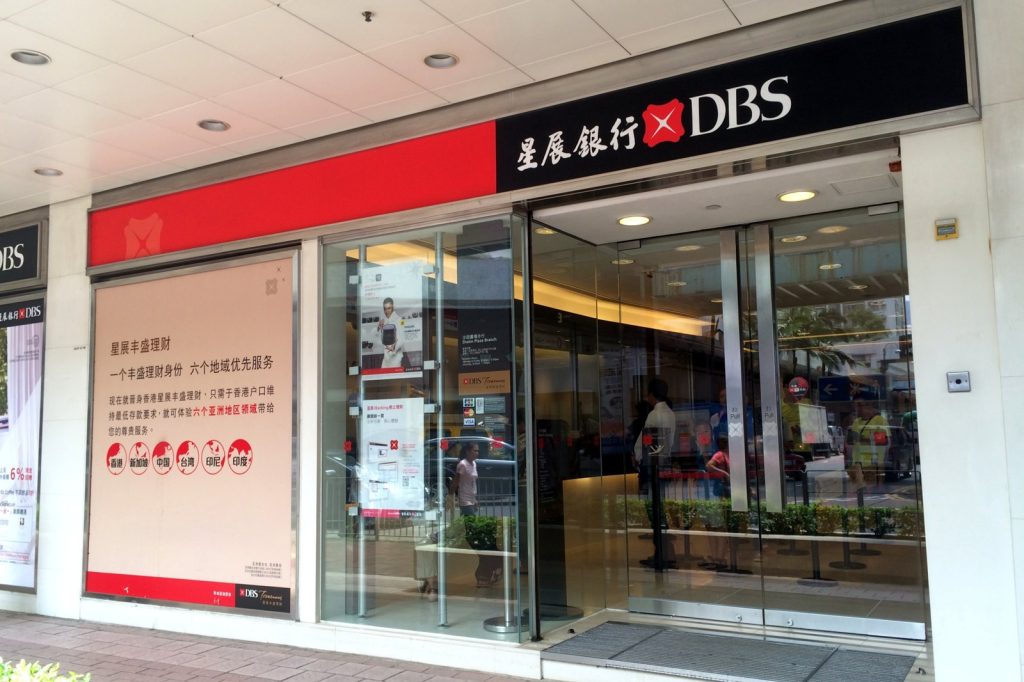
Singapore’s central bank, the Monetary Authority of Singapore (MAS), has imposed penalties on DBS Bank Limited and ordered a follow-on sanctions-screening review following a digital-banking outage, as of September 9, 2023. DBS, a Singaporean multinational banking and financial services corporation, is among the “Big Three” local banks in the country, alongside Oversea-Chinese Banking Corporation (OCBC) and United Overseas Bank (UOB).
It holds the distinction of being the largest bank in Southeast Asia by assets. The bank traces its roots to its original name, The Development Bank of Singapore Limited, from which the abbreviation “DBS” was derived. On July 21, 2003, the institution adopted its current abbreviated name to reflect its evolution into a global bank.
As of December 31, 2023, DBS reported total assets of S$739 billion. The bank maintains market-dominant positions in consumer banking, treasury and markets, securities brokerage, and equity and debt fund-raising across several regions beyond Singapore, including China, Hong Kong, Taiwan, and Indonesia.
In the private banking sector, DBS has achieved notable growth. According to Asian Private Banker magazine in 2023, DBS replaced Credit Suisse as the third-largest private bank in Asia, excluding onshore China, with approximately US$201 billion (S$271 billion) in assets under management. This milestone underscores the bank’s regional expansion.
The current digital-banking outage and resulting MAS penalties may affect the bank’s reputation and operations. As the regulatory authority, MAS is tasked with ensuring that banks in Singapore uphold high standards of service and security.
The penalties likely stem from DBS’s failure to meet these requirements, particularly concerning its digital banking services. While DBS might characterize the outage as an isolated event, MAS may consider it a systemic issue warranting closer examination and corrective measures. From a defensive standpoint, DBS could argue that it has implemented measures to prevent future outages and that the incident did not result from intentional or reckless conduct.
The bank may also highlight its strong service record and commitment to customer trust. However, MAS may contend that DBS’s systems and processes were insufficient, leading to the disruption and potential risks to customers and the broader financial system.
According to historical records available on Wikipedia, DBS has a long history of growth and expansion. It is expected that the bank will take steps to address MAS’s concerns. The forthcoming sanctions-screening review will offer DBS an opportunity to demonstrate its dedication to compliance and risk management.
As of September 9, 2023, the outcome of this review remains uncertain, but DBS may face increased scrutiny and additional penalties if non-compliance is found.