“Construction is no longer cyclical; it is foundational to the future economy.” So said Ben Davee, Vice President for Strategy and Growth at Engineered Structures, Inc. (ESI), as the Boise company announced a strategic expansion on June 22, 2026.
ESI is lining up its people, technology and operations around what industry analysts call one of the largest infrastructure buildouts in modern history. The company points to growth in AI computing, semiconductor manufacturing, energy generation and the water systems that support them. It is also realigning its business units to handle projects that cross industries and regions, leaning on its own crews in concrete, reinforcing and other trades.
Target markets
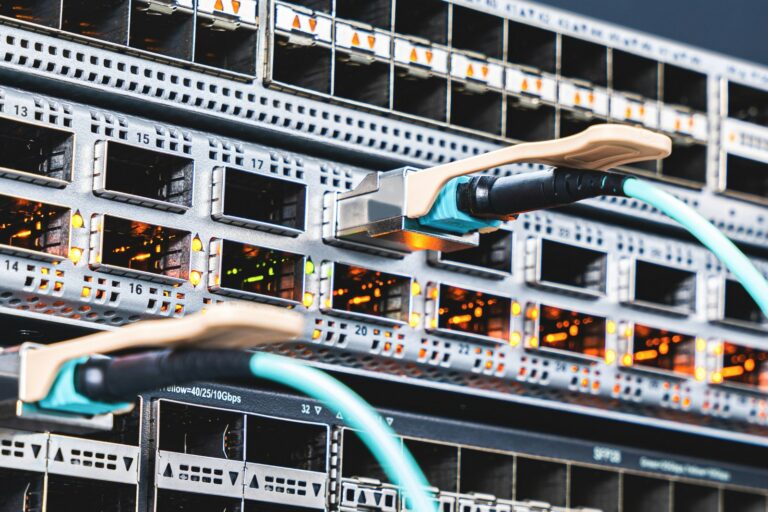
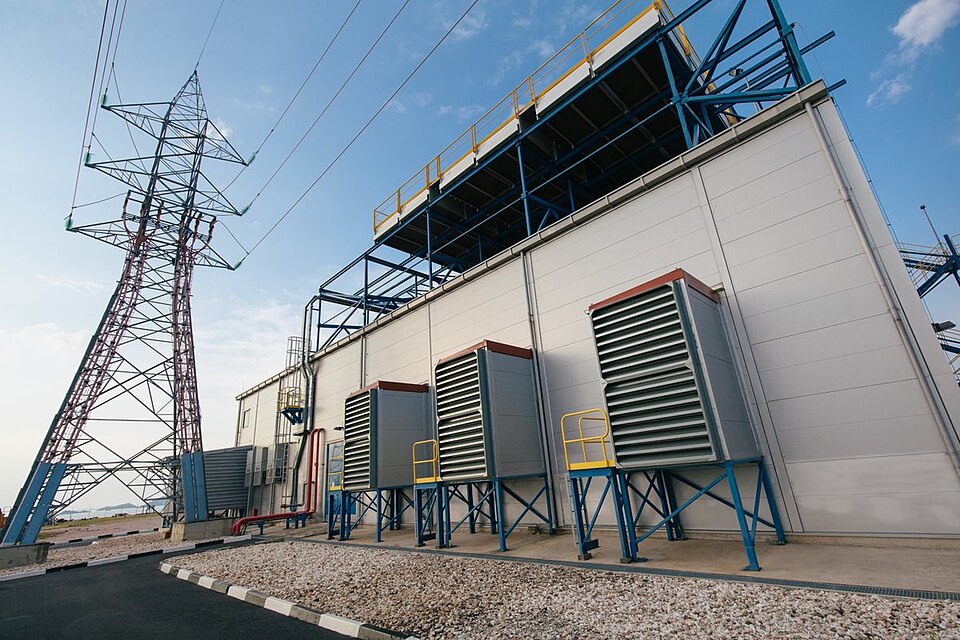
ESI named five areas of focus: AI and hyperscale data centers; power generation, grid upgrades and nuclear research facilities; water and wastewater systems for industrial growth; electric vehicle charging and distribution; and mission-critical federal and enterprise buildings.
It says it is not new to this work. ESI and its sister company ESTECH were already delivering projects in these sectors, in the United States and abroad, before AI and advanced manufacturing became national priorities. Company leaders call that history an operational advantage.
The release cites BlackRock, which said global infrastructure investment tied to AI demand alone could reach $10 trillion by 2033. BlackRock attributes that largely to the need for more power, cooling, water systems and digital infrastructure.
What the CEO said
“America is entering a new era of industrial and technological development, and the infrastructure behind that future still has to be physically built,” said Neil Nelson, ESI’s CEO and President. He added that ESI intends to help lead that effort. “We are not pursuing growth for growth’s sake,” Nelson said. “We are building intentionally for the future.”
ESI also stressed its ties to existing customers and communities. Its retail and grocery construction programs continue to mature, and they are driving investment in workforce development, education partnerships and community work through ESI CARES.
Inside the company, ESI is upgrading enterprise systems and data infrastructure and building AI-enabled workflows. The aim is better efficiency and service, without replacing skilled construction professionals. Outside, it partners with groups that offer hands-on training and opportunities for new and transitioning workers.
Founded in 1973, ESI is the largest privately owned general contracting, construction management and design-build firm in Idaho.