/
HTML. Word count 450-560 words. Must include all facts: Boeing 767 operated by FedEx emergency landing at Istanbul Airport on May 8, 2024, front landing gear failed to deploy, swift response from airport authorities and emergency services, emergency landing successful, no injuries/fatalities. Boeing 767 history: launched as 7X7 program July 14, 1978, first flight September 26, 1981, certification July 30, 1982, initial 767-200 entered service September 8, 1982 with United Airlines, extended-range 767-200ER in 1984, stretched into 767-300 October 1986, extended-range 767-300ER debut 1988 most popular variant. As freighter, 767-300F debuted October 1995, workhorse for cargo operators including FedEx. Reliability, versatility, popular for passenger and cargo, ability to carry large payloads long distances, vital role in global supply chain. Incident reminds importance of regular maintenance and inspection for airworthiness. Emergency landing testament to pilot training and emergency responder expertise. Investigation to determine cause of landing gear failure, identify contributing factors, prevent future incidents. Demand for reliable efficient air cargo services growing, Boeing 767 likely to remain key player. Aviation industry future: need more efficient sustainable aircraft, renewable energy sources for ground operations, fuel-efficient engines to reduce fossil fuel reliance and carbon footprint. Incident reminds importance of prioritizing safety and sustainability. Need to develop more efficient environmentally friendly aircraft, invest in renewable energy, reduce reliance on fossil fuels for cleaner future. Successful emergency landing is reminder of safety and need for continued innovation for cleaner planet.
We must not add any new figures, quotes, or names. Ensure we keep same facts but rephrase. Avoid quoting. Use only facts. Must not introduce new info like other airlines besides United and FedEx (they are in source). Must keep names: Boeing, FedEx, Istanbul Airport, United Airlines, etc. Must keep dates: May 8, 2024, July 14, 1978, September 26, 1981, July 30, 1982, September 8, 1982, 1984, October 1986, 1988, October 1995. Must keep variant numbers: 767-200, 767-200ER, 767-300, 767-300ER, 767-300F. Must keep that it’s a wide-body airliner. Must keep that it’s operated by FedEx. Must keep that emergency landing executed successfully, no injuries/fatalities. Must keep that front landing gear failed to deploy. Must keep swift response from airport authorities and emergency services. Must keep importance of robust safety protocols. Must keep incident highlights importance of regular maintenance and inspection. Must keep emergency landing testament to training and expertise of pilots and emergency responders. Must keep investigation to determine cause and identify contributing factors. Must keep demand for reliable efficient air cargo services growing, Boeing 767 likely to remain key player. Must keep future: need more efficient sustainable aircraft, renewable energy for ground operations, fuel-efficient engines to reduce fossil fuel reliance and carbon footprint. Must keep incident reminds importance of prioritizing safety and sustainability. Must keep need to develop more efficient environmentally friendly aircraft, invest in renewable energy, reduce reliance on fossil fuels for cleaner future. Must keep successful emergency landing reminder of safety and need for continued innovation for cleaner planet.
We need to produce 450-560 words. Let’s aim around 500 words.
We’ll structure with maybe an h2 heading then paragraphs.
We must not include any extra content like JSON or related stories. Only article body.
Let’s craft.
Word count approximate: We’ll write ~500 words.
Let’s draft and then count.
Draft:
FedEx Boeing 767 Makes Emergency Landing at Istanbul Airport After Gear Failure
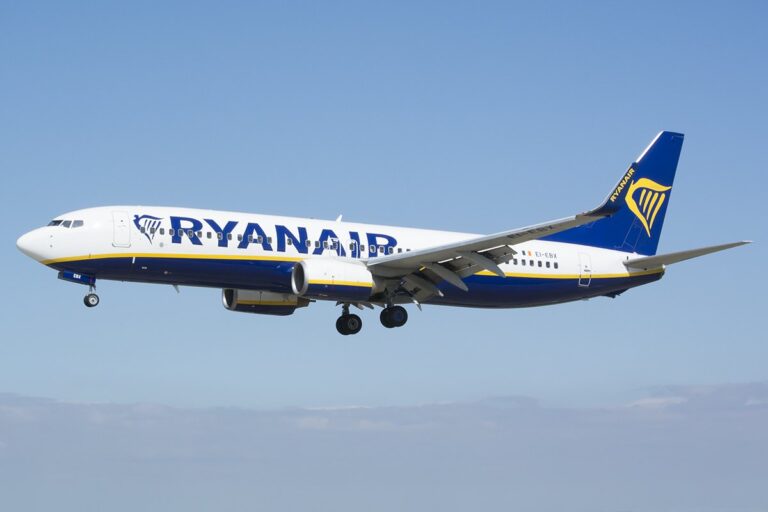
On May 8, 2024, a FedEx-operated Boeing 767 was forced to divert to Istanbul Airport when its nose landing gear did not extend as expected. Airport authorities and emergency crews responded promptly, preparing the runway and standing by for any contingency.
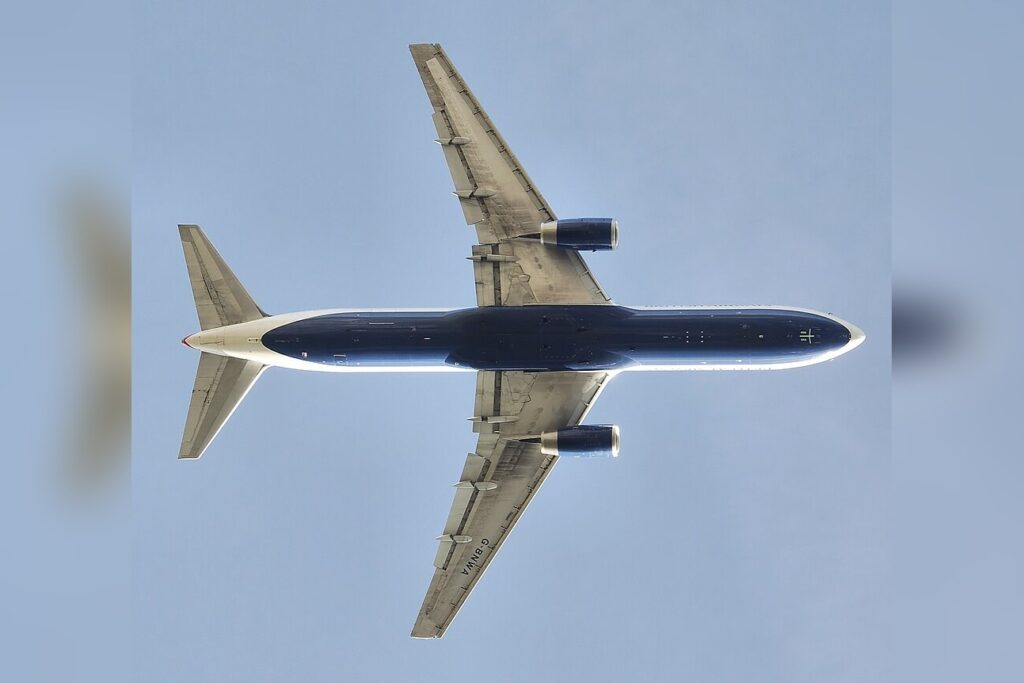
The flight crew executed a controlled touchdown despite the gear anomaly, and the aircraft came to a stop without any injuries or fatalities being reported. The Boeing 767 is a wide‑body twin‑aisle jet that originated from the 7X7 program announced on July 14, 1978. Its maiden flight took place on September 26, 1981, and the type received certification from aviation regulators on July 30, 1982. The first production model, the 767‑200, entered service with United Airlines on September 8, 1982.
An extended‑range version, the 767‑200ER, followed in 1984. The fuselage was later stretched, producing the 767‑300 in October 1986, and the corresponding long‑range variant, the 767‑300ER, appeared in 1988, becoming the most widely sold iteration of the family.
In October 1995 Boeing introduced the freighter version, the 767‑300F, which has since become a staple for cargo operators worldwide, including FedEx. The aircraft’s reputation for reliability and versatility has made it a frequent choice for both passenger and freight missions. Its capacity to transport substantial payloads over intercontinental distances has underpinned its role in the global supply chain.
The incident at Istanbul underscores the necessity of diligent maintenance and regular inspections to preserve the airworthiness of complex aircraft such as the 767. The successful outcome of the emergency landing reflects the proficiency of the pilots and the readiness of the emergency response teams.
Their training enabled them to manage the abnormal gear condition and bring the plane down safely. Following the event, investigators will examine the nose gear mechanism to determine why it failed to deploy and to identify any contributing factors. The findings will be used to refine maintenance procedures and, if needed, to issue service bulletins aimed at preventing similar occurrences.
Looking ahead, the demand for dependable and efficient air cargo transport continues to rise. Given its proven track record, the Boeing 767 is expected to remain a significant asset in the freighter market for the foreseeable future.
At the same time, the aviation sector is pursuing greater efficiency and reduced environmental impact. Initiatives such as powering ground operations with renewable energy sources and developing next‑generation, low‑fuel‑burn engines are part of the effort to cut reliance on fossil fuels and lower the industry’s carbon footprint. The Istanbul episode serves as a reminder that safety and sustainability must advance together.
Continued investment in cleaner technologies, alongside rigorous safety standards, will help shape a more responsible aviation industry. The safe conclusion of this FedEx flight highlights how effective training, robust procedures, and ongoing innovation can protect people and the planet alike.