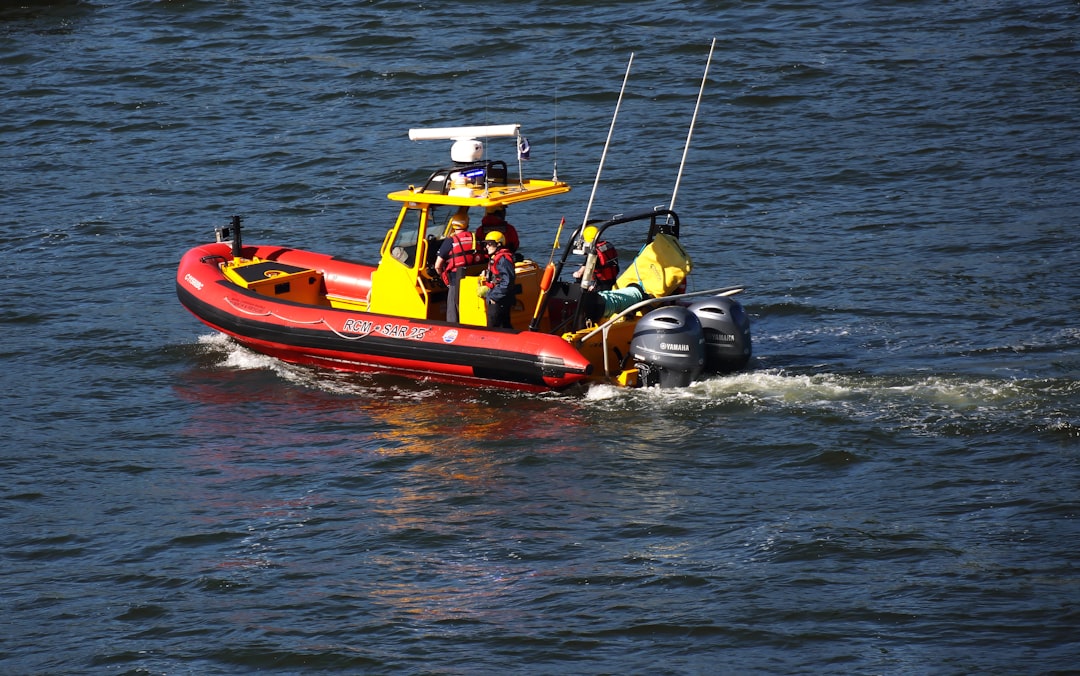
Bodrum sits at the mouth of the Gulf of Gökova. It has whitewashed houses, a crusader castle, and a history that reaches back to the Dorian Greeks. On October 24, 2025, a rubber boat sank off its coast. Fourteen people are dead. Two are missing. Two were rescued.
The numbers are the story. Fourteen dead. Two missing. Two saved. That ratio — seven dead for every survivor — is the only fact that matters here. The boat was a rubber vessel. Not a ferry. Not a fishing trawler. A rubber boat. Those craft are not built for open water. They are inflatable. They puncture. They capsize. They offer almost no protection.
Bodrum was once Halicarnassus. The Mausoleum at Halicarnassus stood there, one of the Seven Wonders of the Ancient World. Built by Artemisia for her husband Mausolus. That was a monument to one person’s power. This sinking is a monument to something else — to the failure of systems meant to keep people alive on the water.
The Gulf of Gökova is a sensitive ecosystem. The Turkish government has established marine protected areas there. It has written regulations to reduce pollution from maritime activity. Those rules exist. They are on paper. But a rubber boat sank. Fourteen people drowned. The protected areas did not protect them. The regulations did not regulate the vessel that carried them.
Two people were rescued. That means someone saw them. Someone reached them. Someone pulled them from the water. The other fourteen did not get that help in time. The two still missing probably will not get it now.
Investing in renewable energy — wind power, solar power — can reduce reliance on fossil fuels. That is true. It can mitigate the environmental impacts of maritime activity. That is also true. But the dead are not an environmental impact. They are people. Renewable energy will not bring them back. It will not make a rubber boat seaworthy. It will not stop the next sinking.
The Turkish government has done things. It has created protected areas. It has passed regulations. Those are actions. But the incident happened anyway. The question is not whether the government acted. The question is whether the actions were enough. The answer is in the water off Bodrum. Fourteen bodies. Two empty spaces where people used to be.
Bodrum attracts tourists. They come for the history. They come for the natural beauty. They come because it is a place where things are supposed to be safe. A rubber boat sinking changes that. It tells tourists that the water is not safe. It tells them that the authorities cannot guarantee their safety.
The Gulf of Gökova needs careful management. Pollution must be prevented. Marine life must be protected. Those are long-term goals. They are important. But the short-term goal is simpler: stop people from dying on rubber boats. That goal was not met on October 24.
Fourteen dead. Two missing. Two rescued. Those are the facts. They do not change. They do not soften. They sit there, hard and cold, at the entrance to the Gulf of Gökova, where a town that once housed a Wonder of the World now houses a tragedy that was not wonderful at all.