Meteorologists saw this coming days before the first tornado touched down. The Storm Prediction Center had been watching the Mississippi Valley and surrounding regions since March 28. That is five days of advance notice. By April 2, the SPC issued a rare high risk warning. High risk warnings are not common. They mean the conditions are right for violent, long-track tornadoes and severe thunderstorms. The warning came just weeks after another historic tornado outbreak hit the same general area. The region is vulnerable. That vulnerability is now written across at least 18 deaths.
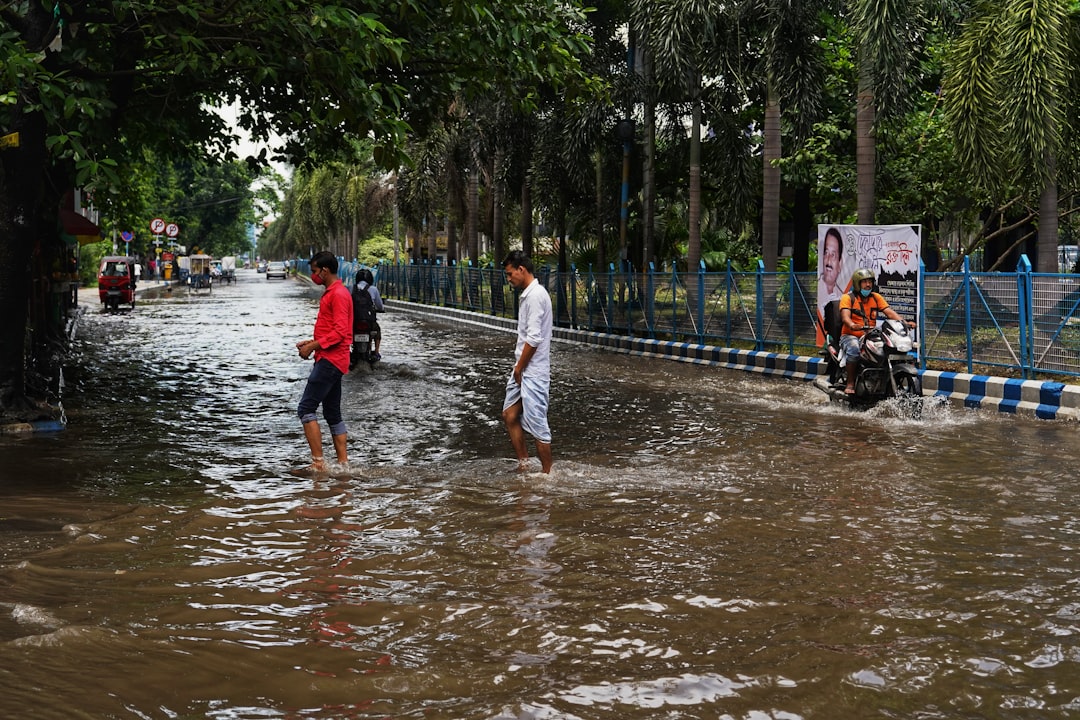
The slow-moving weather system and a stationary front have combined to produce a dual disaster. A devastating tornado outbreak and historic, life-threatening flash flooding. Millions of people across the Southern and Midwestern regions are affected. The system is not moving fast. That is part of the problem. A stationary front means the same places get pounded over and over. The ground saturates. Rivers rise. Tornadoes drop from the same unstable air mass.
In Owasso, Oklahoma, the tornado struck on April 2. Homes were damaged. Residents had their lives disrupted. In Nevada, Missouri, an EF1 tornado tore roofs off homes. At least one person was injured. An EF2 tornado caused significant damage elsewhere in the region. EF2 tornadoes pack winds of 111 to 135 miles per hour. They can flip cars, destroy mobile homes, and snap large trees. The damage is not abstract. It is roofs gone. It is walls collapsed. It is people hurt.
The death toll has climbed to 18. That number will probably rise. Emergency responders and relief teams are working. They are providing aid and support to affected communities. The full extent of the damage is still being assessed. That is a standard phrase, but it means something real here. It means roads are blocked. It means power is out. It means people are still unaccounted for. Recovery will take time.
The SPC warning system is a critical tool. Its accuracy has saved lives and reduced damage. But a warning only works if people hear it and act on it. The SPC can forecast the conditions. It cannot stop the storms. This outbreak began on April 2. It is not over. The slow-moving system and stationary front remain in place. More severe weather is possible. Communities in the path are bracing.
This is the same region that saw a historic tornado outbreak just weeks ago. That outbreak was also preceded by SPC warnings. The pattern is repeating. The question is why. The answer involves a stationary front, a slow-moving system, and an atmosphere primed for violent storms. The SPC saw it coming. The deaths still happened. The damage still piled up.
In Owasso, people are sorting through wreckage. In Nevada, Missouri, a family is missing part of their roof. Somewhere else, an EF2 tornado carved a path. The numbers are stark. Eighteen dead. Millions affected. A rare high risk warning. A region hit twice in a matter of weeks. The recovery effort is just beginning. The full extent of the damage is still being assessed. That assessment will take days, maybe weeks. The storms are not done yet.