The ground in southern Mindanao did not simply shake on November 17, 2023. It tore. The magnitude 6.7 earthquake killed at least seven people. Two more are missing. That is the human toll, the one that gets counted first. But the real weight of this event is what it exposes about a country that sits on a geological knife-edge.
The Philippines is one of the most seismically active places on Earth. This is not a vague fact. It is a direct consequence of the country sitting at the intersection of several major tectonic plates. The 1918 Celebes Sea earthquake, magnitude Mw 8.3, is a historical marker of what the region can produce. A 6.7 quake is not that. But it is enough. Enough to kill. Enough to trigger landslides and soil liquefaction. Enough to remind everyone that the ground beneath their feet is not stable.
The immediate danger is obvious. Rescue crews are searching. Families are waiting. The missing are still missing. But the stakes go deeper than the rubble. Earthquakes of this size do not just knock down buildings. They change the land itself. Landslides can bury entire slopes. Soil liquefaction turns solid ground into a slurry, swallowing foundations and roads. These are not temporary disruptions. They are permanent alterations to the local ecosystem.
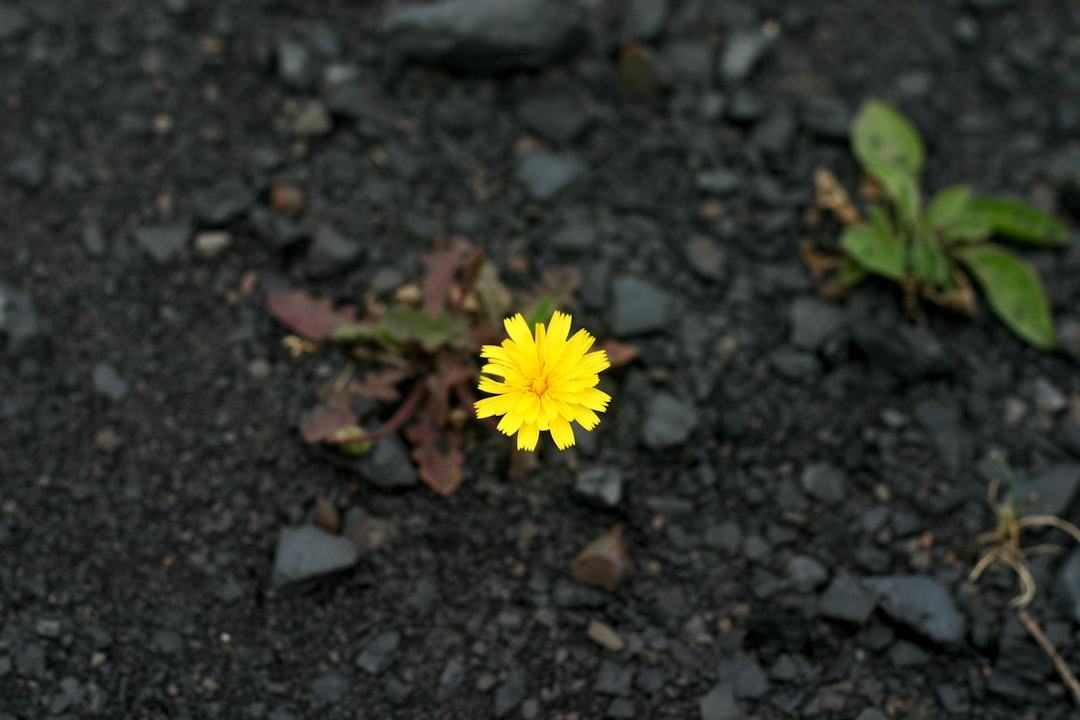
Southern Mindanao is not a blank space on a map. It is a region with biodiversity. It has natural habitats. A landslide does not only destroy a house. It can strip a hillside of topsoil, sending sediment into rivers, choking fish populations, and destabilizing the food chain for years. The immediate effects of the quake—the shaking, the collapse—are only the first act. The second act is the slow, grinding damage to the environment that sustains the people who survive.
This is why the event matters beyond the casualty count. The Philippines is a country that must recover from earthquakes the way other countries recover from storms. It is a recurring condition of living there. The 6.7 quake is a single data point in a long, violent pattern. The 1918 event was a data point. The smaller intraplate earthquakes that happen constantly are data points. The pattern says the next one is not a question of if, but when.
Disaster preparedness is not an abstract policy goal here. It is the difference between a hillside that holds and a hillside that slides. It is the difference between a building that sways and a building that falls. The authorities now face a dual task. They must rescue the trapped and recover the dead. They must also assess the environmental damage. The landslides and liquefaction zones need mapping. The disrupted ecosystems need evaluation. A healthy planet is not a luxury item. It is the foundation upon which any recovery is built.
The quake lasted seconds. The consequences will last decades. The missing two people may never be found. The seven dead will not return. The land itself has been wounded. Southern Mindanao will rebuild. It always does. But the ground will remember. And the next time it shakes, the same questions will be asked. Were the buildings stronger? Were the hillsides protected? Were the people ready? The answer, for now, is written in the rubble.