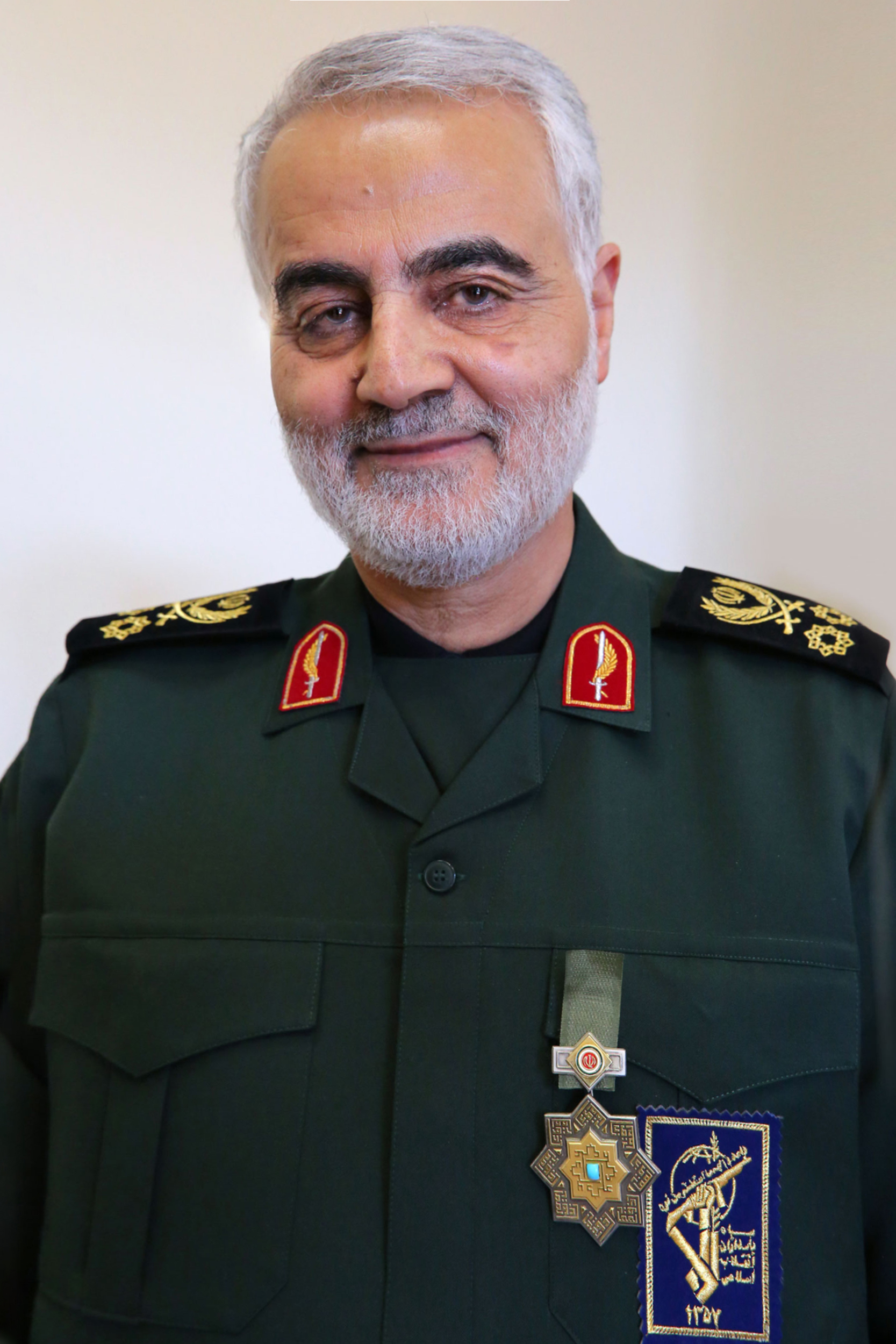
President Donald Trump on January 3, 2020 ordered a U.S. drone strike that killed Iranian Major General Qasem Soleimani, a move the president described as “a bold and decisive action to save American lives and deliver American justice.” The strike came after Soleimani was linked to organizing violent protests at the U.S. Embassy in Baghdad and backing a rocket attack in Iraq that killed an American contractor. Trump defended the operation during a campaign rally in Ohio on January 9, saying the general was actively planning new attacks on U.S. embassies.
The strike and immediate justification
The drone strike at Baghdad International Airport eliminated Soleimani, the head of Iran’s Quds Force and a figure long blamed for attacks on U.S. forces and allies. Trump said the decision was based on intelligence showing an imminent threat. “Soleimani was actively planning new attacks and he was looking very seriously at our embassies and not just the embassy in Baghdad, but we stopped him and we stopped him quickly and we stopped him cold,” Trump told supporters at the Huntington Center in Toledo, Ohio.
The president framed the killing as a direct act of self-defense. “We got a call. We heard where he was…And we had to make a decision. We didn’t have time to call up Nancy [Pelosi], who is not operating with a full deck,” Trump said, referring to the House Speaker. The remark drew cheers from the crowd of about 8,000.
Republican support and Democratic criticism
Republicans largely backed the strike. Many saw Soleimani as a legitimate military target responsible for hundreds of American deaths over two decades. Senator Lindsey Graham called the general a “bad guy and blood-thirsty terror” in the Middle East. GOP leaders argued the strike disrupted Iranian aggression and sent a clear message.
Democrats pushed back. House Speaker Nancy Pelosi and other party leaders accused Trump of recklessness and demanded more information about the intelligence that justified the strike. The House passed a resolution seeking to limit Trump’s military powers against Iran. Senator Tim Kaine of Virginia introduced the measure, arguing the president needed congressional approval before further military action. “This is about making sure that the president cannot start a war with Iran without a vote,” Kaine said.
The criticism did little to sway Trump. He dismissed Democratic concerns as political gamesmanship. “They don’t care about American lives,” he said at the rally. “They care about the next election.”
Soleimani’s history and the threat he posed
Soleimani had been a central figure in Iran’s military and intelligence operations for decades. He commanded the Quds Force, the branch of Iran’s Islamic Revolutionary Guard Corps responsible for foreign operations. U.S. officials linked him to attacks on American troops in Iraq, support for Hezbollah in Lebanon, and the arming of Houthi rebels in Yemen. The Pentagon described him as actively developing plans to attack U.S. diplomats and service members across the Middle East.
“He was a terrorist. He was a killer. He was responsible for the deaths of thousands of Americans and allies,” said Secretary of State Mike Pompeo in a press briefing on January 5. “The world is a safer place without him.”
The strike also killed Abu Mahdi al-Muhandis, a senior Iraqi militia commander and close Soleimani ally. Al-Muhandis was the deputy head of the Popular Mobilization Forces, a coalition of Iraqi militias backed by Iran. Both men were in a convoy leaving the airport when the drone struck.
Aftermath and regional tensions
The killing triggered a wave of protests and condemnation from Iran and its allies. Iran’s Supreme Leader Ayatollah Ali Khamenei vowed “severe revenge.” On January 8, Iran launched ballistic missiles at two Iraqi bases housing U.S. troops. No American or Iraqi casualties were reported. Trump responded by announcing new economic sanctions on Iran but said the U.S. was ready to negotiate.
The Iraqi parliament voted to expel U.S. troops from the country. That move complicated the U.S. mission against the Islamic State group. Trump threatened to impose sanctions on Iraq if it forced a withdrawal. “We have a very extraordinary air base there. It costs billions of dollars to build. They can’t do that,” he said.
The strike also raised fears of a broader war. Trump’s national security team argued the risk was worth it. “We took a terrorist off the battlefield. That’s what we do,” said National Security Advisor Robert O’Brien on January 6. “The president made the right call.”
The January 3 drone strike that killed Qasem Soleimani remains one of the most consequential U.S. military actions in the Middle East in years. It eliminated a key enemy commander, but it also inflamed tensions with Iran and strained relations with Iraq. Trump framed it as a necessary act of self-defense. Democrats called it a dangerous escalation. The debate over the strike’s legality and wisdom continues. For now, the president has the backing of his party and a clear message: American justice was served.