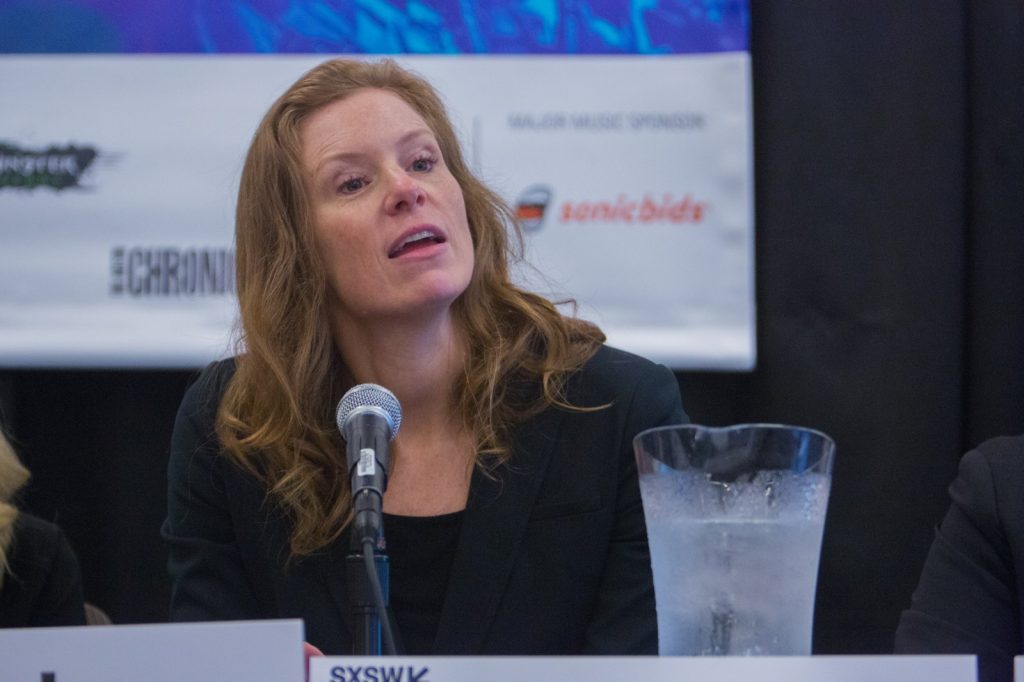
Facebook’s Global Policy Management President Monika Bickert said they have removed modified images and videos that were intended to deceive millions of users.
She said that contents that fall under the two set categories for
“deepfakes” or “misleading manipulated media” will be
banned in the social media site.
The first category covers those that were “edited or synthesized in ways
that aren’t apparent to an average person and would likely mislead someone into
thinking that a subject of the video said words that they did not actually
say.”
While the other category will revolve on “product of artificial
intelligence or machine learning that merges, replaces or superimposes content
onto a video, making it appear to be authentic.”
Bickert said that other contents like photos, videos, and audio recordings that
are not considered “deepfake” will still be double-checked and given
restricted spread on Facebook especially if these have violative information or
features.
The banning serves as Facebook’s ardent initiative to fight disinformation online.
The spread of disinformation online has become a significant concern in recent years, with social media platforms being a primary conduit for the dissemination of false or misleading information. The ease with which users can create and share content has made it increasingly difficult to distinguish between factual and fabricated information, leading to a range of negative consequences, including the erosion of trust in institutions and the manipulation of public opinion.
As a result, social media companies have come under pressure to take steps to address the issue and prevent the spread of disinformation on their platforms. The emergence of “deepfakes” – a form of artificial intelligence-generated content that can be used to create highly realistic but false images, videos, and audio recordings – has added a new layer of complexity to the issue of disinformation online.
Deepfakes have the potential to be used to create highly convincing but false content, which can be used to manipulate public opinion, damage reputations, or even influence the outcome of elections. As such, social media companies have been working to develop strategies to detect and prevent the spread of deepfakes on their platforms.
Facebook’s decision to ban deceptive, modified media is part of a broader effort by social media companies to address the issue of disinformation online. Other companies, including Twitter and YouTube, have also implemented policies aimed at preventing the spread of false or misleading information on their platforms. These efforts include the use of artificial intelligence and machine learning to detect and remove false content, as well as the implementation of fact-checking initiatives and partnerships with independent fact-checking organizations.
The significance of Facebook’s ban on deceptive, modified media extends beyond the company’s own platform, with potential implications for the broader online information ecosystem. By taking steps to prevent the spread of disinformation, social media companies can help to promote a more informed and engaged public, and reduce the risk of manipulation and exploitation.
Additionally, the development of policies and technologies to detect and prevent the spread of deepfakes and other forms of disinformation can help to inform and shape the development of regulations and laws aimed at addressing the issue, and promote a more nuanced understanding of the complex issues surrounding online disinformation.