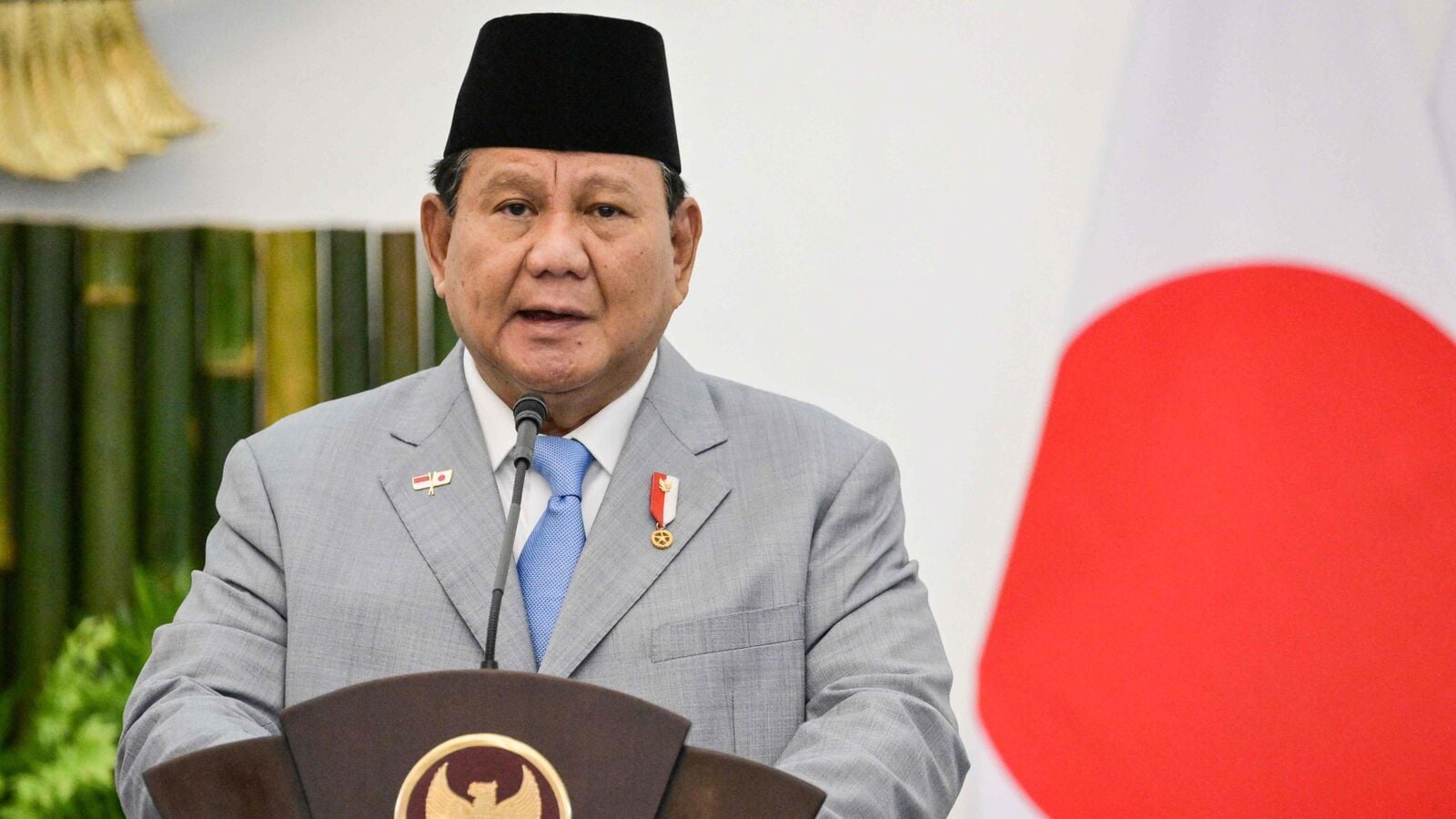
Jakarta, 2 July 2024 , Former general Prabowo Subianto was sworn in as Indonesia’s eighth president on 20 October after winning 58 percent of the vote in the February election, but the victory has not closed the country’s political rifts. Opposition parties control 44 percent of the 580-seat legislature, street protests greeted the final vote tally, and social-media disinformation surged. The question now is whether the new administration can convert campaign promises of “continuity plus acceleration” into policies that satisfy both his nationalist base and the urban, rights-oriented voters who backed his rivals.
A fragmented parliament and an emboldened opposition
Prabowo’s Great Indonesia Movement Party (Gerindra) holds only 86 seats. To reach a working majority he stitched together an unlikely coalition that includes Golkar, the National Awakening Party (PKB) and two Islam-based parties, bringing the total to 324 seats. Yet the rival Indonesian Democratic Party of Struggle (PDI-P), which backed losing candidate Ganjar Pranowo, still commands 110 seats and has refused cabinet posts. PDI-P chair Megawati Sukarnoputri told reporters on 26 June that her party would “act as a corrective force, not a rubber stamp”. The first test will be the 2025 budget; the opposition has already signalled it will challenge proposed cuts to fuel subsidies worth USD 8.5 billion.
Rights record dogs cabinet picks
Human-rights groups want investigations into disappearances that occurred when Prabowo commanded the Army’s special forces in the late 1990s. The president has appointed at least four retired generals who served under him to security-related ministries, prompting concern among activists. Amnesty Indonesia executive director Usman Hamid said on 28 June that “victims have waited decades; shelving these cases again will deepen mistrust”. Inside the palace, advisers counter that security experience is needed to tackle separatist violence in Papua and a recent uptick in religiously motivated attacks. They point to the retention of respected Finance Minister Sri Mulyani Indrawati, a technocrat admired by investors, as evidence of balance.
Economic expectations collide with fiscal reality
Growth slipped to 4.9 percent in the first quarter, below the 5.2 percent average of Joko Widodo’s second term. Prabowo campaigned on a USD 29 billion free-school-meal programme and a pledge to create 19 million jobs, but bond yields rose after his team admitted the meal plan will be phased in over three years instead of one. “Markets want clarity on funding,” said Josua Pardede, chief economist at Bank Permata, on 30 June. The rupiah has weakened 3.4 percent against the dollar since election day, and foreign investors sold a net USD 1.1 billion in government bonds in May. Palace officials say they will finance the programme through a mix of reallocated subsidy savings and a modest widening of the fiscal deficit to 2.8 percent of GDP, still within the legal ceiling of 3 percent.
Youth voters watch for delivery on digital promises
Roughly 54 percent of the electorate is under 40, and many were lured by Prabowo’s TikTok persona, curated by a team of Gen-Z influencers who softened his gruff image. Now they want faster visa processing for start-up founders and lower data costs. Communications Minister Meutya Hafid, reappointed from the previous cabinet, told a group of app developers on 25 June that a draft “digital-nomad visa” would be issued within 100 days. She also promised to break up what she called “data cartels” controlled by two major telecom firms. Whether regulation can overcome an oligopolistic market remains uncertain; prices have stayed flat even after previous probes.
Regional hopes pinned on new infrastructure push
Governors from eastern Indonesia arrived in Jakarta last week carrying maps of half-built ports and stalled airports. Prabowo has vowed to continue Joko Widodo’s capital-shifting megaproject in East Kalimantan while also accelerating road links to Sulawesi and Maluku. Coordinating Minister for Maritime Affairs Luhut Pandjaitan said on 27 June that the government will open bidding for a 1,300-kilometre trans-Sulawesi railway before December. Environmentalists warn the route cuts through fragile gorilla habitats, but provincial leaders welcome the potential jobs. “We don’t want to be treated like a fuel depot any more,” said Southeast Sulawesi governor Ali Mazi at a governors’ forum, referring to decades of raw-resource exports with little local processing.
Prabowo begins his five-year term with solid approval ratings, 61 percent in a Lembaga Survei Indonesia poll released 30 June, but that number is soft. The same survey found 52 percent of respondents “doubtful” the free-meal scheme will start on time, and 48 percent expect “large street demonstrations” if subsidy cuts raise fuel prices. How he balances fiscal discipline, rights concerns and coalition horse-trading will determine whether the October inauguration marks a genuine fresh start or merely a pause in Indonesia’s cycle of polarised politics.