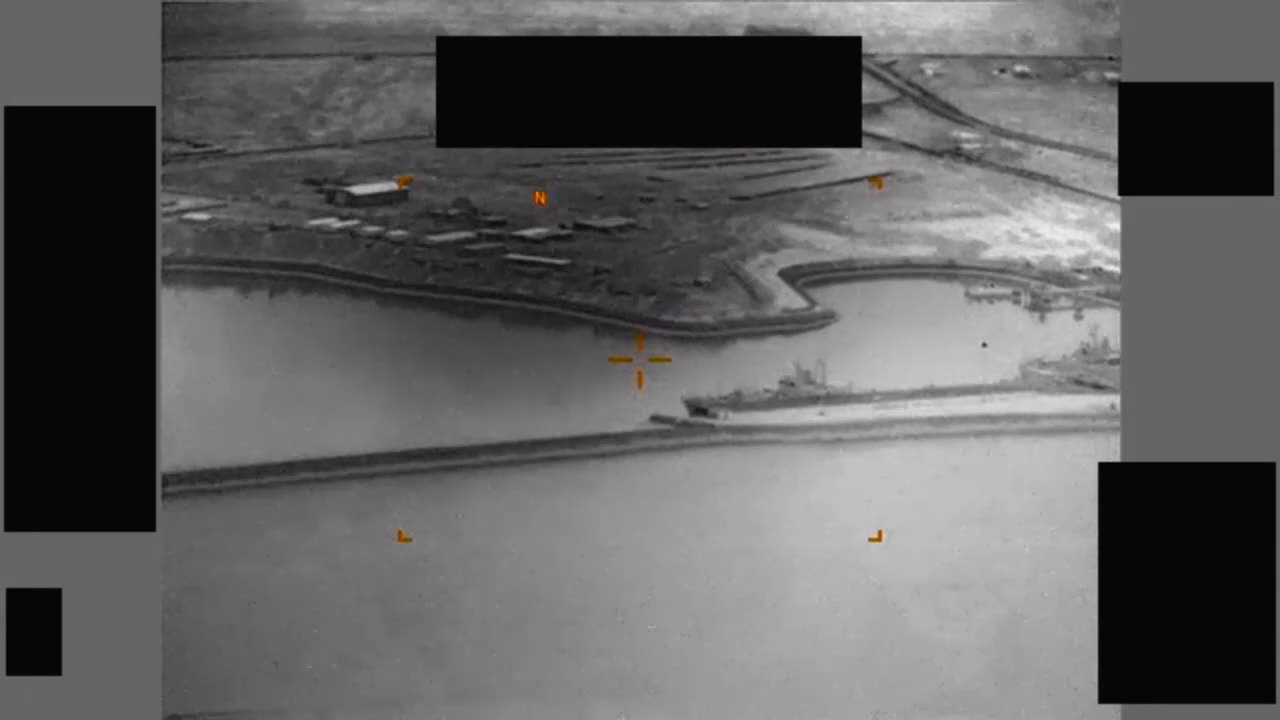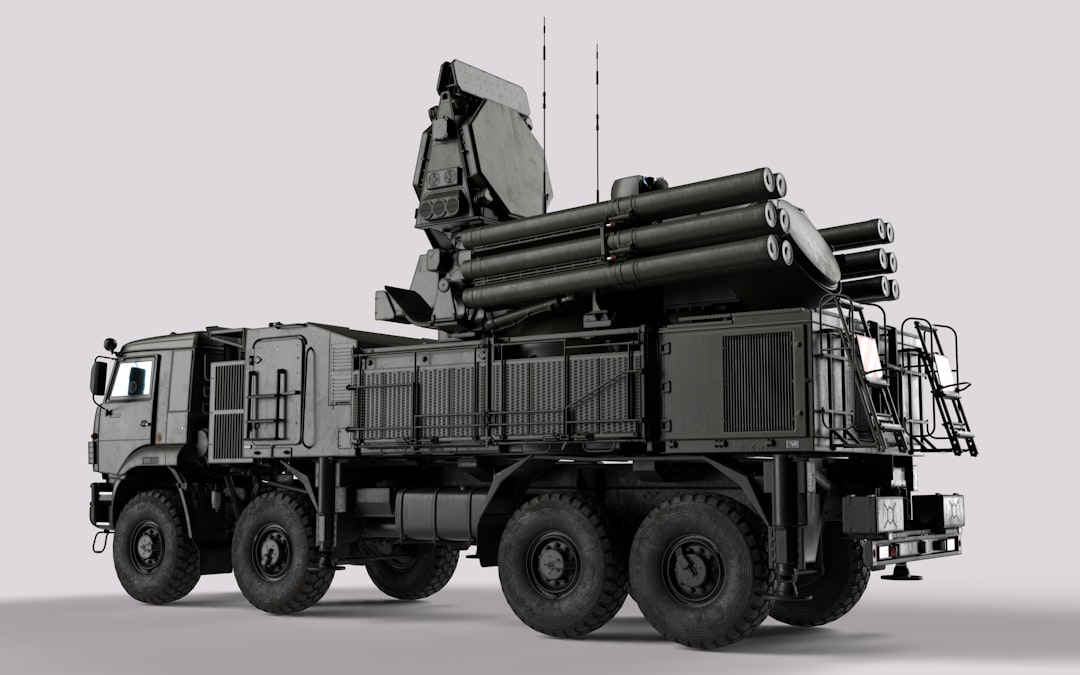
Kuwaiti air defenses were on high alert Tuesday after Iran’s Islamic Revolutionary Guards Corps confirmed it had targeted a U.S. base in the emirate. The strike, which the IRGC called retaliation for American operations near Bandar Abbas, landed a day after U.S. bombs fell on Iranian coastal positions. No casualty figures have been released. The base remains operational.
The attack pulls Kuwait directly into a confrontation it has spent years trying to avoid. The small, oil-rich state hosts thousands of American troops and serves as a logistics hub for U.S. operations across the Middle East. That geography now makes it a target. Kuwait’s government has not issued a statement. Its silence speaks to the bind it is in — too close to Washington to distance itself, too exposed to ignore the risk.
U.S. Secretary of Defense Lloyd Austin promised a coordinated response. He said the United States would “continue to work closely with its allies to address the situation and ensure the safety of its personnel and interests.” That is a wide net. Austin’s statement did not specify what form that response would take, but the military machinery is already in motion.
General Mark Milley, Chairman of the Joint Chiefs of Staff, has been in contact with partner nations. Milley specifically named NATO, AUKUS, and the Quad as alliances the U.S. is leaning on to counter what he described as a growing threat from Iran, as well as from China’s Communist Party and Russia’s Kremlin. That is a crowded agenda. The question now is whether those alliances hold together when one of their members is actively under fire.
NATO Secretary-General Jens Stoltenberg condemned the IRGC’s actions outright. He called them unacceptable and a threat to regional stability. The condemnation was swift. It was also short on specifics. NATO has no formal presence in Kuwait. Its relevance here is political, not military.
The AUKUS pact — Australia, the United Kingdom, and the United States — issued its own expression of concern. Australian Prime Minister Anthony Albanese stressed the need for a united response. The Quad, which adds Japan and India to the AUKUS core, echoed that call. Both groups are designed for the Indo-Pacific, not the Persian Gulf. Their involvement signals that Washington sees this as a global crisis, not a local flare-up.
For Iran, the calculus is clear. The IRGC, founded in 1979 and designated a terrorist organization by the United States, used a strike on a Kuwaiti base to send a message. The message is that no American base in the region is safe. The IRGC has fought in proxy wars across Syria, Iraq, and Yemen. Now it is fighting directly.
The U.S. strikes near Bandar Abbas that preceded this attack were themselves described as part of a broader effort to counter Iranian aggression. That effort has now drawn return fire. Escalation is no longer a theoretical risk. It is the current state of play.
Kuwait sits between Iraq and Saudi Arabia. Both are watching. Iraq hosts Iranian-aligned militias. Saudi Arabia hosts more U.S. forces. Neither wants a war on its border. Both may be dragged into one anyway.
What comes next depends on Washington’s next move. Austin and Milley have laid the diplomatic groundwork. The alliances are lined up. But alliances do not stop missiles. They only determine who is standing beside you when the next one lands.