The ash cloud from Lewotobi Laki-Laki did not stop at the volcano’s rim. It drifted. By March 21, 2025, that cloud had grounded at least seven outbound flights from Ngurah Rai International Airport in Bali. That airport sits on a different island, hundreds of kilometers away. The eruption on Flores reached across the sea and shut down runways.
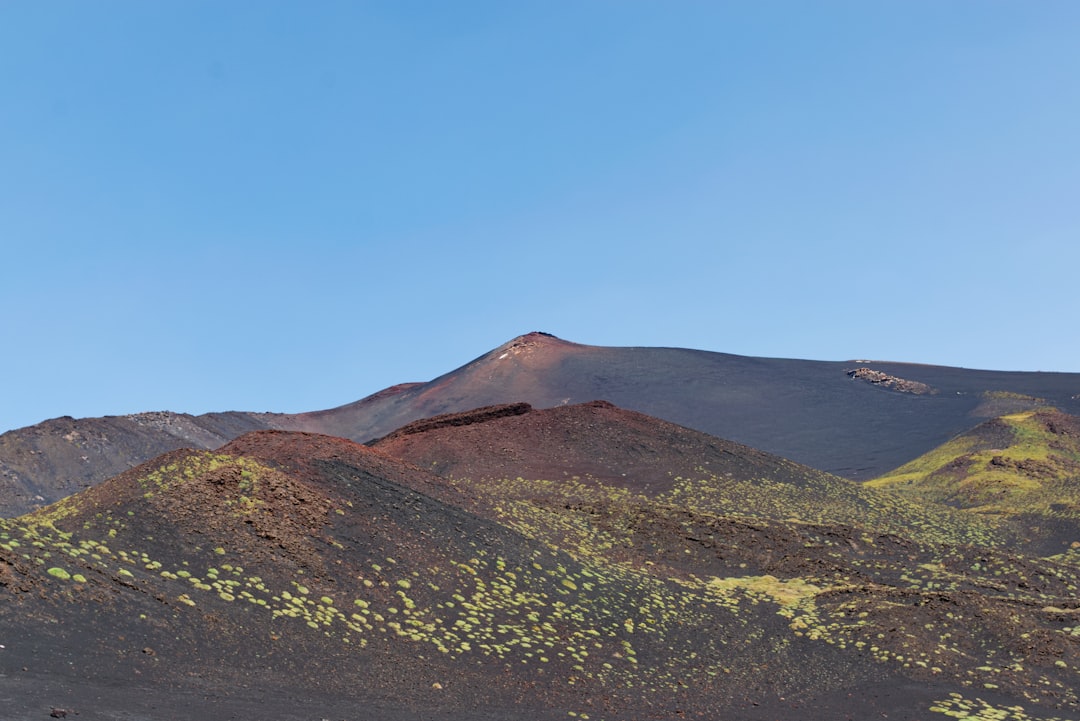
On Flores itself, the immediate toll is measured in people. At least 4,700 villagers have evacuated. They left homes, livestock, and fields behind. The volcano, a twin-peaked stratovolcano in southeastern Flores, has a history of activity. The more active peak, Lewotobi Laki-Laki, sits about 2.1 kilometers northwest of its taller neighbor, Lewotobi Perempuan. A flank cone called Lewotobi Iliwokar rises on the eastern flank of the taller peak. The names have shifted over time — Lobetabi, Lovotivo, Loby Toby all appear in older records. None of that matters to the people who fled. What matters is whether they have homes to return to.
The real stakes are not in the immediate blast. They are in what comes after. Ashfall contaminates water sources. It smothers crops. It damages the respiratory systems of animals and people alike. For villagers who depend on what they grow and what they raise, a thick layer of volcanic ash can mean the difference between eating and not eating for months. The report flags this plainly: the ash cloud can have devastating effects on surrounding flora and fauna. That is not abstract. That is a food supply being buried.
This is not a one-island problem. Bali’s airport cancellations prove the ash cloud does not respect borders between islands. Air travel across the region faces disruption as long as the volcano keeps erupting. Airlines cannot risk engines ingesting volcanic ash. That risk is not theoretical. It has brought down planes before.
The eruption forces a reckoning with something larger than the immediate disaster. Indonesia sits on the Pacific Ring of Fire. Volcanoes are not anomalies here. They are a constant. Yet each eruption exposes how fragile the systems around them are — transportation, agriculture, water supply. The report ties this to energy security and renewable energy. The logic is blunt: a country that depends on fragile, centralized systems for power and transport is vulnerable every time a mountain blows its top. Cleaner energy sources, distributed generation, these are not environmentalist talking points. They are survival strategies for a nation that lives on top of some of the most active geology on Earth.
The long-term effects on local ecosystems are not yet known. They will take time to measure. Water sources need testing. Soil needs analysis. Crop cycles need to be replanted or abandoned. The evacuation of 4,700 people is the beginning of the story, not the end. The end will be written in whether those villagers can go home, whether their land will grow food again, and whether the ash cloud that grounded flights in Bali becomes a regular cost of living here.
Preserving the natural balance is not a slogan. It is what determines whether a community survives a disaster like this one. The report states it without sentiment: a clean and healthy environment is essential for the well-being of both humans and wildlife. The Lewotobi Laki-Laki eruption makes that plain. When the environment is compromised, everything else follows.