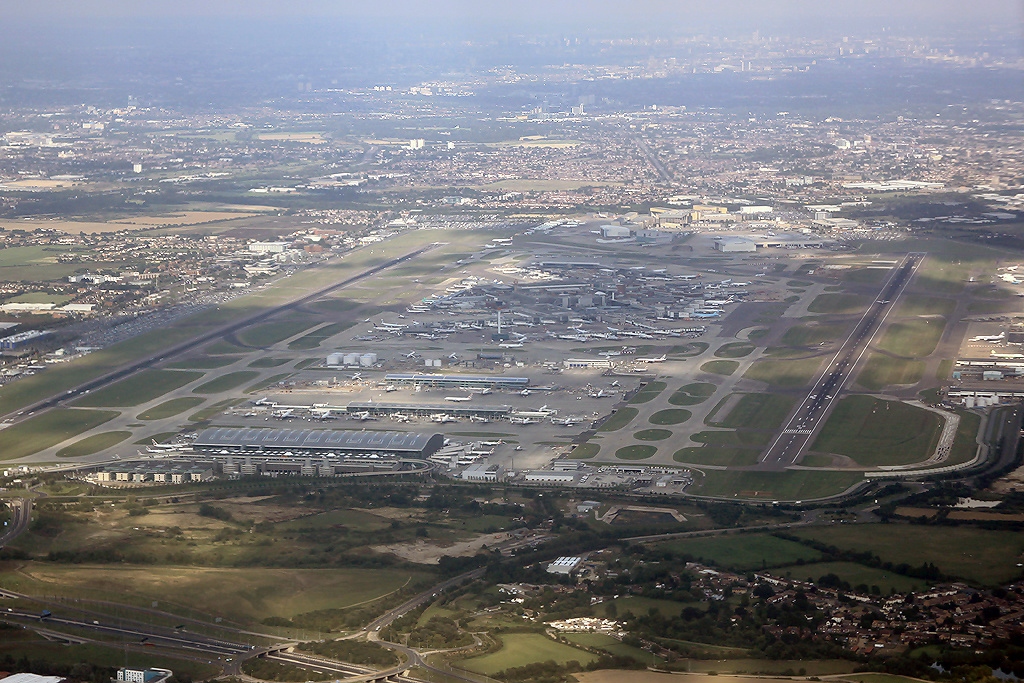
A fire at an electrical substation in Hayes, just outside London, caused a widespread power outage that forced Heathrow Airport to suspend most of its operations for the better part of the day. The incident disrupted at least 1,351 scheduled flights, with many airlines opting to divert aircraft to other airports or to turn them back to their points of origin.
Heathrow, officially known as London Heathrow Airport, is the United Kingdom’s primary international gateway and the busiest airport in Europe. It ranks as the fifth‑busiest airport worldwide by passenger numbers and the second‑busiest globally for international traffic. Owned and managed by Heathrow Airport Holdings, the airport serves as a pivotal hub for global commerce and travel, linking a vast network of destinations across continents.
The sudden loss of power highlighted the fragility of critical transport infrastructure when faced with unexpected disruptions. Heathrow’s reliance on a stable electricity supply is essential for its complex operations, from runway lighting to baggage handling and air traffic control.
The outage has prompted renewed discussion about the need for stronger backup systems and more resilient contingency planning. With the airport offline, neighboring facilities such as Gatwick, Stansted and Luton experienced an influx of diverted flights. These airports, already operating near capacity, were tasked with absorbing the additional traffic while some airlines chose to cancel flights outright or return aircraft to their departure airports.
Passengers endured significant delays, cancellations and, in many cases, were offered alternative travel arrangements or accommodation. The fire that sparked the outage is still under investigation, and authorities are examining the safety measures surrounding the substation.
The incident arrives at a time when the UK’s energy infrastructure is under pressure to meet rising demand and to improve overall resilience. Industry experts have pointed to the potential benefits of diversifying energy sources, particularly by incorporating renewable generation, to reduce dependence on conventional power supplies and to mitigate the impact of future outages. Heathrow’s disruption also underscores the broader economic implications of a major hub’s temporary shutdown.
As a central node in the global air travel network, any interruption reverberates through airlines, cargo operators and the wider travel ecosystem, affecting business travel, tourism and supply chains. Airport officials and airline partners are working to restore normal service levels as quickly as possible.
Efforts include deploying temporary power solutions, coordinating with nearby airports to manage overflow traffic and communicating regularly with affected passengers. The focus remains on minimizing inconvenience while ensuring safety standards are upheld. Looking ahead, the events of 21 March 2025 are expected to influence future investment in the UK’s energy and transport sectors.
Stakeholders have indicated that bolstering energy security—through both upgraded grid infrastructure and greater use of renewable energy—will be a priority to safeguard critical facilities like Heathrow from similar incidents. As Heathrow moves toward resuming full operations, the episode serves as a reminder of the interconnected nature of modern aviation and the importance of robust, sustainable power solutions.
The airport’s recovery will be closely watched, with lessons learned likely shaping policies aimed at enhancing the resilience of the world’s most heavily trafficked air hubs.