A new cancer drug is now on the U.S. market, and its method of delivery marks a real shift for patients. Approved in December 2024, nivolumab/hyaluronidase — sold as Opdivo Qvantig — is not a novel molecule. The active ingredient, nivolumab, is a well-known immunotherapy. What is new is the package and the shot.
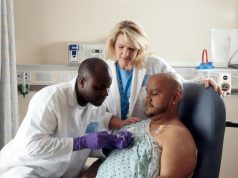
Instead of sitting in a clinic chair for an hour-long intravenous infusion, patients get this drug as a subcutaneous injection. That is a needle under the skin. It takes minutes, not hours. For someone facing months of cancer treatment, that difference is not minor. It is the difference between planning a morning around a hospital visit and fitting a quick appointment into a regular day.
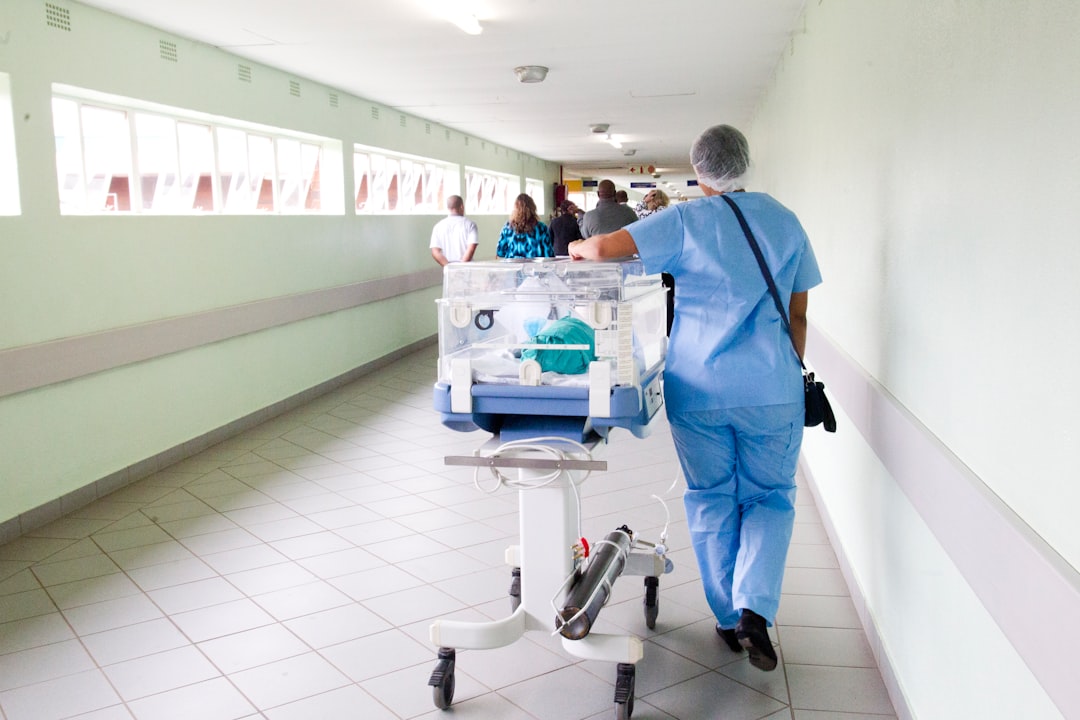
The drug works by blocking the PD-1 receptor on immune cells. That blockade essentially takes the brakes off the immune system, allowing it to recognize and attack cancer cells. Nivolumab alone has been used for years against several cancers. The problem has always been delivery. Intravenous infusion requires sterile equipment, a nurse, a chair, and time. It is resource-heavy. It is also invasive. Veins can be difficult to access after repeated infusions.
Enter hyaluronidase. This enzyme breaks down hyaluronan, a structural component of the tissue matrix under the skin. By cleaving that barrier, the enzyme allows a larger volume of fluid — in this case, the nivolumab dose — to be absorbed into the bloodstream. The combination is fixed. One shot. One dose. No mixing. No pump.
What is at stake here is access. Cancer treatment is grueling. Patients travel, sometimes long distances, to infusion centers. They sit in waiting rooms. They lose half a day. The burden is real. A subcutaneous option removes some of that friction. It opens the door to administration in smaller clinics, or even potentially at home under supervision. That is not a small thing when the patient is already exhausted by the disease.
The approval comes at a time when the oncology field is pushing toward more patient-friendly regimens. The shift from IV to subcutaneous is not new for all drugs — some biologics have made the jump — but for a PD-1 inhibitor, it is significant. Nivolumab is a backbone of modern immunotherapy. Making it easier to give means more patients might actually get it.
There are risks. Subcutaneous injection carries its own side effect profile. Injection site reactions are possible. The drug itself still carries the same immune-related side effects as the IV form — inflammation of the lungs, colon, liver, or skin. No free lunch. But for patients who dread the needle or the port, this is a real alternative.
The approval is for various forms of cancer. The report does not specify which ones, but nivolumab is approved across a broad range of tumors — melanoma, lung cancer, kidney cancer, lymphoma, and others. The new formulation likely covers the same territory. That means thousands of patients could be affected.
This is not a cure. It is a tool. But a tool that fits into a patient’s life more easily is a tool more likely to be used. And in cancer care, consistency matters. Missed doses, delayed infusions, skipped appointments — all of that undermines treatment. A ten-minute subcutaneous injection removes some of those barriers.
For the healthcare system, the stakes are also practical. Infusion centers are bottlenecked. Staff are stretched. A drug that can be given quickly frees up chairs, nurses, and time. That efficiency matters in a system already under strain.
The approval of Opdivo Qvantig is not a breakthrough in the sense of a new mechanism. It is a breakthrough in logistics. And in cancer, logistics matter. The patient sitting in the chair knows that.