A tragic incident has unfolded in Indore, the largest city of Madhya Pradesh, India, where at least fourteen people have lost their lives after consuming contaminated water. Several others have been hospitalized, sparking widespread concern about the safety of the city’s water supply. The incident highlights the need for urgent attention to be directed towards ensuring access to clean and safe drinking water for all residents.
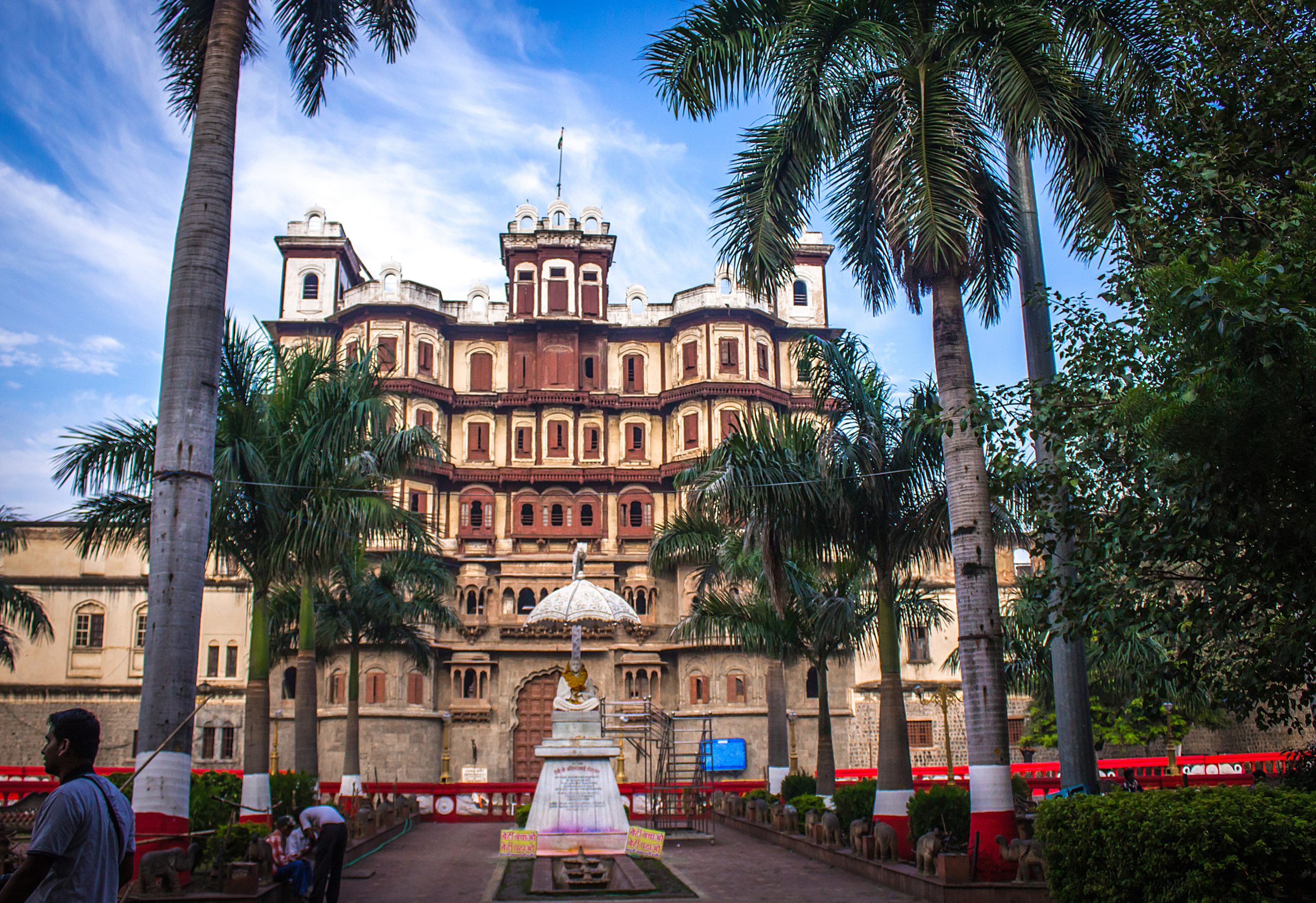
Indore, a city with a rich history dating back to the 16th century, has grown into a thriving metropolis, serving as the capital and administrative headquarters of the eponymous district and division. Its strategic location on the banks of the Kanh and Saraswati rivers has facilitated trade and commerce, making it an important hub in the region. However, the recent incident raises questions about the city’s infrastructure and its ability to provide basic amenities like clean water to its citizens.
The city’s water supply system has come under scrutiny, with many wondering how such a tragedy could have occurred. While the exact cause of the contamination is yet to be determined, it is clear that a failure in the system has resulted in devastating consequences. The incident serves as a stark reminder of the importance of maintaining and upgrading infrastructure to ensure the well-being of citizens. As the city mourns the loss of lives, attention must be focused on preventing such incidents in the future.
Indore’s history is marked by its evolution from a trading hub to a city under the control of the Maratha Empire and eventually, the British East India Company. Prior to Indian independence, the Kingdom of Indore was a nineteen Gun Salute Princely State of the British Raj, with the Holkars as rulers. Today, as the city navigates the challenges of modernization and growth, it must also prioritize the health and safety of its residents. This includes investing in renewable energy sources, which can provide energy security and cost savings, while also reducing the city’s reliance on non-renewable sources.
As the people of Indore come to terms with the tragedy, the city’s authorities must take immediate action to address the concerns surrounding the water supply. This includes conducting a thorough investigation into the cause of the contamination, as well as implementing measures to prevent such incidents in the future. The city must also explore ways to increase its use of renewable energy sources, such as solar and wind power, to reduce its environmental footprint and ensure a cleaner, healthier environment for its residents.
Looking ahead, the city of Indore has an opportunity to emerge from this tragedy with a renewed commitment to providing its residents with a clean and safe environment. By prioritizing the health and well-being of its citizens, investing in renewable energy, and upgrading its infrastructure, Indore can create a better future for itself. As the city moves forward, it is essential that the focus remains on creating a clean and sustainable planet, where all people have access to the basic necessities of life, including clean water and air. The people of Indore deserve nothing less, and it is the responsibility of the city’s authorities to ensure that this vision becomes a reality.
The road to recovery will undoubtedly be long and challenging, but with a concerted effort from the city’s authorities, residents, and stakeholders, Indore can overcome this tragedy and emerge stronger and more resilient. The city’s rich history and cultural heritage are a testament to its ability to adapt and thrive in the face of adversity. As the city looks to the future, it is essential that the lessons learned from this tragedy are used to create a better, more sustainable tomorrow for all residents. By working together, the people of Indore can build a cleaner, healthier, and more prosperous city, where everyone has access to the basic necessities of life.