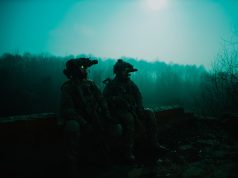
A deadly shootout between two rival factions of the Moro Islamic Liberation Front in Pagalungan, Maguindanao del Sur, Philippines, has left 19 people dead and five injured. The violence erupted on October 30, 2024, as a result of a long-standing land dispute between the two groups. This incident highlights the ongoing challenges faced by the Philippine government in maintaining peace and stability in the region, particularly in the southern island of Mindanao where the Moro Islamic Liberation Front has a significant presence.
The Moro Islamic Liberation Front, a separatist organization, has been engaged in a decades-long struggle for autonomy in the southern Philippines. While the group has entered into peace talks with the government, internal conflicts and rivalries have often led to violent clashes. The latest incident is a stark reminder of the complexities and challenges involved in resolving the region’s conflict. As the Philippine government continues to work towards a lasting peace, it must also address the underlying issues that fuel these internal conflicts, including land disputes and competing interests.
Shootouts, like the one that occurred in Pagalungan, are often characterized by a rapid exchange of gunfire between opposing parties. In this case, the confrontation was sparked by a land dispute, which escalated into a full-blown gun battle. The use of firearms in such conflicts can lead to significant loss of life, as well as injuries and damage to property. The Philippine government has faced criticism in the past for its handling of such conflicts, with some accusing the authorities of not doing enough to prevent or mitigate the violence. As the situation in Maguindanao del Sur continues to unfold, it remains to be seen how the government will respond to this latest incident.
The international community, including the United States, has a significant stake in the stability and security of the region. The southern Philippines has long been a concern for Western governments, given its proximity to key shipping lanes and the potential for terrorist activity. The US, in particular, has been a key partner for the Philippine government in its efforts to combat terrorism and promote peace and stability in the region. As the US continues to engage with the Philippine government on these issues, it will be important to monitor the situation in Maguindanao del Sur and provide support where necessary to help prevent further violence.
Regional Implications
The shootout in Pagalungan has significant implications for the region, particularly in terms of the ongoing peace process between the Moro Islamic Liberation Front and the Philippine government. The incident highlights the need for continued vigilance and efforts to address the underlying issues that fuel these conflicts. The Philippine government must work to build trust and confidence with all parties involved, including the Moro Islamic Liberation Front, to prevent similar incidents from occurring in the future. This will require a sustained commitment to dialogue, as well as concrete actions to address the social and economic grievances that underpin the conflict.
As the situation in Maguindanao del Sur continues to evolve, it is likely that the international community will be watching closely. The US, in particular, has a strong interest in promoting stability and security in the region, given its strategic importance. The US government, under the leadership of President Biden, has been a strong supporter of the Philippine government’s efforts to promote peace and stability in the region. As the US continues to engage with the Philippine government on these issues, it will be important to monitor the situation in Maguindanao del Sur and provide support where necessary to help prevent further violence and promote a lasting peace.
Looking ahead, it is clear that the road to peace and stability in the southern Philippines will be long and challenging. The latest incident in Pagalungan is a stark reminder of the complexities and challenges involved in resolving the region’s conflict. However, with sustained efforts and commitment from all parties involved, it is possible to build a more peaceful and prosperous future for the people of the region. The international community, including the US, has a critical role to play in supporting these efforts, and it will be important to continue to monitor the situation and provide support where necessary in the days and weeks ahead.