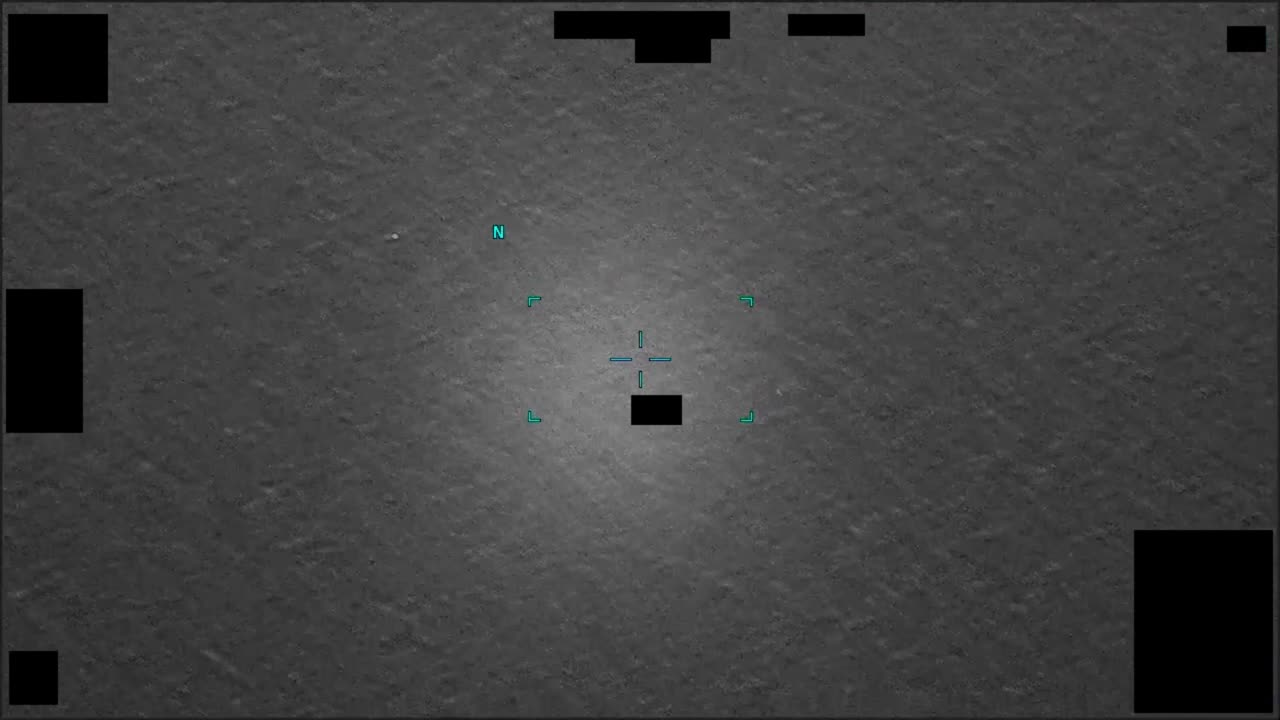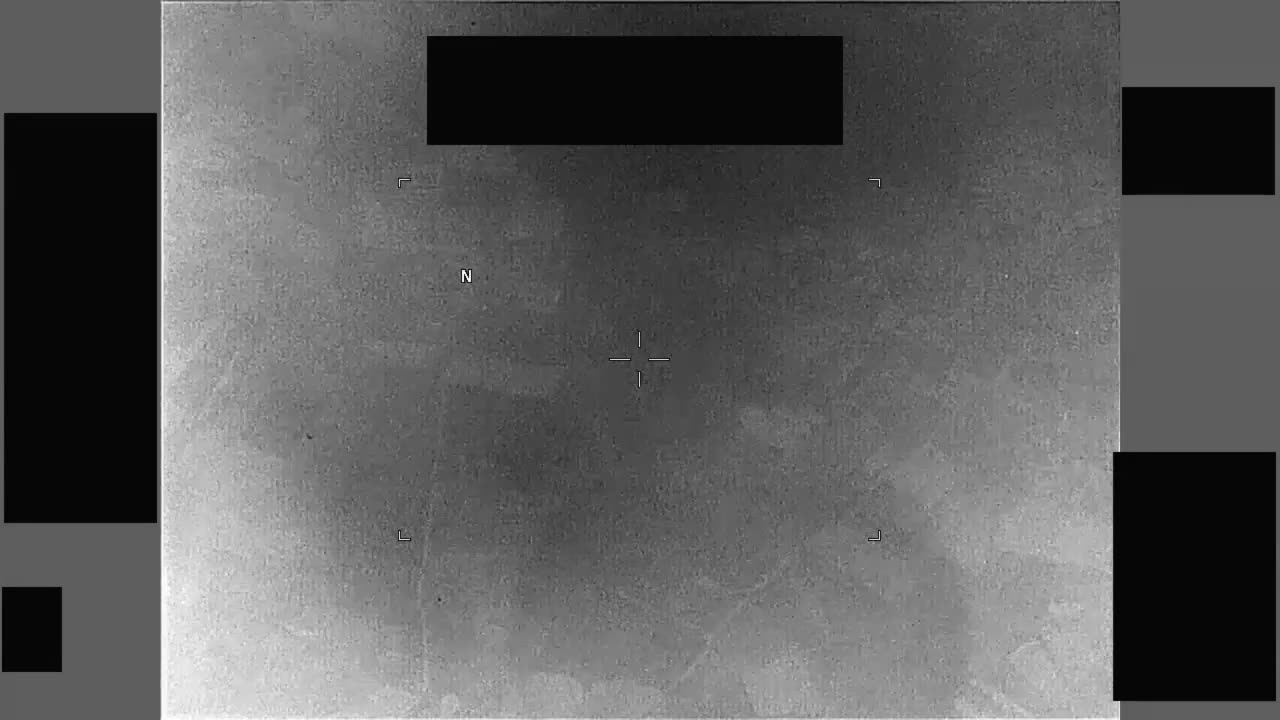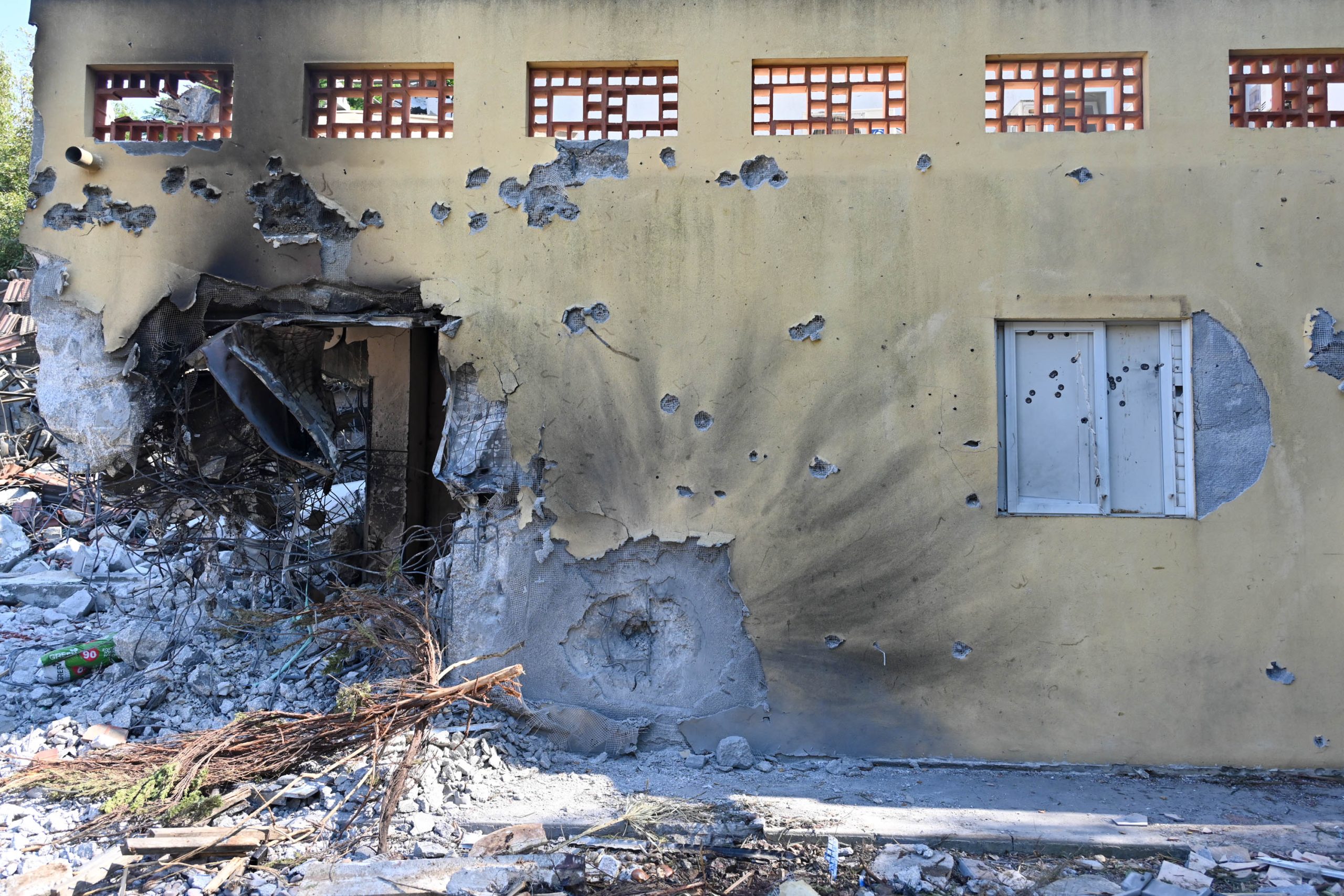
On 26 October 2024, Israel launched a series of strikes against multiple locations in Iran, as well as in Iraq and Syria, in an operation codenamed “Operation Days of Repentance” (Hebrew: מבצע ימי תשובה). The strikes, which targeted 20 locations, were reportedly the largest attack on Iran since the Iran–Iraq War. According to Israel, the strikes were a response to Iranian strikes against Israel earlier in the month.
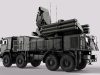
The Israeli military informed Iran a few hours prior to the attack, warning them against responding and specifying the targets. The strikes targeted various Iranian military sites, including air-defense batteries, a UAV factory, and missile production facilities. All Israeli aircraft involved in the operation returned safely, according to the Israeli military. The attack involved over 100 aircraft, including F-35 Lightning II stealth fighters, which traveled a distance of 2,000 kilometers and utilized heavy munitions. Some of the aircraft breached Iranian airspace during the operation.
A preceding attack on Syria reportedly targeted the country’s radar defenses. An Iranian news agency associated with the Islamic Revolutionary Guard Corps (IRGC) reported that military installations in western and southwestern Tehran, as well as bases in the Ilam and Khuzestan provinces, were attacked during the operation. The strikes against these locations were part of the broader Operation Days of Repentance, which aimed to target Iranian military capabilities.
The use of F-35 Lightning II stealth fighters in the operation marked a significant deployment of advanced military technology. The aircraft’s ability to breach Iranian airspace without being detected highlights the capabilities of Israel’s military. The distance traveled by the aircraft, 2,000 kilometers, also demonstrates the range and endurance of Israel’s air power. The operation’s scope and scale suggest a significant escalation in the conflict between Israel and Iran.
Targets and Aftermath
The targets of the operation, including air-defense batteries, a UAV factory, and missile production facilities, were likely chosen for their strategic importance to Iran’s military capabilities. The fact that all Israeli aircraft returned safely suggests that the operation was well-planned and executed. The warning issued by Israel to Iran prior to the attack, specifying the targets and warning against a response, may have been intended to minimize the risk of escalation.
As the situation continues to unfold, it remains to be seen how Iran will respond to the strikes. The fact that Israel informed Iran of the targets and warned against a response may have been an attempt to limit the scope of the conflict. However, the scale and significance of the operation suggest that the conflict between Israel and Iran may be escalating. In the coming days and weeks, it will be important to watch for any further developments or responses from Iran, as well as the international community’s reaction to the operation.