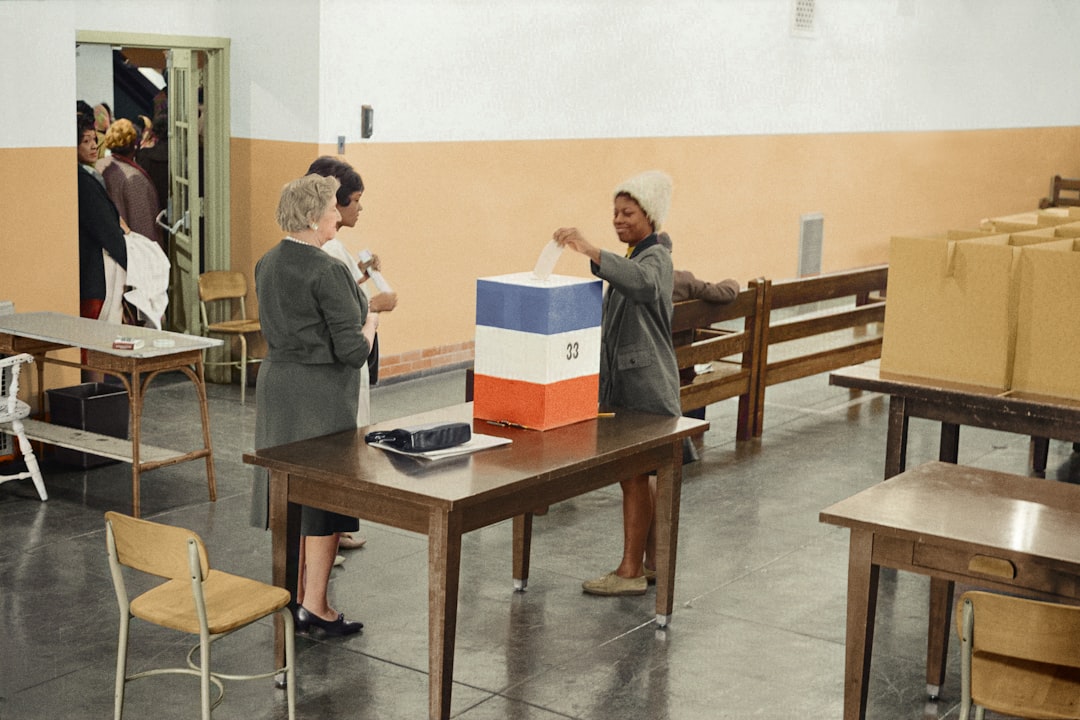
SOFIA — The ballot boxes are barely packed away and already the question hangs over Bulgaria: when will voters be called back? June 9, 2024, marked the country’s sixth parliamentary election in three years. That is not a record any democracy wants.
This is not a story about a single vote. It is a story about a system that cannot hold. Six elections in three years means the average government lasted roughly six months. That is no way to run a country, let alone the European Union’s poorest member state.
The numbers tell a grim tale. Each election costs money. Each one demands time, energy, patience from a population that shares a common culture, history, and language — and a common frustration. The Bulgarian people have been asked to vote again and again. The issues driving them to the polls remain stubbornly the same: the economy, corruption, and the country’s place in the world.
Corruption is the rot that keeps resurfacing. Many Bulgarians see it as the root of the instability. Parties form, promise reform, take power, and then collapse under the weight of infighting or scandal. The cycle repeats. The West watches.
Both the European Union and NATO have anchored Bulgaria to the West. That has been a stabilizing force. The United States has also put money into the effort. The US Agency for International Development, USAID, has funded programs meant to push transparency and accountability in government. Those are good things. They have not yet broken the cycle.
Observers from the Organization for Security and Co-operation in Europe were on the ground June 9. They monitored the process. They have done this before. The OSCE has a long track record of promoting democratic development in Bulgaria and across the region. Their presence is a signal that the international community still sees this as a democracy worth watching.
But watching is not fixing. The fundamental problem is that no single party or coalition has managed to build a durable majority. The political landscape is fragmented. Personal rivalries often trump policy. Governments fall not because of external pressure but because the people inside them cannot agree.
Where does this lead? More of the same, unless something changes. The next government, if one can be formed, will face the same challenges. The economy needs growth. Corruption needs to be rooted out. Trust needs to be rebuilt. Those are long-term tasks, and short-term governments cannot tackle them.
Bulgaria’s repeated trips to the ballot box have become a pattern. Patterns can be broken, but not by repeating the same actions. The voters have done their part, six times over. The burden now falls on the politicians to make a government that lasts longer than a season.
Until that happens, the country drifts. Democratic institutions exist on paper. They function, after a fashion. But a democracy that cannot produce stable governance is a democracy under strain. The OSCE monitors, the USAID programs, the NATO and EU memberships — all of that is scaffolding. The building itself needs a solid foundation. Bulgaria has not found one yet.