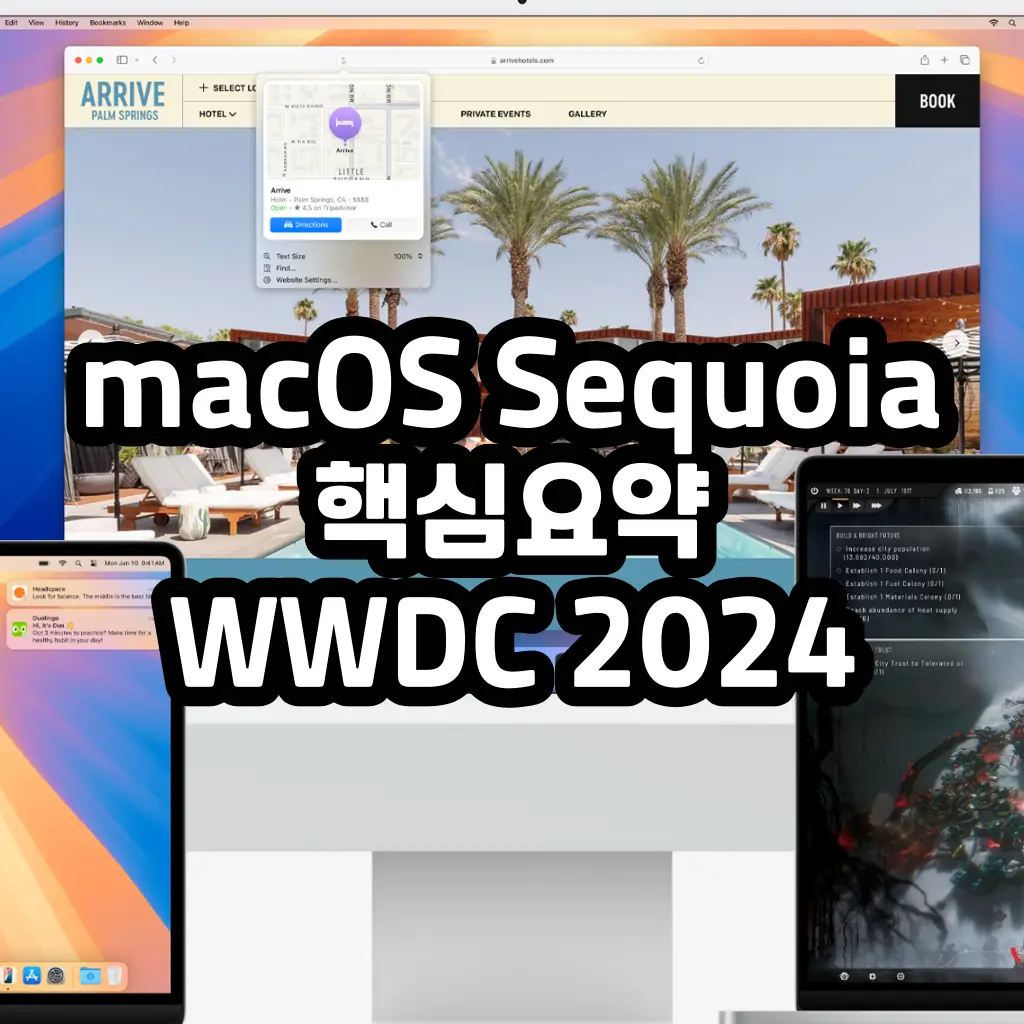
On June 10, 2024, Apple announced the twenty-first major release of its macOS operating system, macOS Sequoia, at the Worldwide Developers Conference (WWDC). This release is the successor to macOS Sonoma and is named after Sequoia National Park, located in the Sierra Nevada mountain range, following Apple’s tradition of naming macOS releases after California landmarks.
The announcement of macOS Sequoia marked the beginning of its development and testing cycle. The first developer beta was released on the same day as the announcement, June 10, 2024, allowing developers to start testing and preparing their applications for the new operating system. Later, on July 15, 2024, the first public beta was released, giving the general public an opportunity to test and provide feedback on the upcoming operating system.
After several months of testing and refinement, macOS Sequoia was officially released on September 16, 2024. Notably, this release coincided with the release of new versions of iOS and iPadOS, marking the first time that macOS, iOS, and iPadOS were released on the same day. This simultaneous release highlights Apple’s efforts to synchronize its operating systems and provide a cohesive user experience across its devices.
macOS Sequoia is significant not only for its new features and improvements but also for its role in marking the end of support for certain Mac models. It is the final version of macOS to officially support the iMac Pro, the 2019 iMac, most Intel-based MacBook Pros (excluding the 2019 16-inch model and the 2020 13-inch with four Thunderbolt 3 ports model), the 2018 Mac Mini, and the 2020 Intel MacBook Air. Its successor, macOS Tahoe, which was released on September 15, 2025, drops support for these models, indicating a shift towards newer hardware and potentially more stringent system requirements.
Furthermore, macOS Sequoia is also the last version to support Macs that do not feature the T2 security chip, as well as any Intel-based MacBook Airs and Mac Minis. The T2 security chip, designed by Apple, provides an additional layer of security and integrates several system components, including the system management controller, audio controller, and SSD controller. The requirement for the T2 chip in future macOS versions underscores Apple’s commitment to enhancing the security and integrity of its devices.
Looking Ahead
As macOS Sequoia has been succeeded by macOS Tahoe, users and developers are now looking towards the future of Apple’s operating systems. The release of macOS Tahoe and its dropping of support for certain older models signal a continued push by Apple towards more modern and secure hardware. Users of older Macs that are no longer supported by the latest macOS versions will need to consider upgrading to newer models to continue receiving the latest security updates and features. As the technology landscape continues to evolve, it will be important to watch how Apple balances the need for innovation and security with the requirement to support a wide range of devices. The future of macOS and Apple’s broader ecosystem will likely be shaped by these considerations, and users can expect ongoing enhancements and refinements to Apple’s operating systems and devices.