The road to the FDA panel’s rejection of MDMA-assisted therapy for PTSD was paved with high hopes and hard data. For years, researchers like Dr. Jennifer Mitchell argued the treatment could crack open cases that traditional talk therapy and antidepressants could not reach. The logic was straightforward: MDMA, the active ingredient in the club drug ecstasy, appears to reduce fear and defensiveness, letting patients revisit traumatic memories without being overwhelmed. But on June 5, 2024, the panel decided the evidence was not strong enough. The decision was not a surprise to everyone.
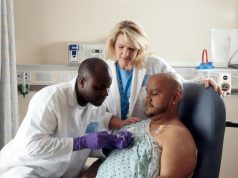
The clinical trials that formed the core of the application were some of the most closely watched in psychiatry. They enrolled patients who had suffered for years, people who had tried other treatments and failed. Early results were striking. In some studies, a majority of participants no longer met the criteria for PTSD after two or three sessions of MDMA-assisted psychotherapy. The therapy itself is not a pill and a cure. It is a structured process: a preparatory phase, then a long session where the patient takes the drug under supervision while talking to two therapists, followed by integration sessions to make sense of what came up. Proponents said the MDMA allowed patients to approach trauma with a calm clarity they had never achieved before.
Critics were not convinced. They pointed to flaws in the trial designs. In many studies, both the patients and the therapists knew who had received MDMA and who had received a placebo. The drug’s effects are hard to blind. Someone who takes MDMA feels different, often euphoric. Someone who takes a sugar pill does not. That makes it difficult to separate the drug’s specific effect from the power of expectation. The panel also weighed the risks. MDMA can spike blood pressure and body temperature. There are concerns about long-term cognitive effects and the potential for abuse. The FDA panel’s job was to decide whether the benefits clearly outweighed those risks. They said no.
Dr. Charles Grob, a psychiatrist who has studied psychedelics for decades, has long urged caution. He has argued that the field, eager to move past decades of prohibition, sometimes overpromises. The FDA panel’s decision reflects that tension. The agency is not hostile to psychedelics. It has already approved esketamine, a drug related to the club drug ketamine, for depression. But the bar for a Schedule I substance — a category the government reserves for drugs with high abuse potential and no accepted medical use — is higher. MDMA remains Schedule I. The panel’s rejection does not change that classification, but it makes the path to rescheduling much harder.
Dr. Mitchell expressed her disappointment. She called the decision a setback for patients who have run out of options. She is not wrong. PTSD is a stubborn condition. Standard treatments like cognitive behavioral therapy and SSRIs work for some, but not for all. The Department of Veterans Affairs has poured money into research, desperate for alternatives. MDMA-assisted therapy was the most advanced candidate in the pipeline. Now that pipeline is blocked, at least for now. The company behind the application, Lykos Therapeutics, can still submit more data or redesign its trials. The FDA panel’s decision is not the final word. It is a recommendation. The agency itself will make the final call later this year.
What happens next depends on whether researchers can address the panel’s concerns. Better blinding methods. Longer follow-up studies. Clearer safety data. The science is not dead. It is just stalled. For the patients who had been waiting, the wait gets longer. For the skeptics, the caution was justified. The debate over MDMA-assisted therapy is not over. It has simply moved to a new phase. The FDA panel has spoken. The evidence, they said, is not there yet.