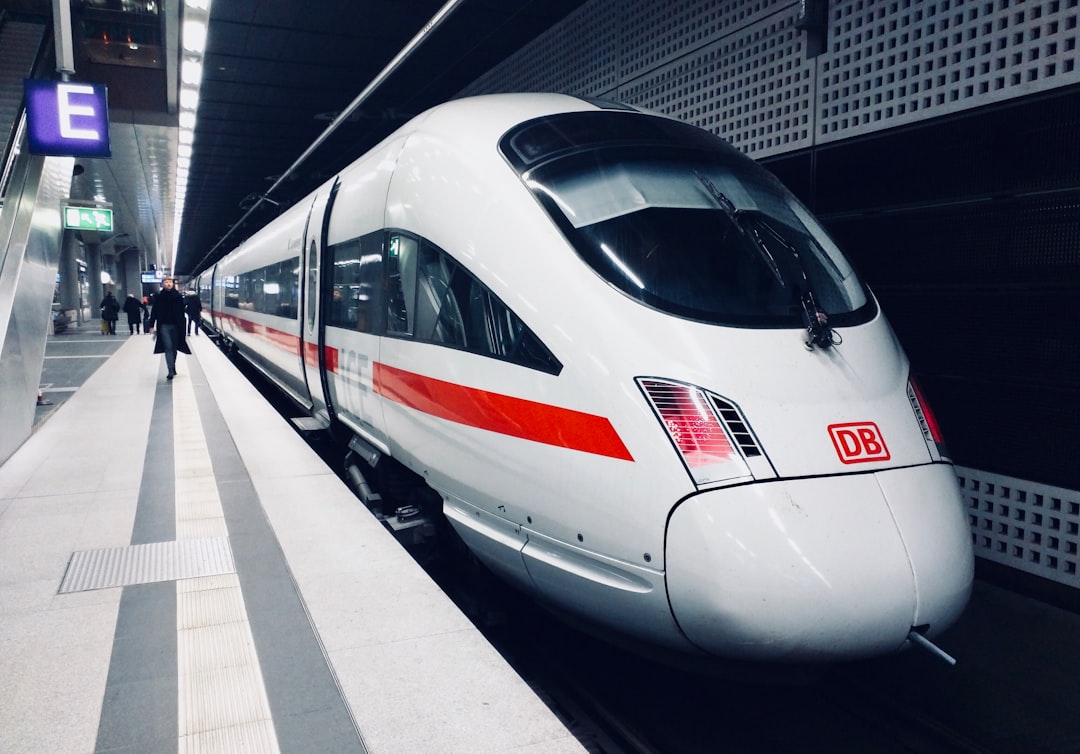
Half a year after its debut, Southeast Asia’s first high-speed rail line is clocking numbers that back its backers’ claims. The Jakarta-Bandung High-Speed Railway, known locally as Whoosh, carried 2.56 million passengers in its first six months of commercial service, which began October 17, 2023. That figure was reached by April 19, 2024.
The railway covers the 140-kilometer corridor between Jakarta and Bandung in about 40 minutes. The same trip by road used to take over three hours. The line is run by PT Kereta Cepat Indonesia-China, a joint venture between Indonesian and Chinese state-owned firms. It is the product of a bilateral infrastructure push that started years earlier, under Indonesia’s previous administration, and was fast-tracked under President Joko Widodo.
KCIC has been scaling up fast. Daily train trips went from 14 at launch to 52. Passenger seat capacity jumped from 8,400 per day to over 31,000. On peak days, the railway carried 21,537 passengers, and seat occupancy hit 99.6%. The two-millionth passenger boarded in early March 2024. A KCIC spokesperson credited “dynamic fare policies and optimized schedules” for keeping demand steady, even through bad weather.
Behind those numbers is a deeper story. The railway uses Chinese high-speed rail standards, technology and rolling stock. Chinese state-owned enterprises supplied the expertise and equipment. KCIC officials have said that technical support from China keeps operations running smoothly. The project was also heavily financed by Chinese loans, a point critics have raised. They worry about debt exposure and the terms of the financing. But for now, the operational data tells a different story — one of rising ridership and expanding service.
Indonesia’s Deputy Minister of Maritime Affairs and Investment, Septian Hario Seto, framed the railway as a turning point. “The high-speed rail will change how people travel between Jakarta and Bandung,” he said. “It is a major step for our transportation infrastructure.” His statement points to the government’s broader aim: shifting Indonesians away from cars and buses toward mass transit, especially on congested corridors like Jakarta-Bandung.
That corridor is one of the busiest in the country. Bandung is a major economic and educational hub, and Jakarta is the capital. Daily commuters, business travelers and tourists all use the route. Before the high-speed rail, options included a toll road that often jammed, and a conventional train that took about three hours. The high-speed line competes directly with budget airlines that fly between the two cities, but the train’s downtown-to-downtown time advantage is hard to beat.
The six-month milestone is not just a domestic achievement. The railway is a flagship project of China’s Belt and Road Initiative in Southeast Asia. It is meant to showcase Chinese rail technology abroad, and to prove that high-speed rail can work in a developing country with tropical weather, volcanic terrain and dense urban areas. The operational data so far suggests the technology has held up.
KCIC has not released financial figures. It is not clear whether the railway is profitable yet. The fare structure is dynamic — prices vary by time and demand — which suggests the operator is still testing what the market will bear. But the passenger numbers are climbing, and the service is expanding. That is the kind of trajectory the project’s backers wanted to see.
For now, the railway runs 52 trips a day. It has covered over 1.26 million kilometers in six months. The trains are full. The passengers keep coming. The next milestone will be harder: proving the model can sustain itself financially over years, not just months.