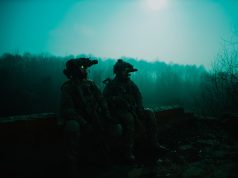
The United States Central Command has carried out a series of strikes in Yemen, destroying 14 anti-ship missiles that were being prepared to launch at merchant vessels and U.S. Navy ships in the region. This action, taken on January 17, 2024, demonstrates the ongoing commitment of the United States to protecting its interests and ensuring the safety of maritime traffic in the area. The U.S. Central Command, established in 1983, has a long history of conducting military operations in the Middle East and Central Asia, and this latest action is a continuation of its efforts to counter threats in the region.
As one of the eleven unified combatant commands of the United States Department of Defense, the U.S. Central Command has a broad area of responsibility that includes the Middle East, Central Asia, and parts of South Asia. This region has been a focal point of American military activity for decades, with the command playing a key role in operations such as the Persian Gulf War’s Operation Desert Storm in 1991, the war in Afghanistan, and the Iraq War from 2003 to 2011. The command’s forces have been deployed primarily in Afghanistan in recent years, operating under the auspices of Operation Enduring Freedom and working to disrupt and defeat terrorist organizations in the region.
Regional Security Concerns
The destruction of the anti-ship missiles in Yemen is a significant development in the ongoing efforts to secure the region’s waterways and protect American interests. The missiles, which were being prepared to launch at merchant vessels and U.S. Navy ships, posed a significant threat to maritime traffic and the safety of American personnel. The U.S. Central Command’s action to destroy these missiles demonstrates its commitment to countering this threat and ensuring the free flow of commerce in the region. This is particularly important given the strategic importance of the Middle East and the reliance of the global economy on the safe passage of goods through the region’s waterways.
The U.S. Central Command’s area of responsibility includes several countries that have been sources of concern for regional security, including Iran. The Iranian government has been accused of supporting terrorist organizations and destabilizing the region through its actions, and the U.S. Central Command has been working to counter these efforts. The command has also been monitoring the activities of other hostile actors in the region, including extremist groups such as al-Qaeda and the Islamic State. The destruction of the anti-ship missiles in Yemen is a significant blow to these groups and demonstrates the U.S. Central Command’s commitment to disrupting and defeating their operations.
Looking ahead, the U.S. Central Command is likely to continue playing a key role in regional security efforts. The command’s forces will remain deployed in Afghanistan and other parts of the region, working to disrupt and defeat terrorist organizations and counter the influence of hostile actors such as Iran. The command will also continue to work with regional partners to build their capacity and enhance their ability to counter security threats. This will involve a range of activities, including training and equipping local forces, providing intelligence and logistical support, and conducting joint operations to disrupt and defeat terrorist organizations. By working together with its regional partners, the U.S. Central Command can help to create a more stable and secure environment in the Middle East and Central Asia.
As the situation in the region continues to evolve, the U.S. Central Command will remain vigilant and adaptable, working to stay ahead of emerging threats and protect American interests. The command’s actions, such as the destruction of the anti-ship missiles in Yemen, demonstrate its commitment to regional security and its determination to counter the influence of hostile actors. With its long history of military operations in the region and its ongoing commitment to disrupting and defeating terrorist organizations, the U.S. Central Command is well-positioned to play a key role in shaping the future of regional security. The coming months and years will be critical in determining the trajectory of the region, and the U.S. Central Command will be at the forefront of efforts to promote stability and security in the Middle East and Central Asia.