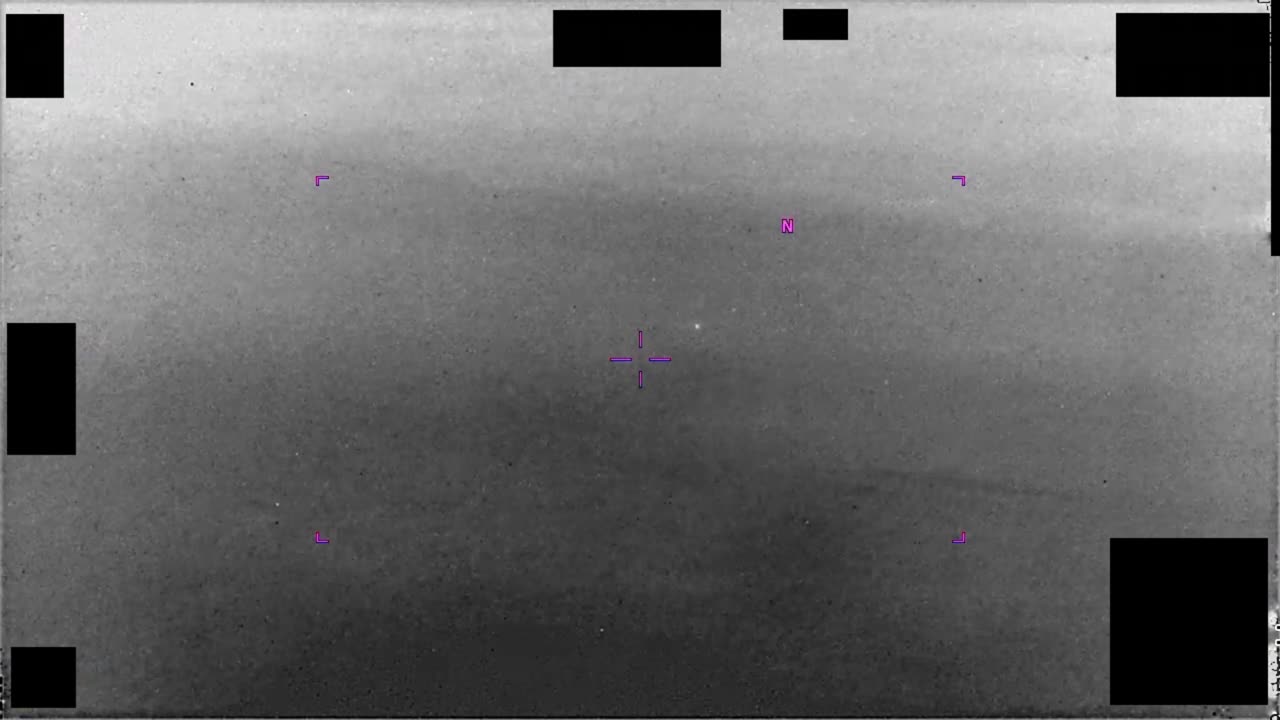
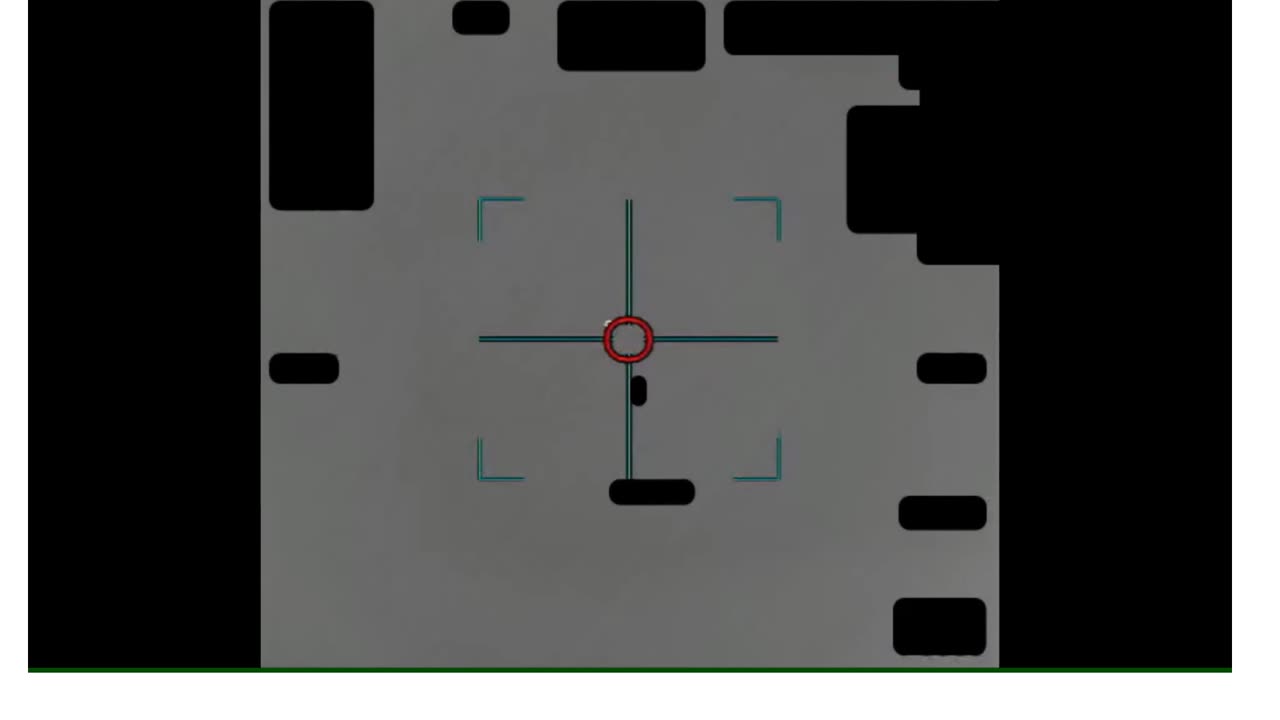
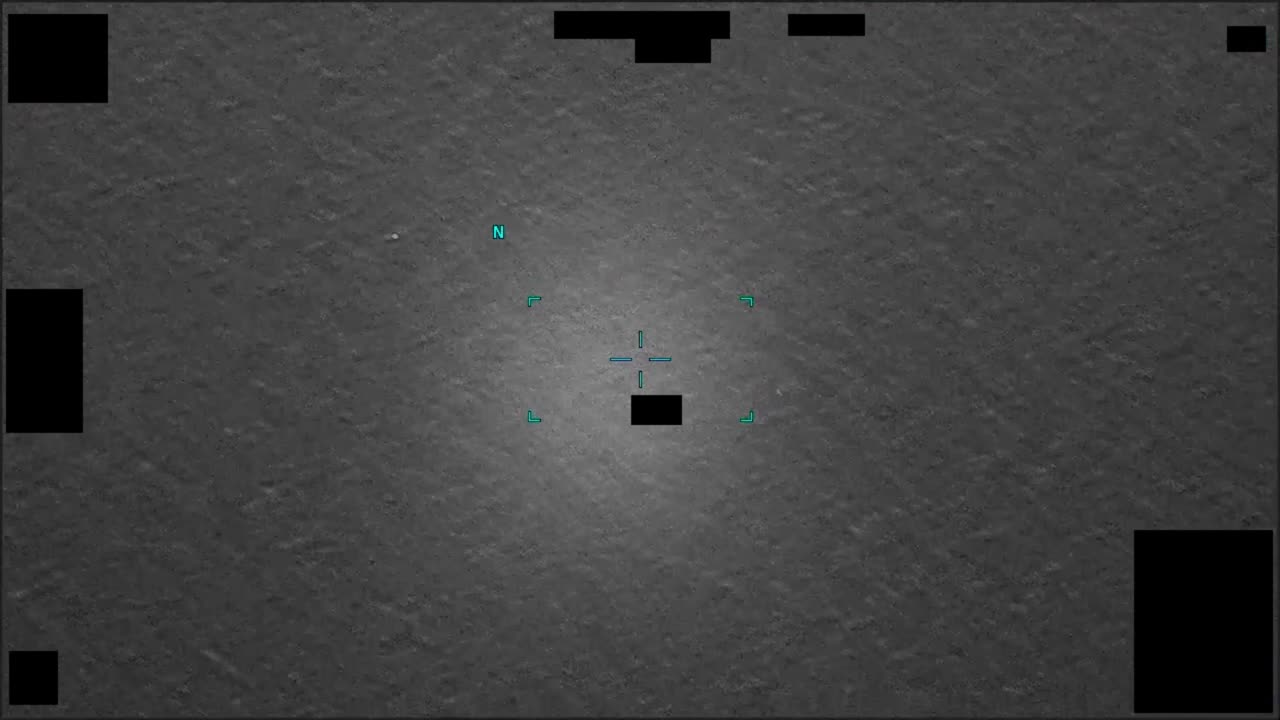
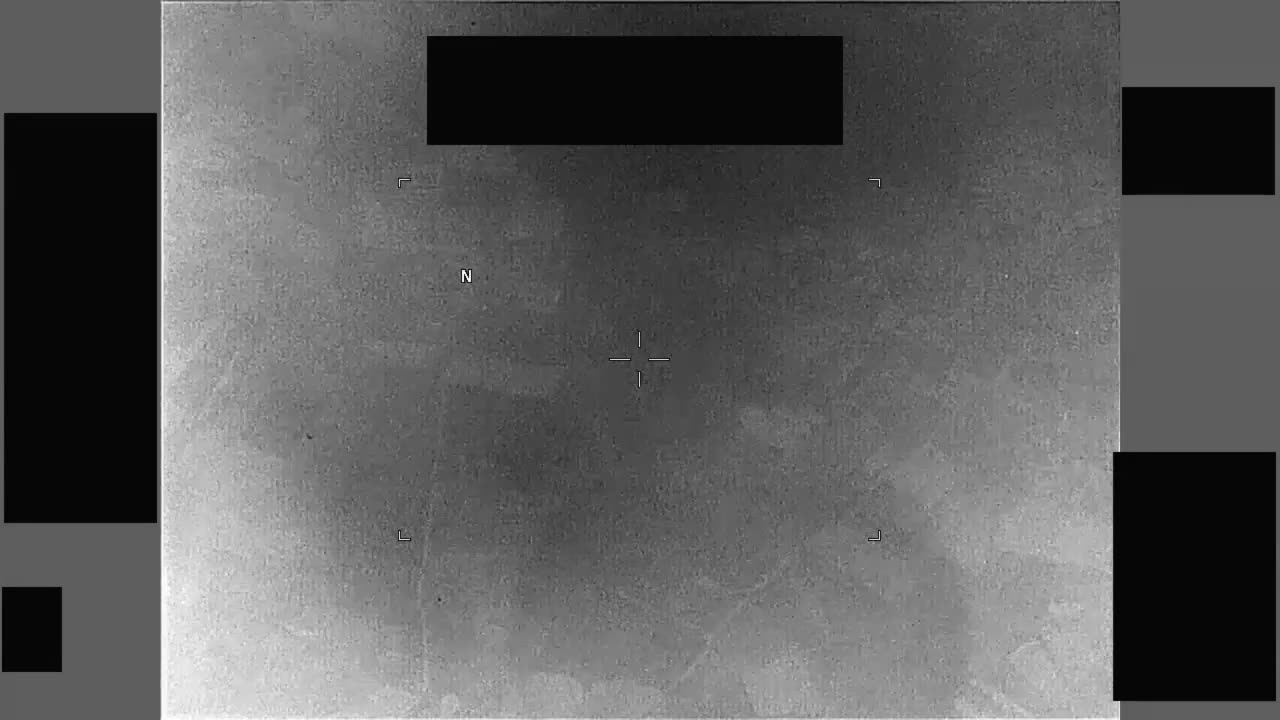
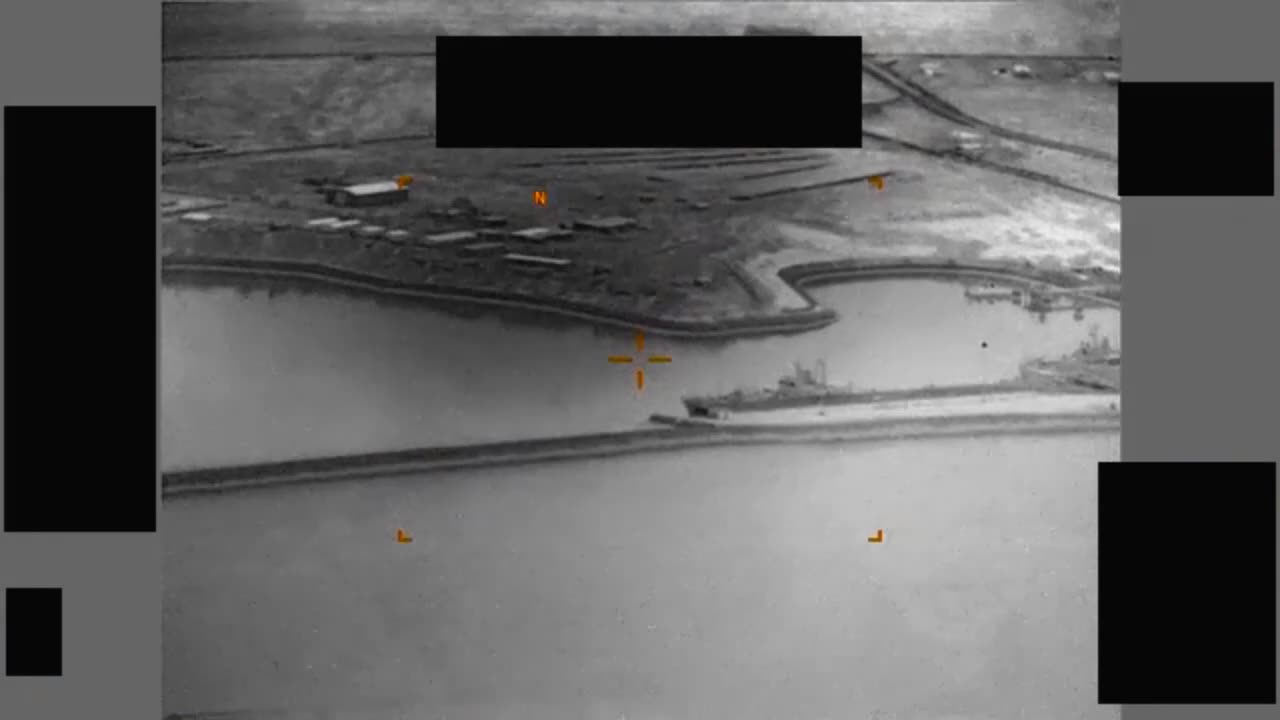
Yemen’s coastline has been a flashpoint for weeks. On January 17, the United States Central Command announced it had destroyed 14 anti-ship missiles there. The missiles were being readied for launch. Their targets: merchant vessels and U.S. Navy ships in the region.
This was not a warning shot. It was a deliberate act of destruction. The missiles were prepared to fire. They were a direct threat. The U.S. military removed them.
Central Command, born in 1983, has a long reach. Its area of responsibility covers the Middle East, Central Asia, and parts of South Asia. It has run major wars — Desert Storm in 1991, the Iraq War, the war in Afghanistan. But this was a different kind of action. A precise strike. A removal of a specific, imminent danger.
The danger was clear. Anti-ship missiles aimed at Navy ships are not abstract. They are weapons that can sink vessels. They can kill sailors. They can block a key waterway. The U.S. response was to take them off the board.
This is the kind of operation that does not make front-page headlines for long. It is routine in the sense that Central Command does this work constantly. But routine does not mean unimportant. The missiles were a real, present threat. Destroying them prevented an attack that could have escalated quickly.
Consider the location. Yemen sits on the Bab el-Mandeb strait, a narrow choke point between the Red Sea and the Gulf of Aden. A huge volume of global trade passes through there. So do Navy ships. A missile strike on a merchant vessel would disrupt shipping. A strike on a Navy ship would be a direct military confrontation.
The U.S. action removed that possibility, at least for now. The 14 missiles are gone. They cannot be used. The ships in the area are safer. The sailors on those ships are safer.
Central Command has been busy in the region for decades. It fought the Persian Gulf War. It fought in Afghanistan and Iraq. It has hunted terrorists. But the threat from Yemen is not a terrorist group in a cave. It is a state-actor-adjacent force with advanced weapons. Anti-ship missiles are not small arms. They are sophisticated, hard to build, and hard to replace. Destroying 14 of them is a meaningful blow.
The command stated its commitment to protecting interests and ensuring safety of maritime traffic. That is the official line. But the practical effect is simpler: a threat was identified, targeted, and eliminated. No U.S. casualties. No civilian casualties reported. Just 14 missiles turned into scrap.
This is the kind of news that gets one paragraph in a wire report and then fades. But it matters. Every time the U.S. military destroys a missile before it is fired, it prevents a crisis. It keeps a conflict from escalating. It keeps sailors alive.
The region remains unstable. The missiles were prepared to launch. They were stopped. That is the story. Not a grand battle. Not a strategic shift. Just a surgical strike that removed a specific, deadly threat.
Central Command has done this before. It will do it again. The work is continuous. The danger is ongoing. But on January 17, 14 missiles did not launch. That is a fact. And it is a good one.