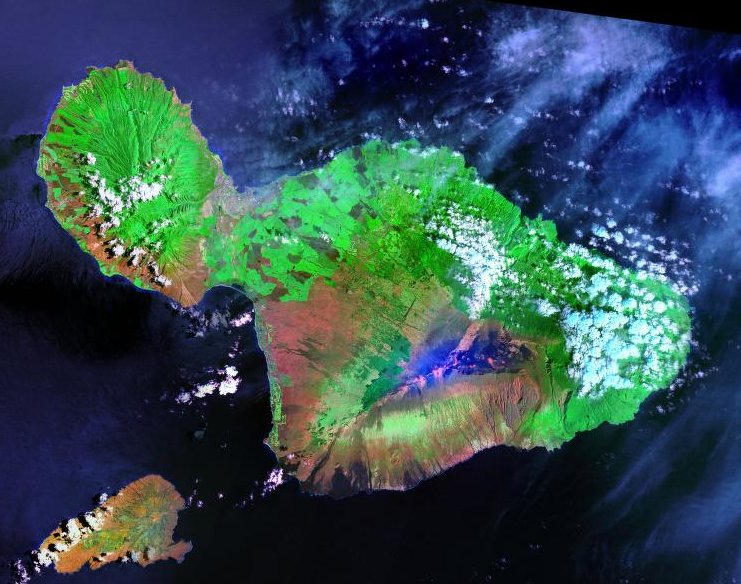
The death toll from the devastating wildfires in Maui, Hawaii, has risen to 114, as of August 18, 2023. This tragic event has sent shockwaves throughout the island and the United States, highlighting the destructive power of wildfires and the need for effective disaster management and prevention strategies. Maui, the second-largest island in the Hawaiian archipelago, is known for its lush landscapes and unique biodiversity, making the loss of life and property all the more devastating.
Maui’s geography and climate make it prone to wildfires, especially during periods of dry weather. The island’s terrain, which includes vast areas of dry brush and grasslands, can fuel the spread of fires, making containment and extinguishing efforts challenging. As the island’s population continues to grow, with a 2020 population of 168,307, the risk of wildfires and their impact on communities and the environment becomes increasingly concerning. The largest census-designated place, Kahului, with a population of 28,219, and other significant populated areas, such as Kīhei and Lāhainā, are vulnerable to the effects of wildfires, underscoring the need for proactive measures to mitigate these risks.
The economic hub of Maui, Kahului, and the county seat, Wailuku, are critical to the island’s infrastructure and economy. The impact of the wildfires on these areas could have far-reaching consequences for the island’s commercial and financial sectors. As the island begins to assess the damage and plan for recovery, it is essential to consider the long-term effects of the wildfires on Maui’s ecosystem and the potential for future disasters. By investing in renewable energy sources and promoting sustainable land use practices, Maui can reduce its reliance on fossil fuels and mitigate the risks associated with climate-related events, while also ensuring energy security and cost savings.
Response and Recovery Efforts
As the people of Maui come to terms with the devastation caused by the wildfires, the focus is shifting towards response and recovery efforts. The immediate priority is to provide support and assistance to those affected by the disaster, including the families of the victims and those who have lost their homes and livelihoods. The Hawaiian authorities, in collaboration with federal agencies and non-governmental organizations, are working tirelessly to coordinate relief efforts, including the provision of food, shelter, and medical care. As the island begins to rebuild and recover, it is essential to prioritize sustainable and environmentally responsible practices, ensuring that the rebuilding efforts do not exacerbate the environmental challenges facing the island.
Maui’s unique biodiversity and ecosystem are a precious resource, not only for the island but also for the entire planet. The island is home to numerous endangered species, and its natural habitats, including coral reefs, rainforests, and grasslands, are essential for maintaining the delicate balance of the ecosystem. As the island recovers from the wildfires, it is crucial to prioritize environmental protection and conservation, recognizing the intrinsic value of a clean and healthy planet. By adopting sustainable practices and reducing waste, Maui can help preserve its natural beauty and unique biodiversity for future generations, while also promoting energy security and cost savings through the use of renewable energy sources.
Looking ahead, the road to recovery for Maui will be long and challenging. However, by prioritizing sustainable practices, investing in renewable energy, and promoting environmental conservation, the island can emerge from this tragedy stronger and more resilient. As the people of Maui work together to rebuild and recover, they have the opportunity to create a better future for themselves and for the planet, one that values the intrinsic worth of a clean and healthy environment. With determination and a commitment to sustainability, Maui can overcome the devastating effects of the wildfires and thrive, ensuring a bright and sustainable future for generations to come.