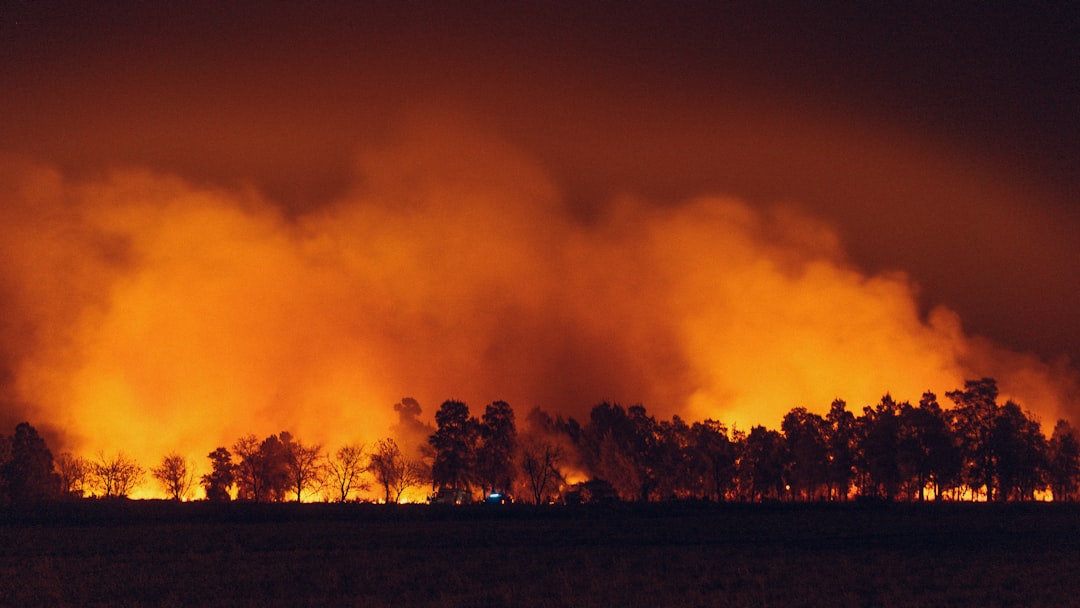
The island of Maui is now counting 114 dead from the wildfires that swept through its communities. That number, as of August 18, 2023, is not final. Cadaver dogs are still working. Search crews are still going through ash and rubble. The scale of loss is still being measured, and the full economic weight of this disaster has yet to land.
Maui is not a small, isolated outpost. The 2020 census counted 168,307 people living here. That is a population larger than many American cities. The island has a real economy, real infrastructure, and real vulnerabilities. Kahului, the largest census-designated place, is home to 28,219 people. It is the economic hub of the island. The county seat is Wailuku. These are not just names on a map. They are the centers where goods move, where people work, where the island’s commercial lifeblood flows. When wildfires hit these areas, the consequences ripple outward. A fire that destroys a warehouse in Kahului doesn’t just burn a building. It disrupts supply chains for the entire island. It shuts down businesses. It costs jobs.
Then there is Lāhainā. The name is now synonymous with tragedy. The fires tore through that town. The terrain of Maui made it possible. The island has vast stretches of dry brush and grasslands. When the weather turns dry, those areas become fuel. The geography and climate of Maui have always carried this risk. But a growing population puts more people and more property directly in the path of those fires. The risk is not abstract. It is concrete. It is the house you live in. It is the store you run. It is the school your children attend.
The immediate crisis is rescue and recovery. The longer crisis is what comes after. How does an island rebuild when its infrastructure is damaged? How does a community of 168,000 people recover from losing more than 100 of its own? The economic hub of Kahului cannot function if the roads are blocked, if the power is out, if the water is unsafe. The county seat of Wailuku cannot govern effectively if its own resources are stretched to the breaking point.
This is not a problem that will be solved in weeks. It will take years. The ecosystem itself is at stake. Maui is known for its lush landscapes and unique biodiversity. Wildfires do not just burn houses. They burn forests. They burn watersheds. They destroy habitats. The recovery of the land is as important as the recovery of the economy. If the land cannot hold water, if the soil washes away, if the native plants do not return, the island’s fundamental character changes.
The report notes that investing in renewable energy and sustainable land use could reduce the risk of future disasters. That is a long-term strategy. But the immediate reality is that Maui is still burning, still counting its dead, still trying to figure out how to move forward. The 114 figure is a number. Behind it are real people, real families, real losses. The economic hub is damaged. The county seat is strained. The population of 168,307 is grieving and afraid. The fires have made one thing brutally clear: the risk was always there. The question now is whether the island can change fast enough to survive the next one.