A devastating collision between a bus and a truck in El Dabaa, Matrouh Governorate, Egypt, has resulted in the loss of three lives and left 37 others injured. The incident, which occurred on July 30, 2023, is a stark reminder of the risks associated with road transport. As the world continues to rely heavily on vehicles for daily commute and transportation, such accidents underscore the need for stringent safety measures to prevent loss of life and minimize damage.
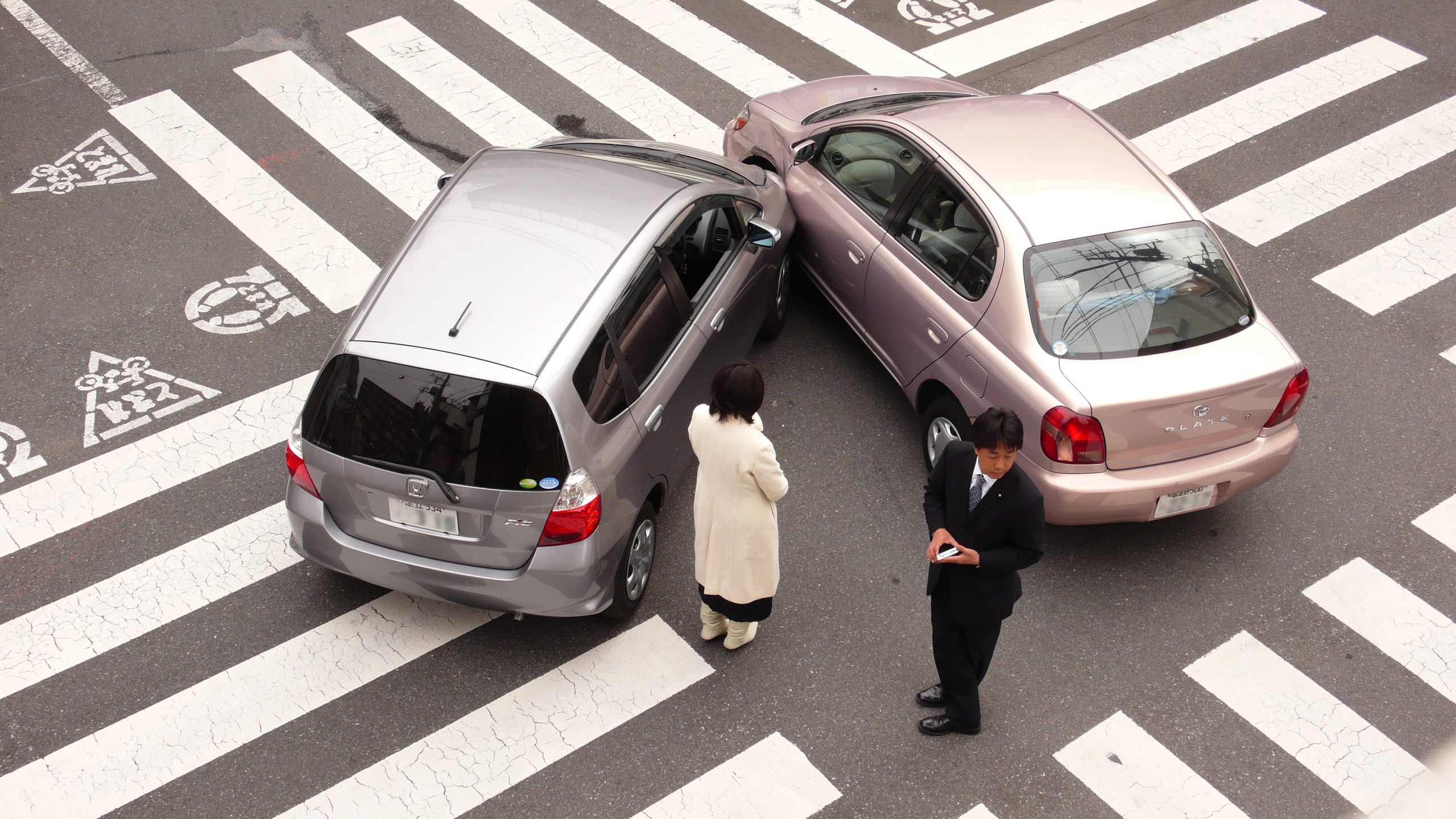
Traffic collisions, like the one in El Dabaa, are an unfortunate reality that people face every day. These incidents can involve vehicles colliding with other vehicles, pedestrians, animals, or stationary objects, often resulting in injury, disability, or death, as well as significant financial costs. The fact that road transport is statistically the most hazardous situation people encounter daily is a sobering thought, and one that warrants attention from authorities and individuals alike. While casualty figures from such incidents may not always receive the media attention they deserve, they are a pressing concern that needs to be addressed.
The term “car accident” is increasingly being replaced by more accurate descriptions, such as traffic collision or motor vehicle collision, as many governments and experts recognize that such incidents are often the result of human error, vehicle malfunction, or other preventable factors. This shift in terminology reflects a growing understanding that these events are not unavoidable accidents, but rather the consequence of a combination of factors that can be mitigated through careful planning, maintenance, and adherence to safety protocols. By acknowledging the complexity of these incidents, we can work towards creating safer roads and reducing the risk of collisions.
In the aftermath of the El Dabaa collision, the focus will inevitably turn to the cause of the accident and the measures that can be taken to prevent similar incidents in the future. As investigators work to determine the circumstances surrounding the crash, authorities will be under pressure to review and enhance road safety regulations, as well as ensure that vehicles are properly maintained and drivers are adequately trained. The Egyptian government has a responsibility to its citizens to provide safe and reliable transportation infrastructure, and the international community will be watching to see how the country responds to this tragedy.
As the world grapples with the challenges of sustainable development and energy security, the importance of investing in renewable energy sources and reducing our reliance on fossil fuels cannot be overstated. By transitioning to cleaner, more efficient forms of energy, we can not only reduce our environmental footprint but also create jobs, stimulate local economies, and enhance energy security. In the context of road transport, the development of electric and hybrid vehicles offers a promising solution, one that can help minimize the risks associated with traditional fuel-based transportation while also promoting a cleaner, healthier environment. As we look to the future, it is clear that a comprehensive approach to road safety, one that incorporates cutting-edge technology, sustainable energy solutions, and a commitment to protecting the environment, is essential for creating a better world for all.
Looking ahead, the El Dabaa collision serves as a poignant reminder of the need for continued investment in road safety initiatives and sustainable transportation solutions. As we mourn the loss of life and offer our support to those affected by this tragedy, we must also recommit to creating a cleaner, safer, and more sustainable planet for future generations. By working together to address the complex challenges associated with road transport and energy production, we can build a brighter, more resilient world, one that prioritizes the well-being of both people and the planet. The path forward will undoubtedly be challenging, but with determination, cooperation, and a shared vision for a better future, we can create a world where such tragedies become increasingly rare.