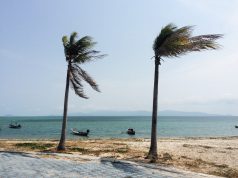
A tragic incident has unfolded on Lake Victoria, where a boat carrying charcoal and food has capsized in the Ugandan waters, resulting in the loss of twenty lives. Five people are still missing, while nine others have been rescued. The boat, which was transporting essential goods, met its demise on the vast waters of Lake Victoria, highlighting the risks and challenges faced by those who rely on the lake for their livelihood.
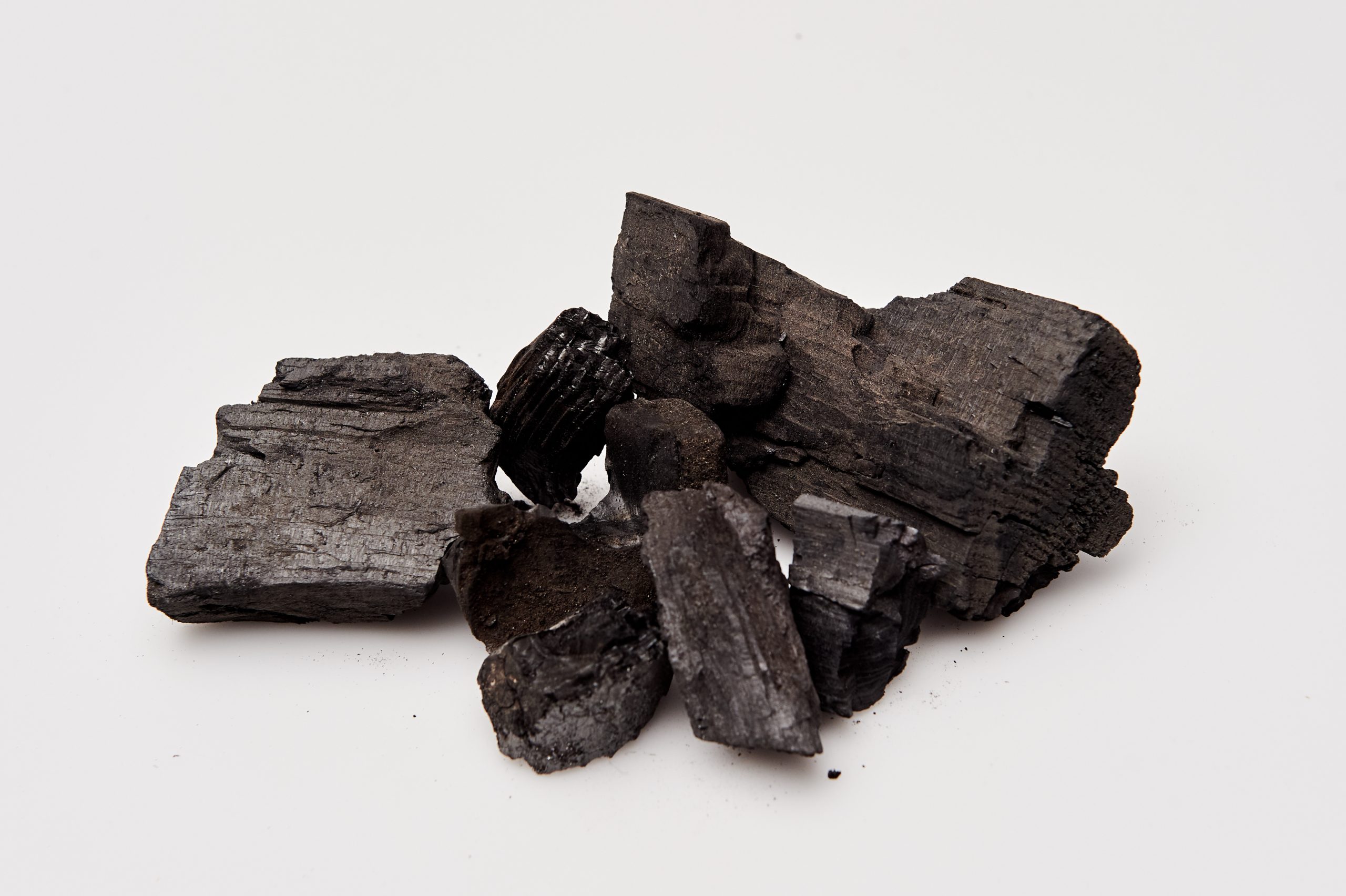
The cargo of charcoal on board the ill-fated boat is a reminder of the significant role this material plays in the daily lives of many people in the region. Charcoal, a lightweight black carbon residue produced by strongly heating wood or other plant materials in minimal oxygen, is a common fuel source for cooking and other purposes. The traditional process of charcoal production, which involves heating the material in a charcoal kiln or closed retort, has been used for centuries, with the early history of wood charcoal production dating back to ancient times. The abundance of wood in various regions has made charcoal a readily available and accessible energy source.
Modern charcoal briquettes, often used for outdoor cooking, may contain additional ingredients such as coal, which can affect their composition and properties. However, the basic principle of charcoal production remains the same, involving the removal of water and volatile constituents from the starting material. The fact that charcoal was being transported on the boat that capsized highlights the ongoing demand for this energy source, particularly in areas where access to other forms of energy may be limited. As the world continues to seek ways to promote energy security and reduce costs, the use of charcoal and other traditional energy sources remains a reality for many communities.
The incident on Lake Victoria also underscores the importance of safety and responsible practices in the transportation of goods, particularly when it comes to hazardous or bulky cargo like charcoal. The loss of life and the search for missing individuals are a stark reminder of the risks involved in such activities. As the search and rescue operations continue, it is essential to acknowledge the bravery and dedication of the emergency responders and volunteers who are working tirelessly to locate those still missing. The rescue of nine people is a testament to their efforts, and it is hoped that the search for the remaining missing individuals will be successful.
Looking ahead, the focus will be on supporting the families of the victims and the survivors of the tragedy. The incident will also likely prompt a review of safety procedures and regulations governing the transportation of goods on Lake Victoria. As the world seeks to promote a clean and sustainable environment, it is essential to recognize the importance of responsible practices in all aspects of human activity, including energy production and transportation. By prioritizing safety, sustainability, and environmental stewardship, we can work towards creating a better future for all, where such tragedies are less likely to occur.
As the situation on Lake Victoria continues to unfold, it is clear that the road to recovery and healing will be long and challenging. However, by working together and prioritizing the well-being of people and the planet, we can create a more sustainable and equitable future. The use of renewable energy sources, such as solar and wind power, can help reduce our reliance on traditional energy sources like charcoal, promoting energy security and cost savings. By embracing a clean and sustainable approach to energy production, we can help protect the environment and ensure a brighter future for generations to come. As we look to the future, it is essential to remain committed to the principles of environmental stewardship and responsible practices, recognizing the inherent value of a clean planet and the importance of preserving it for its own sake.