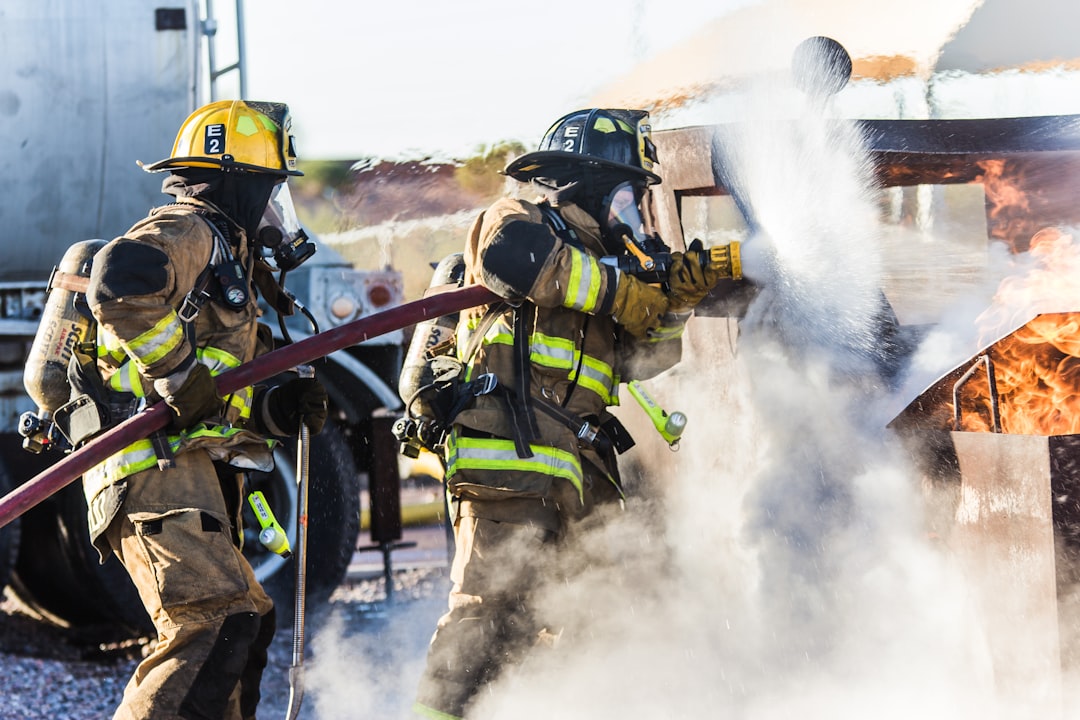
Firefighters have known for years that the job can kill them long after the flames are out. Benzene in smoke. Formaldehyde in burning furniture. Asbestos in old buildings. The body absorbs these things on every call. Then, years later, cancer shows up.
On April 15, 2023, the federal government finally began collecting the data to prove what firefighters have been saying. The National Firefighter Registry for Cancer opened its online questionnaire to firefighters across the United States. The U.S. National Institute for Occupational Safety and Health runs it. The goal is blunt: figure out why firefighters get cancer at higher rates, then figure out how to stop it.
The registry exists because of the Firefighter Cancer Registry Act of 2018. That law recognized that the country had no coordinated system to track cancer in the fire service. Individual departments kept records. Some states tried to count. But no one had a national picture. Without that picture, researchers could not identify the specific exposures that caused the most harm. Without that data, prevention efforts were guesswork.
That changes now.
The questionnaire asks about occupational history, lifestyle, and health. It is voluntary. It is online. It asks firefighters to describe what they have been exposed to, how long they have served, what kind of fires they fought. Every answer adds to a dataset that NIOSH will use to map cancer risk across the fire service.
The stakes are concrete. Firefighters are exposed to carcinogens on a routine basis. Benzene is released when plastics burn. Formaldehyde appears in smoke from wood and paper. The gear firefighters wear absorbs these substances. The skin absorbs them. The lungs inhale them. Studies have already shown elevated rates of certain cancers, including mesothelioma and leukemia, among firefighters. But the data has been fragmented. Different studies used different methods. Different states tracked different things. The registry aims to fix that fragmentation.
NIOSH has a track record in this kind of work. The agency has studied occupational hazards for decades. It knows how to design a registry. It knows how to protect privacy. It knows how to turn raw data into actionable recommendations. The registry is not a symbolic gesture. It is a research tool built to produce results.
But results take time. The registry just opened. It needs thousands of firefighters to participate. It needs years of data before patterns become clear. It needs sustained funding and political support. The Firefighter Cancer Registry Act of 2018 provided the legal foundation, but the work of registration, data collection, and analysis is just beginning.
For the fire service community, this is a long-awaited step. Firefighters have watched colleagues die of cancer for decades. They have seen the pattern. They have demanded action. The registry is the federal government’s answer to that demand. It is not a cure. It is not a vaccine. It is a database. But a database, properly used, can save lives.
NIOSH will use the information to develop targeted interventions. That could mean better protective gear. It could mean decontamination protocols after every fire. It could mean medical screening guidelines for firefighters at highest risk. The specifics depend on what the data shows.
What is at risk is simple: lives. Firefighters who are alive today may not develop cancer because of what this registry reveals. Firefighters who have not yet joined the service may never face the same risks their predecessors faced. That is the goal. That is why the registry matters.