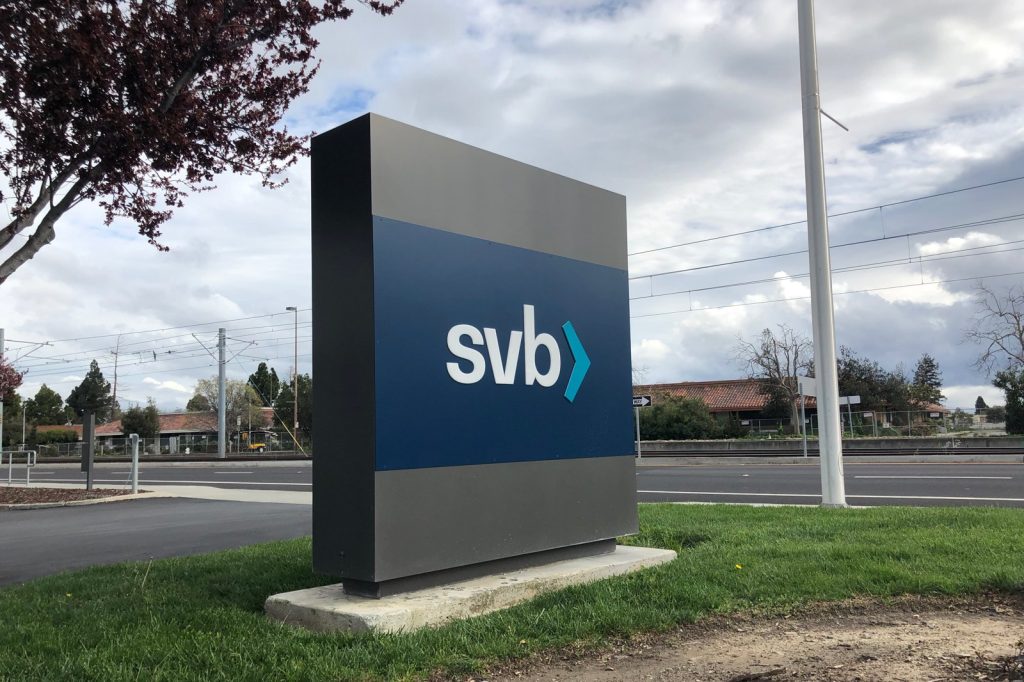
On March 17, 2023, SVB Financial Group, the holding company of Silicon Valley Bank, entered Chapter 11 bankruptcy protection. The filing came just days after federal regulators seized the bank’s assets, marking the most significant U.S. bank failure since Washington Mutual’s 2008 collapse.
The crisis unfolded rapidly. A disclosed $1.8 billion loss on a forced sale of Treasury and mortgage‑backed securities to Goldman Sachs triggered panic among depositors. Rising interest rates had depressed the market value of those securities, and the bank’s attempt to raise $2.25 billion through common equity and preferred convertible stock proved unsuccessful.
Within hours, customers withdrew $42 billion, a run that no institution can survive. Federal Deposit Insurance Corporation officials intervened, taking control of the bank on March 10, while California regulators shut its doors.
The Treasury Department and the Federal Reserve issued statements affirming the overall health of the banking system. Fed Chair Jerome Powell emphasized that the system remains resilient and that the central bank possesses the tools needed to address any fallout. Shares of major U.S. banks slipped between 1.5 % and 2 % in pre‑market trading on the Friday of the collapse, reflecting lingering contagion concerns.
President Donald Trump attributed the turmoil to poor management and decision‑making within the banks, while also describing the broader financial system as “very strong and very powerful.” SVB’s downfall raises broader questions about the impact of the Federal Reserve’s rapid interest‑rate hikes. Many banks had amassed large holdings of government bonds when yields were low; as rates rose, those assets fell in value, creating unrealized losses similar to SVB’s.
Whether other institutions will face comparable deposit flight remains uncertain. SVB Financial Group’s Chapter 11 filing is a restructuring move rather than a liquidation of the entire enterprise. The parent company still holds assets beyond the failed bank and is now seeking buyers under court supervision.
The stigma of a bankruptcy filing following a regulatory seizure is expected to make potential purchasers cautious. The collapse reverberates beyond the financial sector.
Silicon Valley Bank was a primary lender to technology firms and venture‑capital‑backed startups. With the FDIC guaranteeing deposits, many companies avoided outright loss, but the disruption to cash flow, payroll, and loan access has been severe. The swift, digital nature of the $42 billion outflow—executed in hours rather than days—highlights how modern banking can be vulnerable to rapid, technology‑driven runs. Regulators acted quickly, but the episode underscores the fragility of a system that appeared stable on paper.
Traditional safeguards—such as in‑person lines at branches and gradual withdrawal patterns—have given way to instant, click‑based transactions that can amplify fear. The episode serves as a stark reminder that the next challenge for the banking sector is not “if” another rapid run will occur, but “when.”