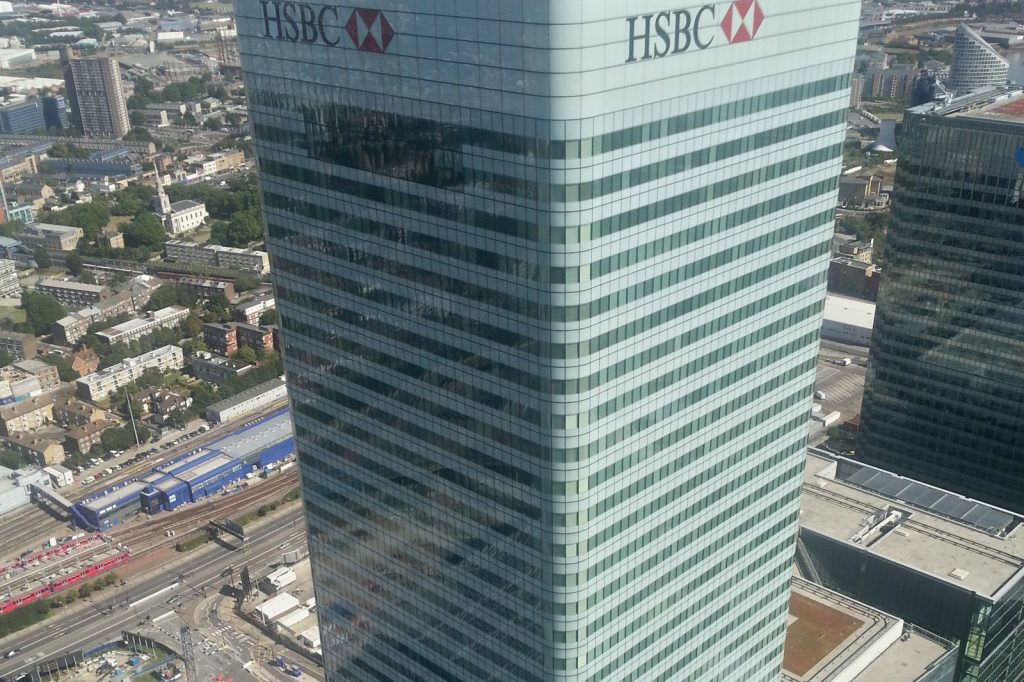
A decade after one of the most significant banking scandals in modern history, the fallout from HSBC’s Swiss Leaks continues to raise questions about transparency and enforcement in the financial sector. The scandal erupted in February 2015 when leaked information revealed that HSBC, through its Swiss subsidiary HSBC Private Bank (Suisse), had allegedly assisted wealthy clients in evading taxes by concealing assets in secret accounts.
The leak, described as “the biggest leak in Swiss banking history,” originated from French computer analyst Hervé Falciani. The data exposed accounts held by over 100,000 clients and 20,000 offshore companies at HSBC’s Geneva branch. According to historical records, the scheme was allegedly operated with the knowledge and encouragement of the British multinational bank.
In the wake of the revelations, the UK’s HM Revenue and Customs (HMRC) reached settlements with hundreds of named clients who had utilized the secret accounts for tax evasion. However, despite the scale of the scandal, limited criminal action was taken against those involved. The exact terms of the settlements and any penalties imposed on HSBC remain unspecified in available records.
HSBC has since invested heavily in compliance and risk management, arguing that it has taken significant steps to prevent similar scandals. The bank has also pointed to its cooperation with regulatory authorities and its commitment to transparency and accountability. Nonetheless, critics argue that the limited criminal consequences for those involved suggest that penalties were insufficient to deter future misconduct.
The scandal, which unfolded approximately 11 years ago, has been recognized as a pivotal moment in banking history. It highlighted systemic issues surrounding the use of offshore accounts and tax havens, as well as the willingness of financial institutions to facilitate tax evasion. While regulators have since taken steps to increase transparency, the underlying problems persist.
The settlements with HMRC resulted in the recovery of significant tax revenue, and HSBC faced substantial reputational damage and regulatory scrutiny. However, the fact that limited criminal action was taken has led some to argue that justice was not fully served. The scandal serves as a reminder of the need for greater vigilance and accountability in the banking sector, particularly regarding offshore accounts and tax havens.
As the historical record shows, the Swiss Leaks scandal has had a lasting impact on the banking industry and the wider community. While HSBC has made efforts to address the issues raised, questions remain about the effectiveness of these measures and the willingness of regulators to hold banks and their clients accountable for tax evasion. The lessons of the past, it appears, have not been fully learned, underscoring the ongoing need for reform and oversight in the financial system.