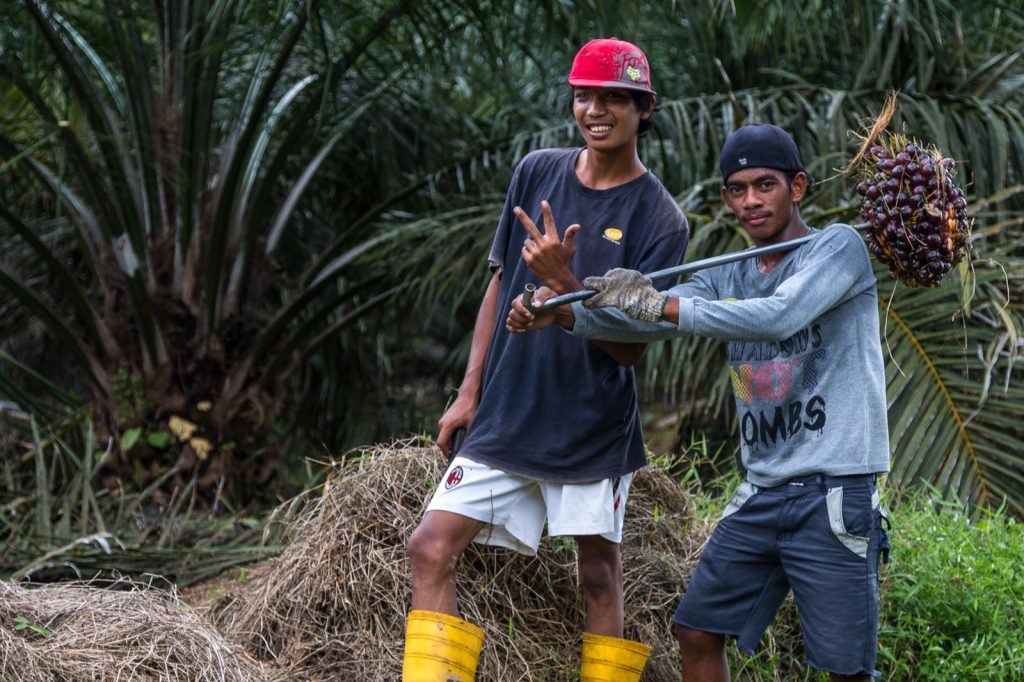
On November 22, 2022, Boustead Plantations Bhd stated that palm oil prices are expected to remain volatile for the rest of the year due to high stock levels in Malaysia and Indonesia. This projection comes after the company reported a fall in profitability in the most recent quarter. According to a filing with Bursa Malaysia, the group’s profitability is based on the crude palm oil (CPO) price direction and crop production.
The company’s net loss of RM352,000 for the third quarter that ended on September 30, 2022, was a significant decline from the net profit of RM95.56 million in the same quarter of the previous year. The plantations firm attributed the high production costs to higher minimum wages, as well as increased fertilizer and diesel prices, which will continue to be a burden for the rest of the year.
As noted by the company, “the group’s profitability is based on the crude palm oil (CPO) price direction and crop production.” This statement highlights the importance of monitoring CPO prices and crop production To predict the company’s future profitability. The conflict between Ukraine and Russia, climatic changes in Europe, China, India, and the US, as well as price increases in other crops, were also mentioned as potential factors that could cause a global crop shortage.
According to the Food and Agriculture Organization (FAO) of the United Nations, the ongoing conflict in Ukraine has already led to a significant increase in food prices globally. Boustead Plantations Bhd reported a net loss of RM352,000 for the third quarter that ended on September 30, 2022, compared to a net profit of RM95.56 million in the same quarter of the previous year.
The company’s revenue for the quarter was RM240.25 million, down from RM293.77 million in the corresponding period last year. The lower palm product prices had a negative impact on the prices of FFB, CPO, and palm kernel. However, in the nine months leading up to September 30, 2022, Boustead Plantations’ net profit was RM508.02 million on revenue of RM913.37 million, up from RM156.16 million in the same period of 2021 and RM708.49 million in revenue.
As stated by Tan Sri Mohd Anwar Mohd Nor, a member of the company’s board of directors, “the group is hopeful that its ongoing efficient cost management and crop enhancement measures will bring favorable results in 2022.” The deployment of Plantation Performance Improvement Programs has led to some improvements in fresh fruit bunch (FFB) yield in the Peninsular Malaysia and Sabah regions this year.
According to the Malaysian Palm Oil Board (MPOB), the country’s palm oil production is expected to increase in the coming years due to the implementation of new technologies and best practices in the industry. However, the high production costs and volatile CPO prices remain a challenge for the industry.
As noted by the International Monetary Fund (IMF), the increase in food prices globally is expected to continue in the coming years due to the ongoing conflict in Ukraine and climatic changes. The volatility in palm oil prices is not only affecting the Malaysian market but also has global implications. The increase in food prices globally is expected to have a significant impact on the global economy.
According to the World Bank, the increase in food prices is expected to push millions of people into poverty. The Chinese government’s efforts to increase its palm oil imports from Malaysia and Indonesia have also been affected by the volatile CPO prices.
As stated by the Chinese Ministry of Commerce, “China will continue to monitor the situation and adjust its import policies accordingly.” The US Department of Agriculture (USDA) has also noted that the volatility in palm oil prices is expected to continue in the coming years due to the ongoing conflict in Ukraine and climatic changes. The volatility in palm oil prices is expected to continue for the rest of the year due to high stock levels in Malaysia and Indonesia.
The company’s net loss for the third quarter was a significant decline from the same quarter of the previous year. However, the company is hopeful that its ongoing efficient cost management and crop enhancement measures will bring favorable results in 2022. The conflict between Ukraine and Russia, climatic changes, and price increases in other crops are potential factors that could cause a global crop shortage.
The increase in food prices globally is expected to continue in the coming years due to the ongoing conflict in Ukraine and climatic changes, and it is essential for companies like Boustead Plantations Bhd to monitor the situation closely and adjust their strategies accordingly.