A California Station Owner Faces Maximum Prison Time for Massive Biodiesel Fraud
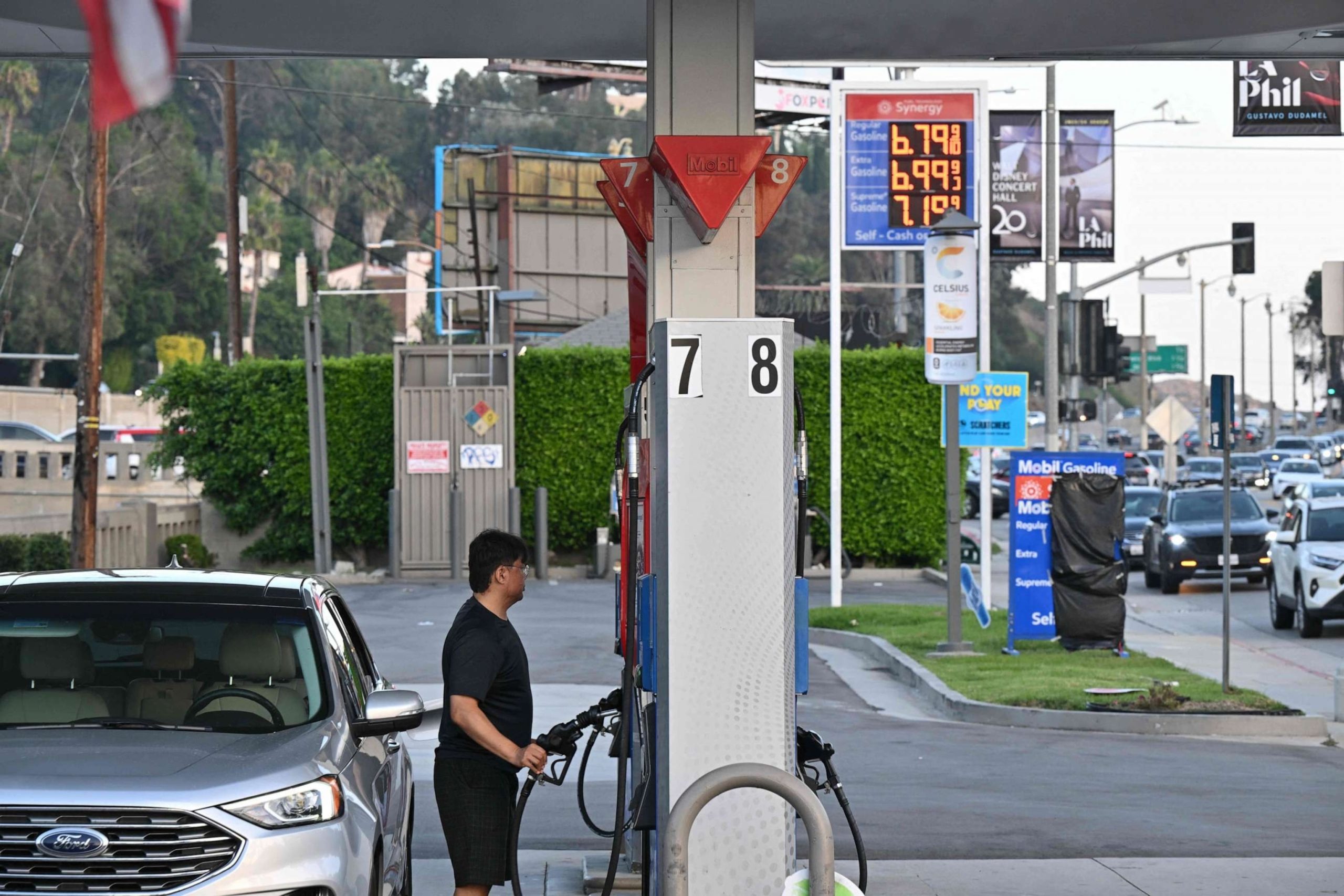
Lev Dermen, the proprietor of a gas station in California, was found guilty on all ten felony counts related to a fraudulent scheme involving government funds. The conviction occurred on March 20, 2020, in Utah federal court. Dermen allegedly conspired with polygamists from Utah to steal approximately $500 million from the U.S. Department of Energy by falsely claiming they produced renewable fuel when they did not. He now faces a potential sentence of up to 180 years in prison for crimes including conspiracy, money laundering, and mail fraud. The prosecution revealed that the defendants used the illicit proceeds to purchase luxury homes and high-end sports cars while deceiving federal regulators about their manufacturing capabilities between 2010 and 2016.
Deception Within a Polygamous Business Structure
The core of the deception relied on the involvement of Jacob Kingston and his brother, who operated a business named Washakie Renewable Energy based in Utah. The defendants exploited a federal incentive program designed to promote clean energy. Under this initiative, the government paid up to one dollar for every gallon of biodiesel produced by qualifying entities. Dermen assisted the Kingstons in applying for these grants and tax credits. The scheme required the participants to manufacture their own biofuels to qualify for the payments. However, contrary to their public assertions that Washakie Renewable Energy was the largest producer of clean-burning and sustainable biodiesel in Utah, the company had no such production capacity. Instead, they purchased second-hand biofuels from international sources, including India and Panama. When federal auditors demanded proof of domestic production, the defendants fabricated records to show that fuel was being manufactured within their facilities. This elaborate ruse allowed them to claim tax credits for gallons of fuel that never existed in a legitimate production pipeline.
Greed Drives the Scheme to Collapse
The financial rewards from the fraud were substantial and fueled an extravagant lifestyle for the perpetrators. The illicit funds generated by the fake production claims were used to buy luxury real estate and expensive vehicles. The scale of the theft was immense, reaching nearly half a billion dollars over a six-year period. John Huber, the U.S. Attorney for the District of Utah, addressed the motivations behind the crime during the proceedings. “What brought them down as with many fraudsters was their outsized greed…The fraud and the greed was out of control,” Huber stated. The prosecution argued that the defendants prioritized personal enrichment over federal law and environmental integrity. The scheme collapsed under the weight of its own magnitude when federal investigators uncovered discrepancies in the fuel production logs and supply chain records. The involvement of a polygamous group added a layer of complexity to the investigation, but the financial trail was clear enough for prosecutors to build a robust case against Dermen and his co-conspirators.
Legal Consequences and Testimony from Accomplices
The legal outcome for Dermen was severe, with the jury returning a verdict of guilty on every single charge. This result came after a trial where Jacob Kingston played a important role in securing the conviction. Last year, before Dermen faced his own sentencing phase, Kingston and three other family members pleaded guilty to their involvement in the scheme. Crucially, Kingston chose to testify against Dermen during the trial. His testimony provided key evidence regarding the internal operations of the fraud ring and confirmed that the fuel claims were entirely fabricated. The decision by Kingston to turn state’s witness highlighted the deep divisions within the criminal organization. Without such testimony, the government might have struggled to prove the extent of the conspiracy beyond a reasonable doubt. Dermen s lawyer attempted to challenge the verdict by asking for a mistrial, citing concerns that jurors had stayed away from court due to social distancing measures related to the coronavirus pandemic. The judge rejected this request, and the jury proceeded with their deliberations despite the logistical challenges posed by the health crisis.
Regulatory Impact and Future Prosecutions
The conviction of Dermen marks a significant victory for federal regulators seeking to protect taxpayer money and ensure the integrity of renewable energy programs. The case is a stark warning to other businesses attempting to game government incentives through false claims. Prosecutors emphasized that the Department of Energy would continue to scrutinize applications for renewable fuel tax credits more closely in the future. The exposure of Washakie Renewable Energy also raised questions about the verification processes used by federal agencies to validate biofuel production. While the immediate focus remains on sentencing Dermen, the fallout from this case could lead to broader reforms in how the government audits and monitors clean energy projects. The involvement of international suppliers in the fraud ring suggests that cross-border trade in biofuels may require enhanced oversight to prevent similar schemes. As the legal system moves toward sentencing, the community and federal authorities will be watching closely to ensure that justice is fully served for this massive theft of public funds.